
What Our Customers Are Saying
Water Flow Switch Explained: How It Works and Common Faults
21
Oct
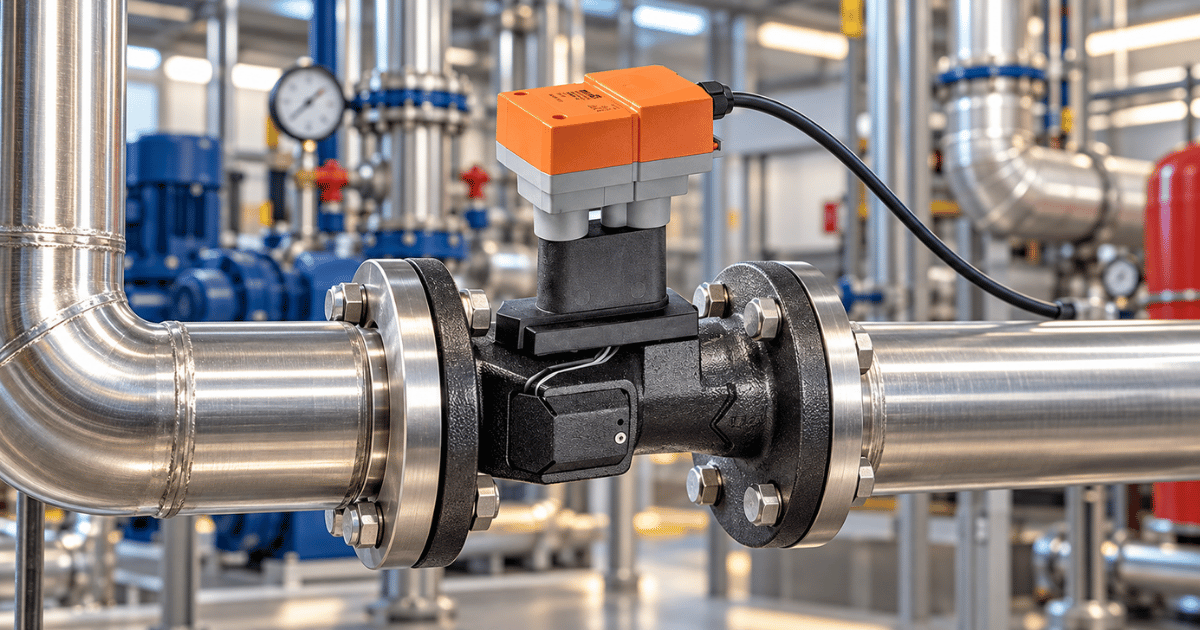
A flow switch is designed to detect if there is any flow through the pipe and give an indication based on that. It is normally used to prevent the operation of the pump or the boiler without proper flow. Problems are likely to be due to either faulty no flow detection or being jammed.
What Is a Water Flow Switch
A water flow switch sits inline or alongside a pipe and detects whether fluid is moving through it, changing state once flow crosses a set threshold. This gives the BMS or a safety interlock a direct confirmation that flow is actually present, rather than assuming it based on a pump simply being commanded to run.

How a Water Flow Switch Works
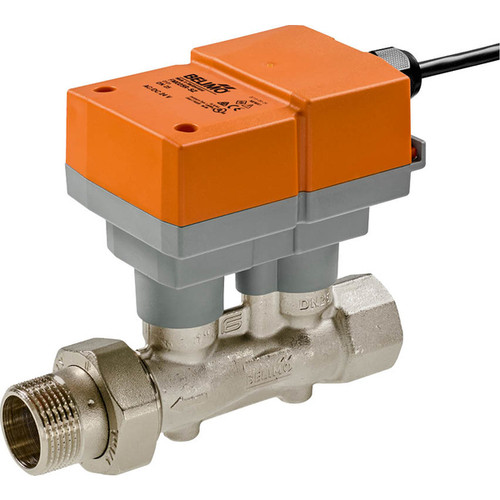
A paddle type switch uses a small paddle inserted into the flow, which moves as fluid passes and trips a contact once flow is confirmed. A differential pressure type switch instead measures the pressure difference created by flow across a fixed restriction, working on a similar principle to the differential pressure switches covered in our dedicated guide.
Common Applications
Pump proving confirms a pump has actually started and is moving fluid, rather than simply assuming success because a start command was issued. Boiler safety interlocks use a flow switch to prevent the boiler firing without adequate flow through it, a critical safety function. Chiller flow proving works on the same principle, protecting the chiller from operating without sufficient flow across its evaporator.
Common Faults and Fixes
A switch stuck in one position, often caused by debris caught in a paddle type switch, gives a false reading regardless of actual flow and usually needs the switch removed and cleaned or replaced. An incorrect set point causing nuisance trips is resolved by adjusting the switch to match the system's actual normal flow rate, rather than a generic default setting. A wiring fault giving a false no flow signal should be checked with a straightforward continuity test before assuming the switch itself has failed.
Choosing a Replacement Flow Switch
Match the switch to the pipe size, the expected flow rate range, and the connection type already installed, rather than assuming any flow switch of a similar size will be compatible.
Frequently Asked Questions
What triggers a water flow switch fault?
The most common causes are debris fouling a paddle type switch, an incorrectly set trigger point, or a wiring fault, each producing a different pattern of false signal.
What distinguishes a paddle from a differential pressure flow switch?
While a paddle flow switch works on the principle of mechanical detection of flow through the use of a paddle inside the pipe, a differential pressure flow switch calculates flow from the pressure differential across a restriction.
What typically causes a flow switch to trip unnecessarily?
An incorrectly set trigger point relative to the system's normal flow rate is the most common cause, followed by debris affecting a paddle type switch's movement.
Where a Flow Switch Isn't the Right Fit
Not every flow proving application calls for a simple on or off switch. Where a system needs continuous flow rate data rather than a single trip point, an ultrasonic flow sensor is the better choice, giving a live reading rather than just a pass or fail signal. Belimo's range covers this application with automatic glycol compensation and PN16 ratings, suited to heating and cooling circuits where accurate drift free monitoring matters. Shop Belimo flow sensors at iACS Store.
Shop water flow switches for pumps and boilers at iACS Store.
Comment(s)
Recent Posts
-
Water Flow Switch Explained: How It Works and Common Faults
October 21, 2026
-
What Is a DDC Controller? Direct Digital Control Explained
 October 20, 2026
-
BACnet versus Modbus versus KNX: Choosing the Right BMS Protocol
 October 19, 2026
-
Variable Frequency Drives Explained: How VFDs Control Pumps and Fans
 October 18, 2026
-
EC Fans versus AC Fans Explained: Which Is Right for Your HVAC System
 October 17, 2026