
What Our Customers Are Saying
Variable Frequency Drives Explained: How VFDs Control Pumps and Fans
18
Oct
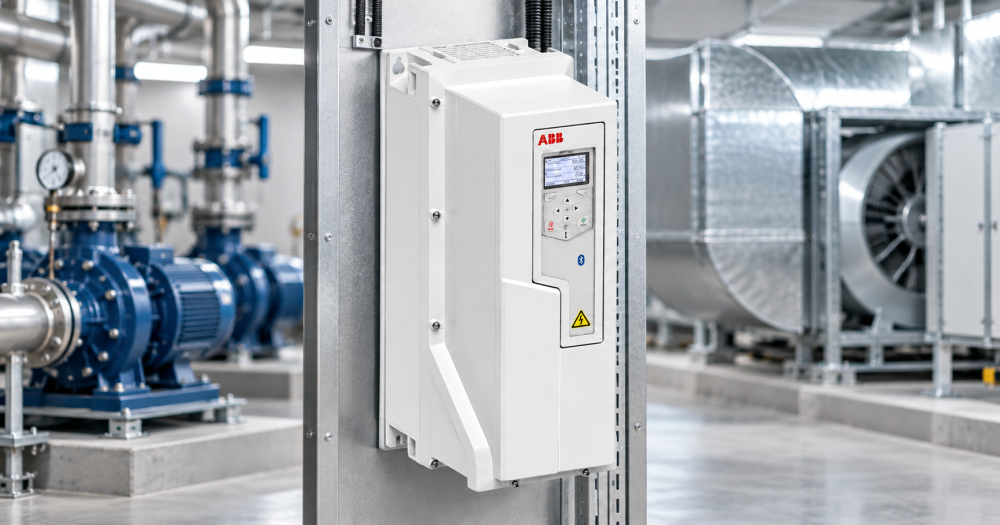
A variable frequency drive, or VFD, adjusts a motor's speed by varying the frequency of its electrical supply, rather than running the motor at a single fixed speed. In HVAC, VFDs are most commonly used on pumps and fans to save energy and reduce mechanical wear compared with fixed speed operation.
What Is a Variable Frequency Drive
A VFD sits between the electrical supply and the motor, converting the incoming supply to a variable frequency output that controls motor speed directly. This allows a pump or fan to run at exactly the speed needed for current demand, rather than running at full speed continuously and throttling output mechanically.
Why Use a VFD in HVAC
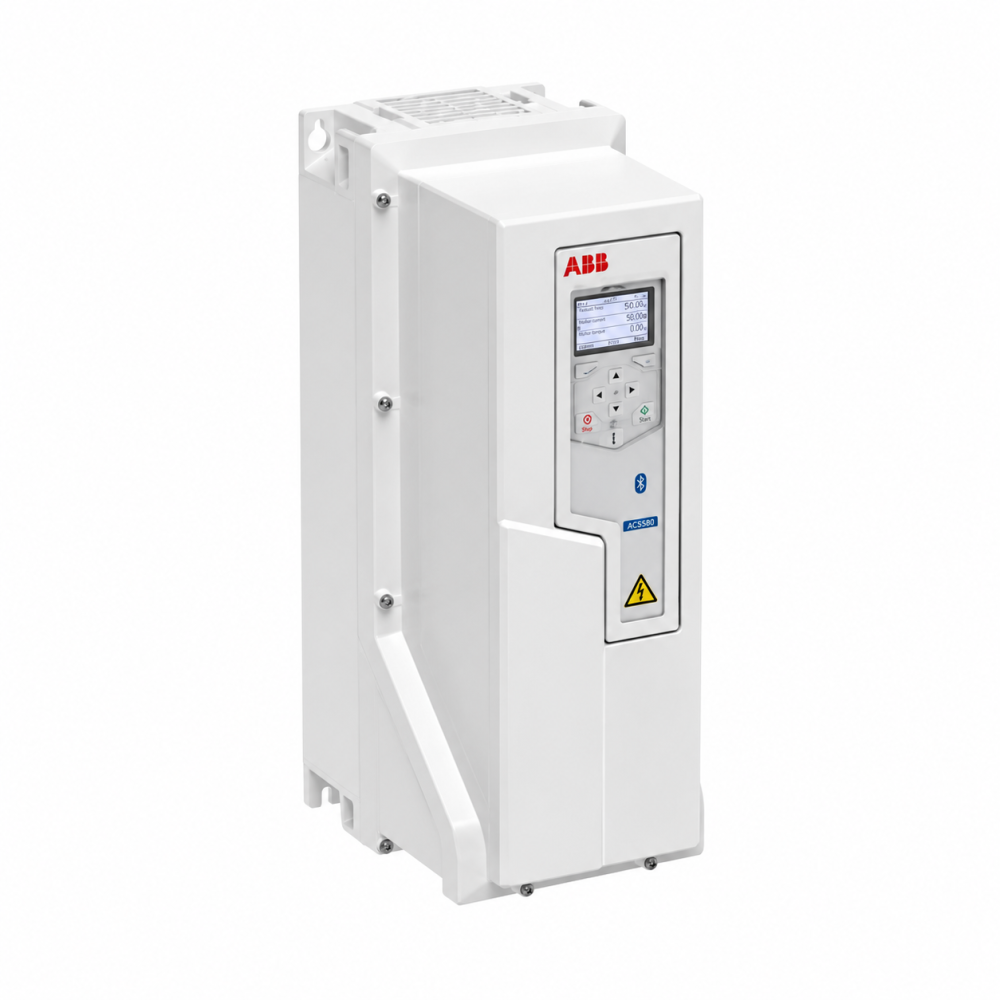
Energy savings are the primary driver, since pump and fan power consumption falls sharply as speed reduces, meaning even a modest reduction in required output delivers a significant energy saving. Reduced mechanical wear follows from soft starting, avoiding the mechanical shock of a motor starting at full speed instantly. Matching output to actual demand also improves comfort control, since the system is genuinely responding to load rather than cycling a fixed speed motor on and off.
How a VFD Connects to a BMS
The BMS typically sends a speed set point to the VFD, often via a 0 to 10 volt signal or a direct BACnet or Modbus connection, and receives feedback on actual running speed and any fault conditions, integrating fully into the control strategy covered in our BMS in HVAC guide.
VFDs on Pumps versus Fans
On pumps, VFDs are commonly used in duty and standby arrangements, running one pump at a time while a second remains ready as backup, with speed modulated against a pressure or flow signal. On fans, VFDs are similarly used to modulate airflow against demand, often working alongside the damper and airflow sensor arrangement found in a VAV system, covered in our VAV box guide.
What to Check Before Specifying a VFD
Ensure the motor is a variable frequency type because not all motors will work properly under the conditions provided by the variable frequency drive control system. Take into account harmonic filtration as the VFD system is capable of producing electrical harmonics affecting other devices powered from the same source. Verify the type of the enclosure for compatibility with the environment where it will be installed.
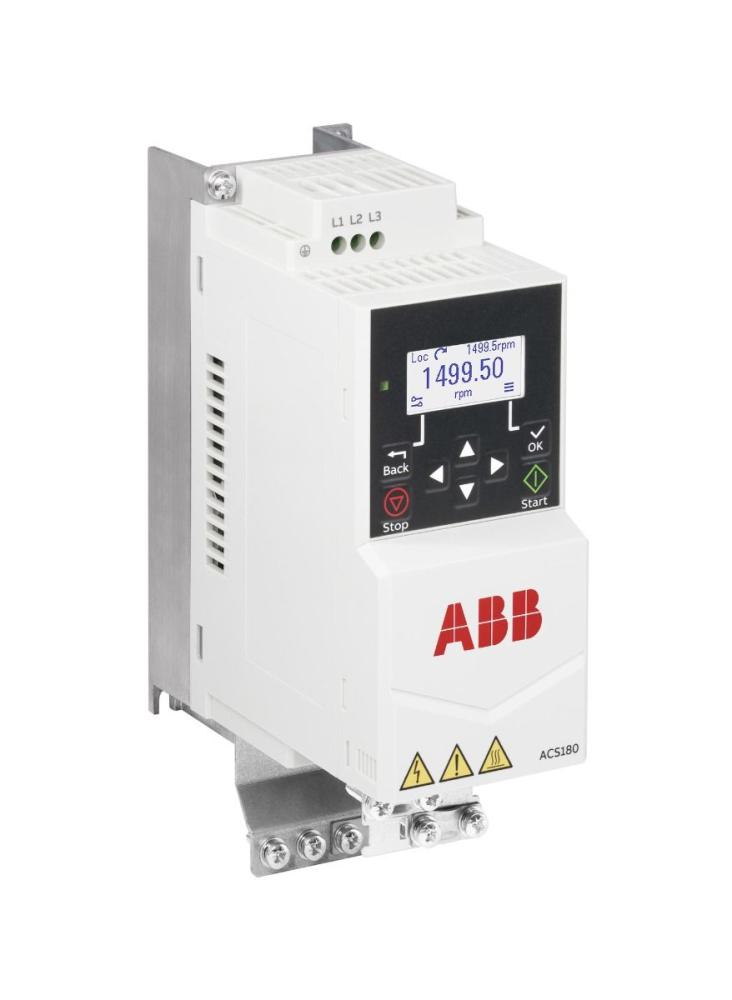
ABB VFD Range Guide
VFDs from ABB come in a large array of motor sizes and controls for HVAC pumps and fans applications, which are all available at iACS.
FAQs
What is the energy saving capability of a VFD on a pump or fan?
It varies depending on how the VFD is used but generally, a little change in the output requirement translates to large energy saving because energy consumption reduces drastically when the speed is reduced.
Can a VFD be retrofitted to an existing motor?
In many cases yes, provided the motor is rated for variable frequency operation, though this should be confirmed against the motor's specification before installation.
What is the difference between a VFD and a soft starter?
A soft starter only controls the motor's acceleration at start up before running it at full fixed speed, while a VFD continuously varies motor speed throughout normal operation.
ABB ACH580: The HVAC Drive Range
ABB's ACH580 is purpose built for HVAC pump and fan applications, covering 0.75 kW to 500 kW across IP21 and IP55 enclosures. It comes with native BACnet MS/TP and BACnet/IP built in, so it talks directly to a BMS without a gateway, along with a standard PID loop controller for closed loop pump and fan control and four external PID loops for dampers or valves. An energy efficiency counter and energy optimiser are built in as standard, giving live confirmation of the savings covered above. The full ACH580 range is available at iACS, from compact 2.2 kW units through to 250 kW and 500 kW drives for larger plant.
Browse ABB variable frequency drives at iACS Store.
Comment(s)
Recent Posts
-
Variable Frequency Drives Explained: How VFDs Control Pumps and Fans
 October 18, 2026
-
EC Fans versus AC Fans Explained: Which Is Right for Your HVAC System
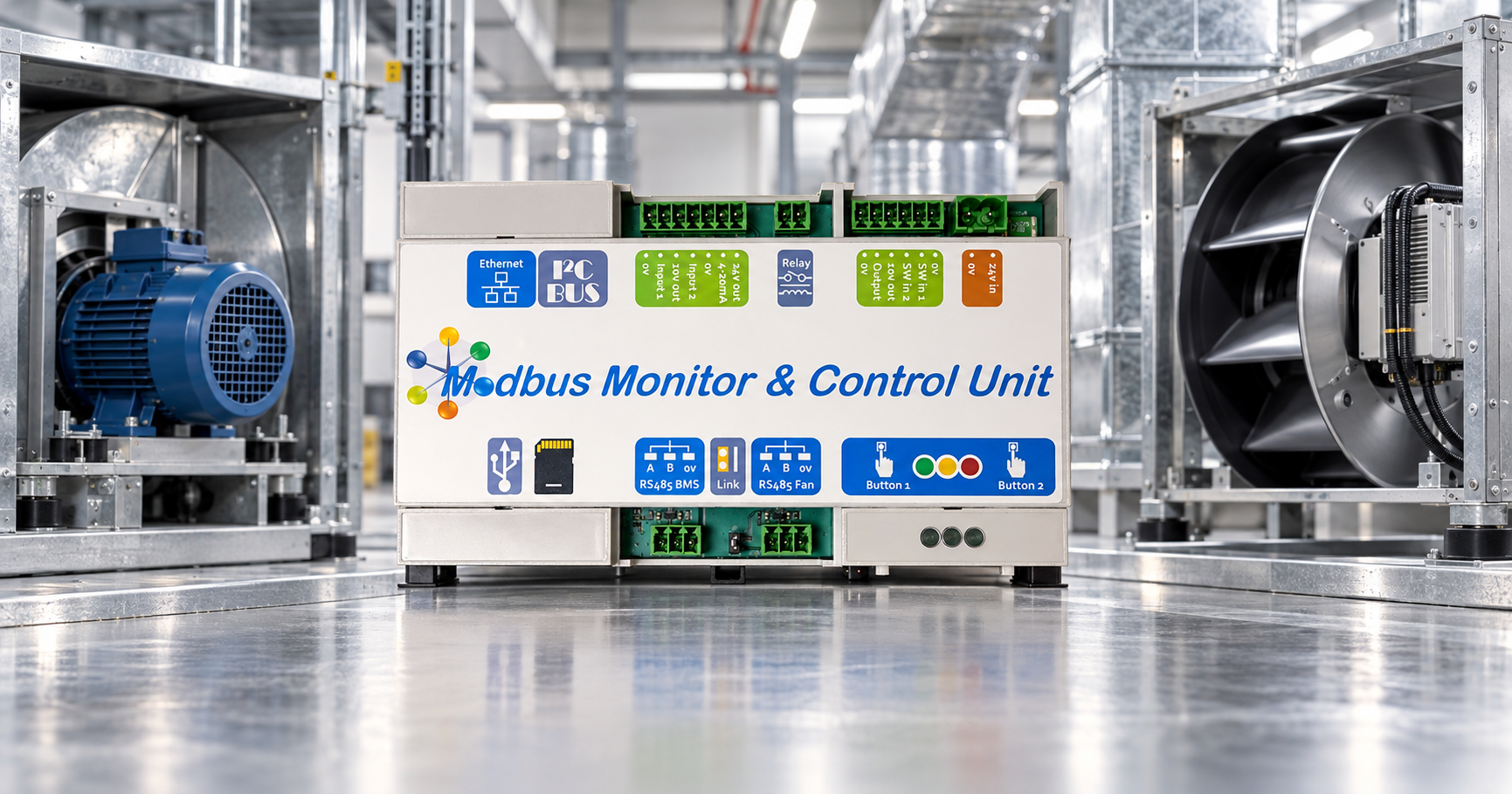 October 17, 2026
-
Steam Humidifier Explained: How HygroMatik Humidification Systems Work
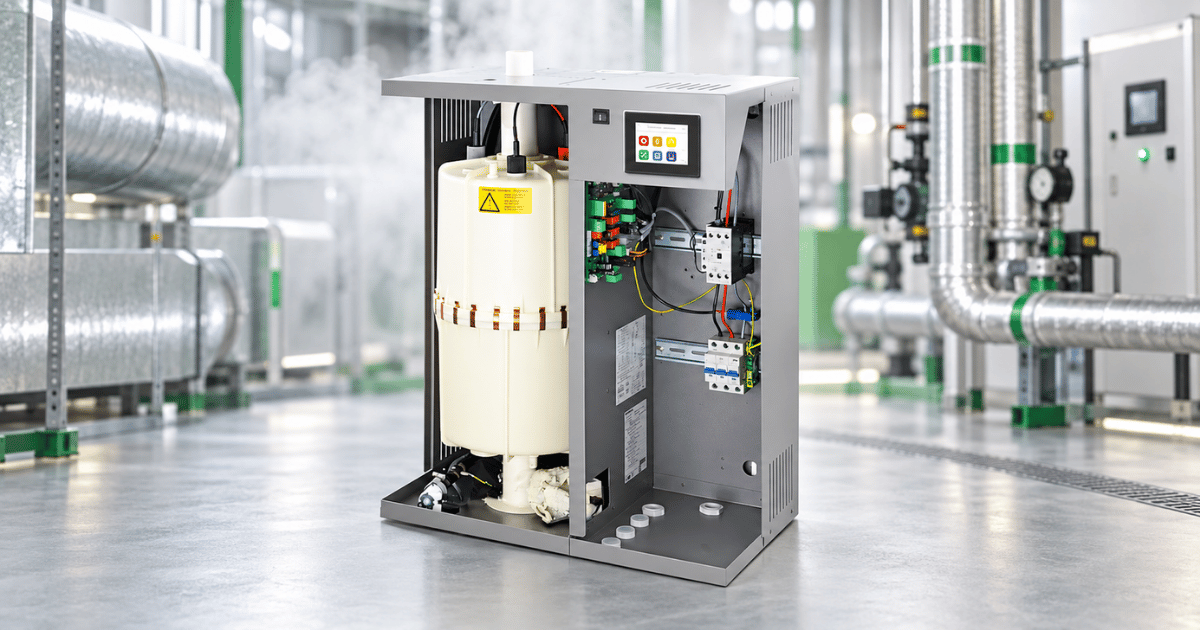 October 16, 2026
-
Carel Controller Fault Codes Explained: A Troubleshooting Guide
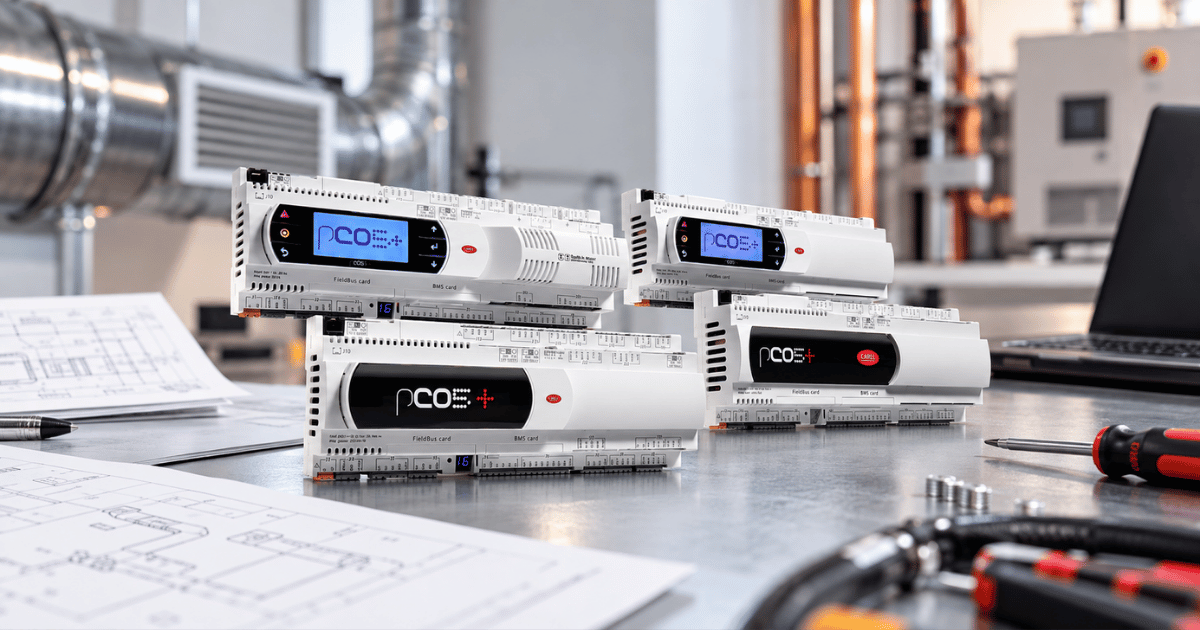 October 15, 2026
-
Damper Actuator Not Working? How to Diagnose and Fix Common Faults
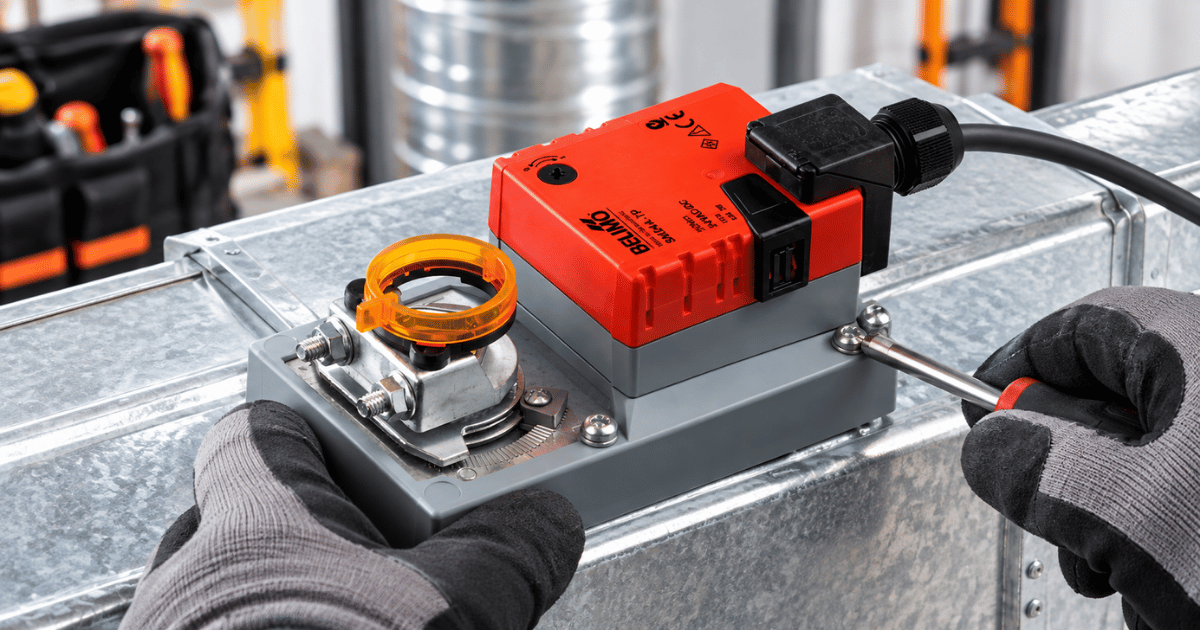 October 2, 2026