
What Our Customers Are Saying
BACnet versus Modbus versus KNX: Choosing the Right BMS Protocol
19
Oct
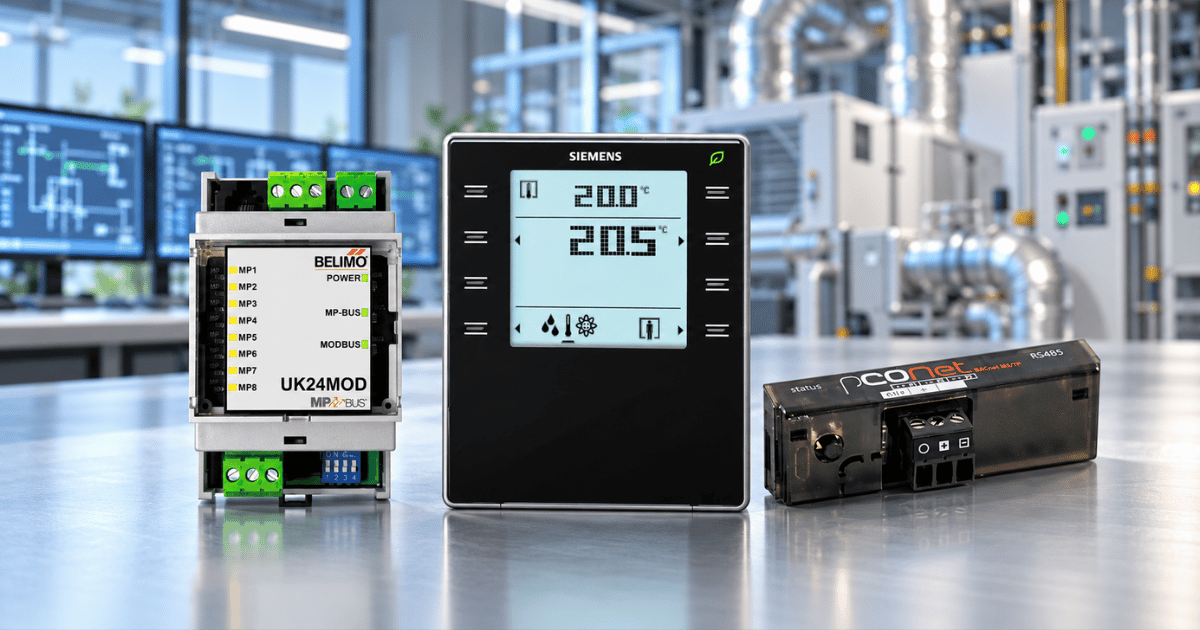
These protocols are BACnet, Modbus and KNX, and the selection of each one depends upon the size of the project and manufacturers of the various components. BACnet is suitable for almost all contemporary commercial BMS systems, while Modbus is commonly used in small and less expensive BMS systems. KNX is employed for lighting and room automation purposes.
What Is BACnet
BACnet is an open protocol that was developed particularly for building automation and is supported by all BMS vendors; therefore, it is the preferred protool on new commercial builds. The reason for its superiority is that it guarantees true interoperability among various controllers, sensors, and front-end software by different manufacturers.
What Is Modbus
Modbus is a legacy protocol that is less complex than BACnet and was designed for industrial environments. It is currently used on HVAC devices of lesser cost and complexity. While Modbus does not have as many data types and interoperability capabilities as BACnet, it is popular due to its simplicity and familiarity.
What Is KNX
KNX is used primarily for lighting, blinds and room level automation rather than core HVAC plant control, common in both commercial and residential settings where fine grained room control is the priority.
Comparison Table
Openness: BACnet is a fully open protocol with good cross-manufacturer support, Modbus is open and simple, and KNX is open but in their own ecosystem, which concentrates on building automation devices. Typical Applications: BACnet is ideal for HVAC and BMS plant, while Modbus is for small devices and retrofits, and KNX is good for Lighting and Room automation. Cost: Modbus devices cost is usually the lowest, BACnet devices are of medium cost, and KNX devices vary depending on their application. Manufacturer Support: BACnet has the most manufacturer support out of all HVAC control manufacturers, while Modbus has good support for small devices and KNX for lighting manufacturers.
Mixing Protocols in One Building
In a lot of cases, it will be the case that the building will be running BACnet at the core BMS level while there will be some Modbus devices, like a metering device, which will be connected through a gateway translating between the two different protocols.
Choosing a Protocol for a New or Retrofit Project
On a new build, BACnet is generally the safer long term choice given its wide manufacturer support and open standard. In a retrofit system, the current protocol used at the site generally becomes the deciding element, considering it is easier to install a few gateway devices than changing an operational system.
FAQs
Can BACnet and Modbus work on the same BMS?
Yes, through a process called translation by use of a gateway which will convert data from one protocol to another.
Which BMS protocol is most future proof?
BACnet is generally considered the most future proof choice for core BMS installations given its open standard and broad manufacturer support.
What does a protocol gateway do?
The function of the protocol gateway is to provide translation of data from one protocol to another such as the conversion of data between Modbus and BACnet.
Compatible Controls at iACS
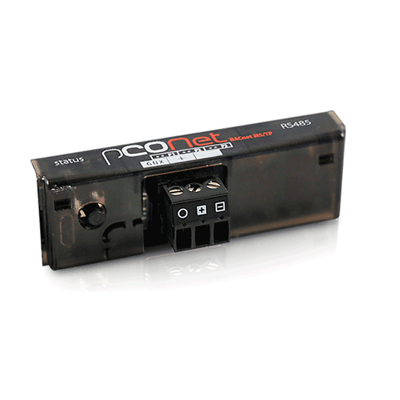
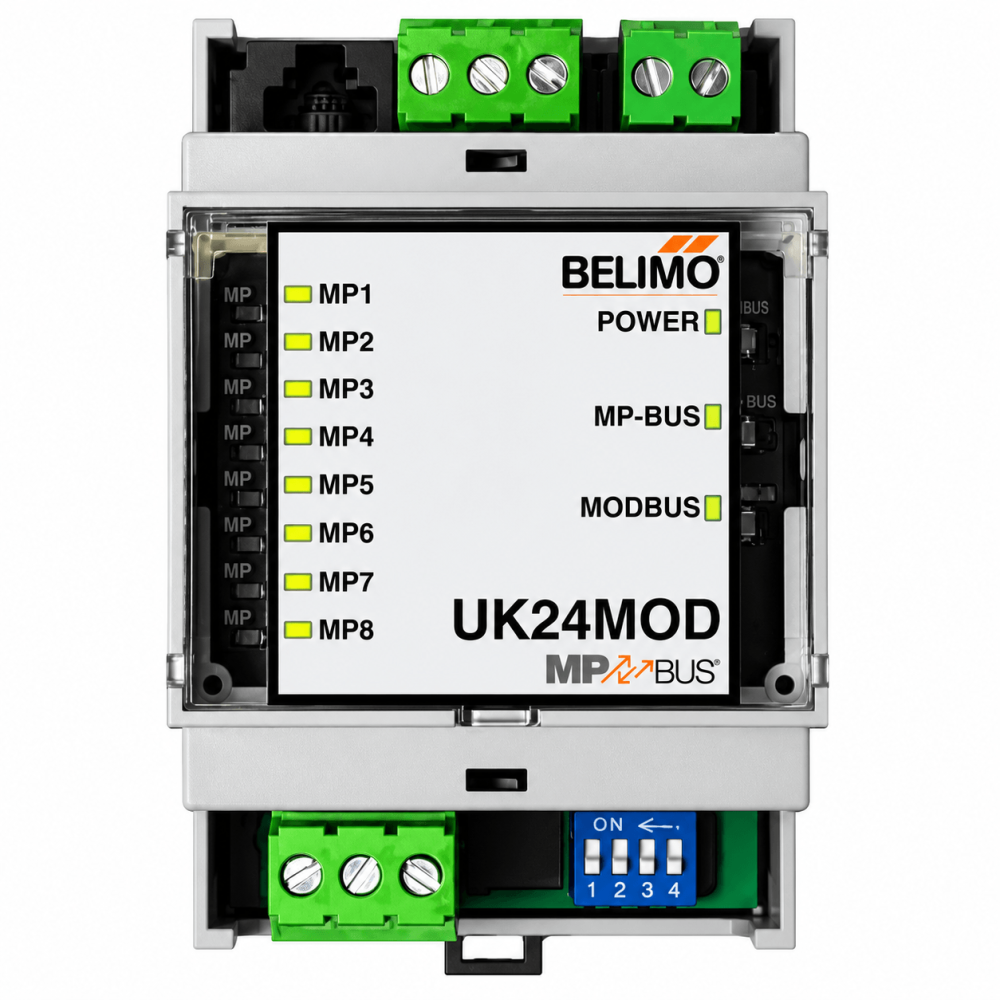
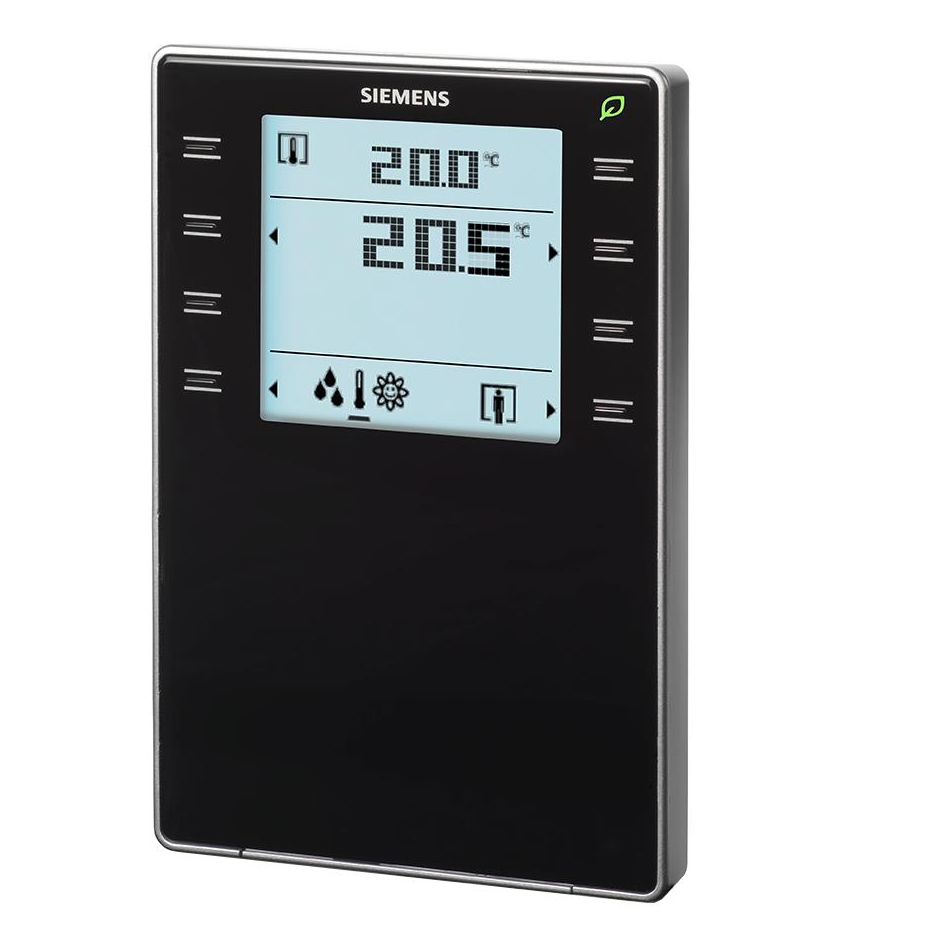
For BACnet integration, the Carel pCO controller range supports BACnet MS/TP and BACnet IP via the pCOnet and pCOWEB communication cards, and the Belimo UK24BAC gateway brings BACnet connectivity to MP-Bus actuators without native BACnet support. On the Modbus side, the Belimo UK24MOD gateway converts MP-Bus actuator data to Modbus RTU, useful when integrating smaller devices into a wider network. For KNX, the Siemens room controller and QMX3.P34 room operator unit both handle KNX bus communication for fan coil and room level control, alongside the GDB181.1E/KN VAV compact controller for KNX damper control.
Browse BACnet, Modbus and KNX compatible controls at iACS Store.
Comment(s)
Recent Posts
-
BACnet versus Modbus versus KNX: Choosing the Right BMS Protocol
October 19, 2026
-
Variable Frequency Drives Explained: How VFDs Control Pumps and Fans
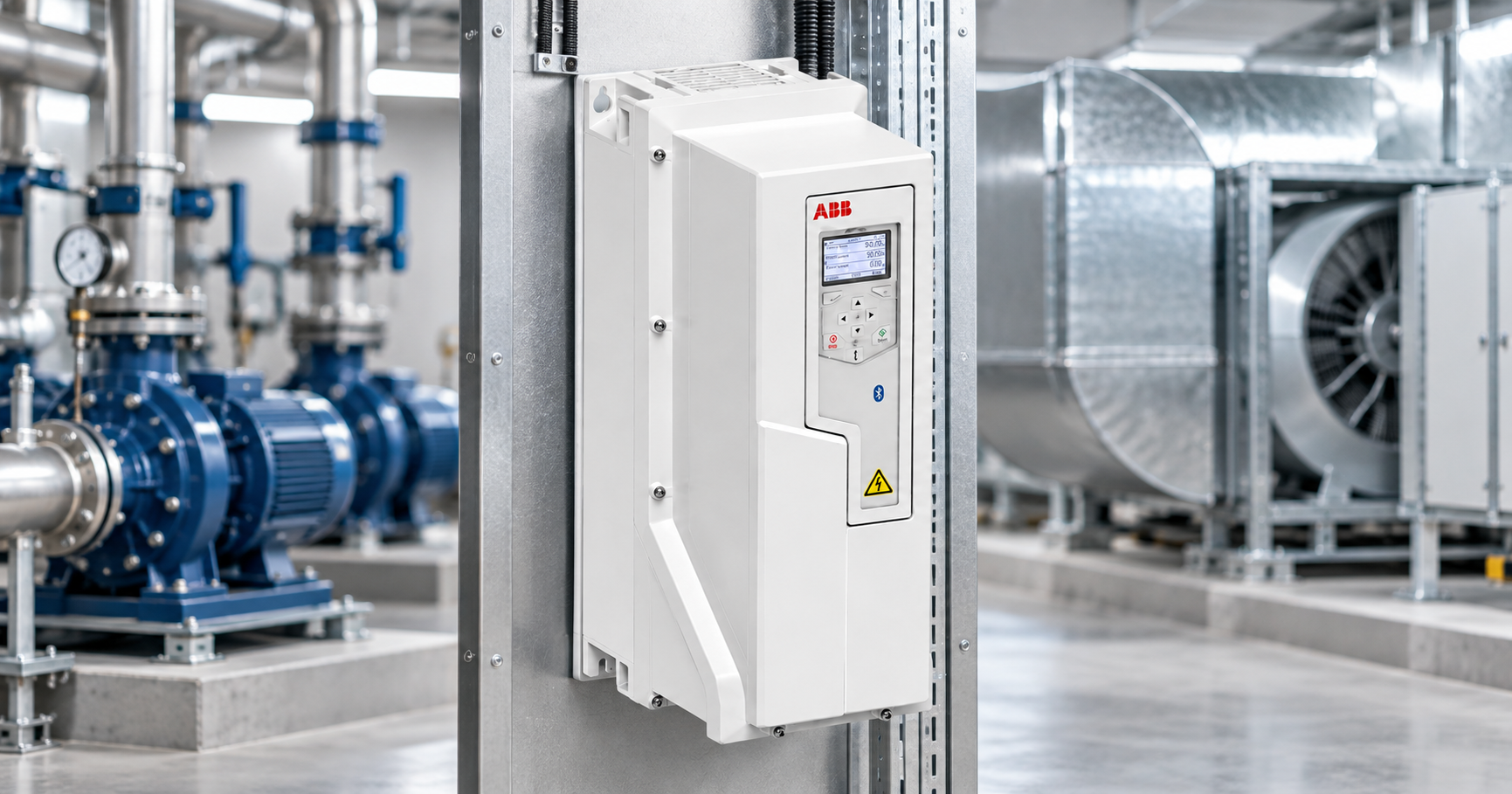 October 18, 2026
-
EC Fans versus AC Fans Explained: Which Is Right for Your HVAC System
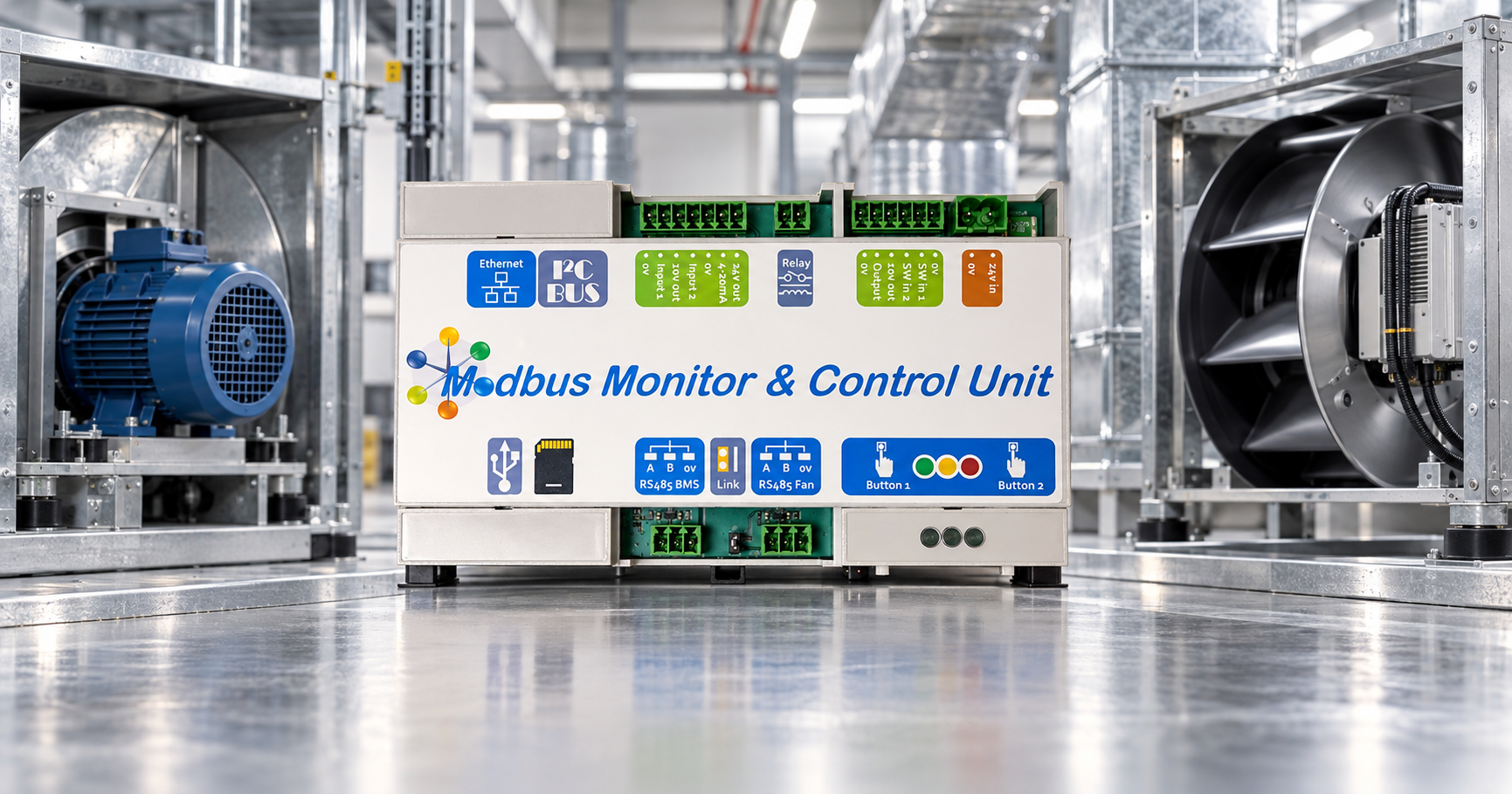 October 17, 2026
-
Steam Humidifier Explained: How HygroMatik Humidification Systems Work
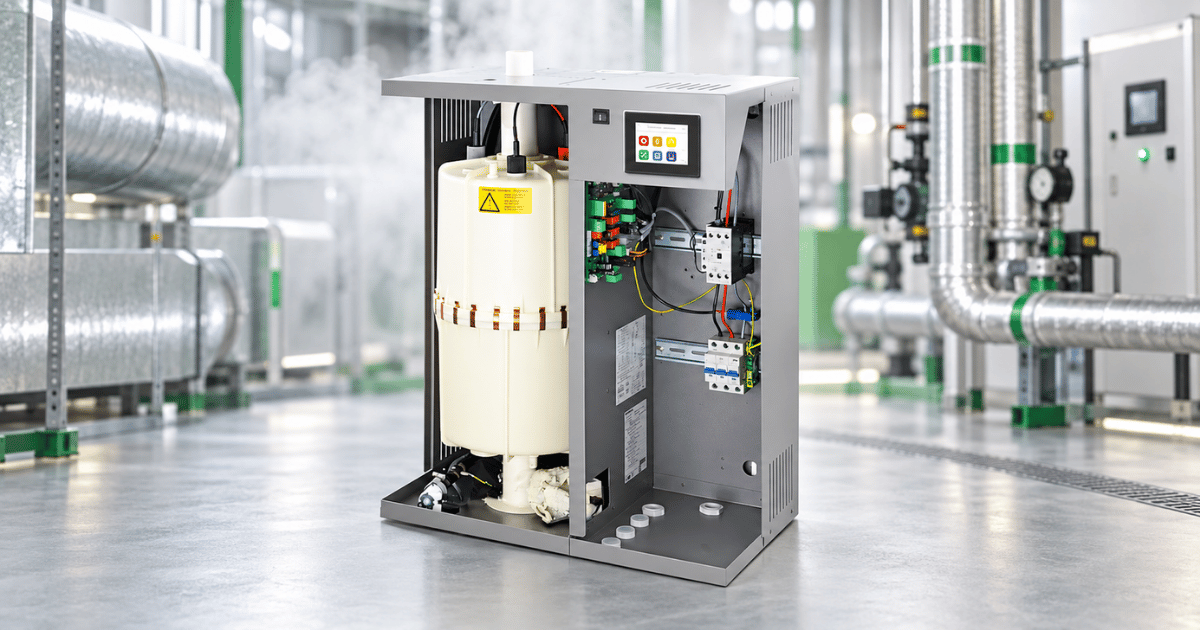 October 16, 2026
-
Carel Controller Fault Codes Explained: A Troubleshooting Guide
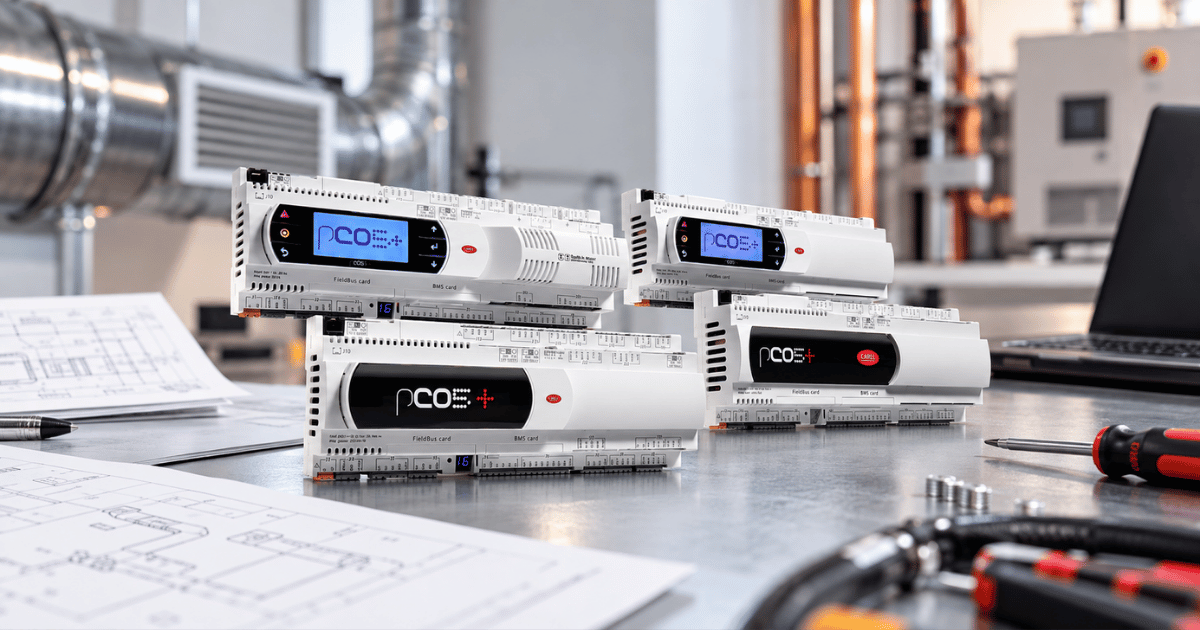 October 15, 2026