
What Our Customers Are Saying
What Is a DDC Controller? Direct Digital Control Explained
20
Oct
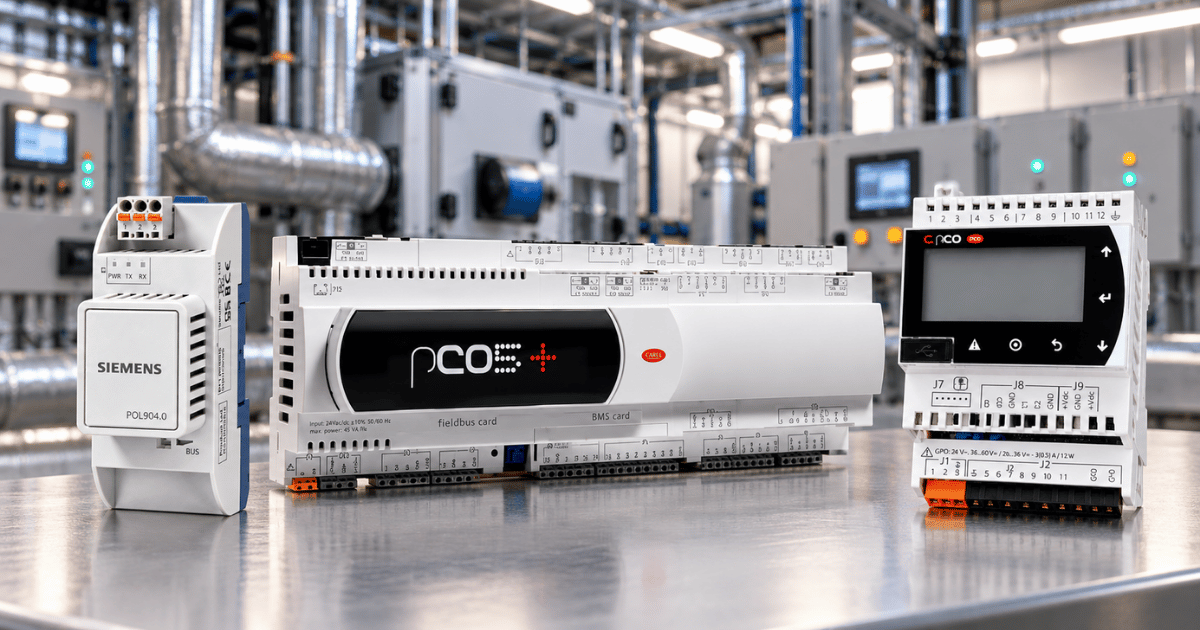
Table of Contents:
- What Is Direct Digital Control
- Difference Between the DDC Controller and Earlier Forms of Control
- Where DDC Controllers Are Used
- Inputs and Outputs on a Typical DDC Controller
- Choosing a DDC Controller
- Frequently Asked Questions
- Featured DDC Controllers at iACS
A DDC controller, short for direct digital control, is the device that reads sensor inputs, runs programmed control logic in software, and drives outputs to actuators and valves, replacing older pneumatic or electromechanical control methods. DDC controllers are the physical building blocks that make up a wider BMS.
What Is Direct Digital Control
Direct digital control refers to using a digital, programmable controller to read sensor data and make control decisions in software, rather than relying on a fixed mechanical or pneumatic linkage. This gives far greater flexibility, since the control logic can be adjusted through software rather than requiring physical changes to the equipment.
Difference Between the DDC Controller and Earlier Forms of Control
Pneumatic controls, used in some older buildings, involve mechanical manipulation of valves and dampers using compressed air pressure without any facility for data recording or remote control. The DDC controller on the other hand, uses sensor input in electronic form, utilizes logic programming including PID control, and actuates electronically controlled actuators.
Where DDC Controllers Are Used
DDC controllers sit at the heart of AHU control, FCU control, boiler plant sequencing and general zone control throughout a BMS installation, forming the layer described in our BMS overview and BMS in HVAC guides.
Inputs and Outputs on a Typical DDC Controller
Analogue inputs read variable signals such as temperature or pressure from sensors. Digital inputs read simple on or off signals, such as a proving switch. Analogue outputs drive modulating devices such as a variable position valve. Digital outputs drive simple on or off devices such as a pump start relay.
Choosing a DDC Controller
Point count needs to comfortably cover the number of inputs and outputs the application requires, with some spare capacity for future changes. Protocol support needs to match the network already in place or planned, as covered in our BACnet, Modbus and KNX guide. Programming software needs to be something the maintenance team can actually use and support long term, since a controller nobody on site can reprogram becomes a liability over time.
Frequently Asked Questions
What is the difference between a DDC controller and a BMS?
A DDC controller is an individual device running control logic for a specific piece of plant, while a BMS is the wider system that ties multiple DDC controllers together with networking and a central front end.
Can a DDC controller be programmed at the site level?
Yes, the programming and tuning of the DDC controller is done through specific software, either directly or through the network.
How long can a DDC controller last?
A well maintained DDC controller typically has a service life of 10 to 15 years, though manufacturer software and support lifecycles sometimes drive replacement earlier.
Featured DDC Controllers at iACS
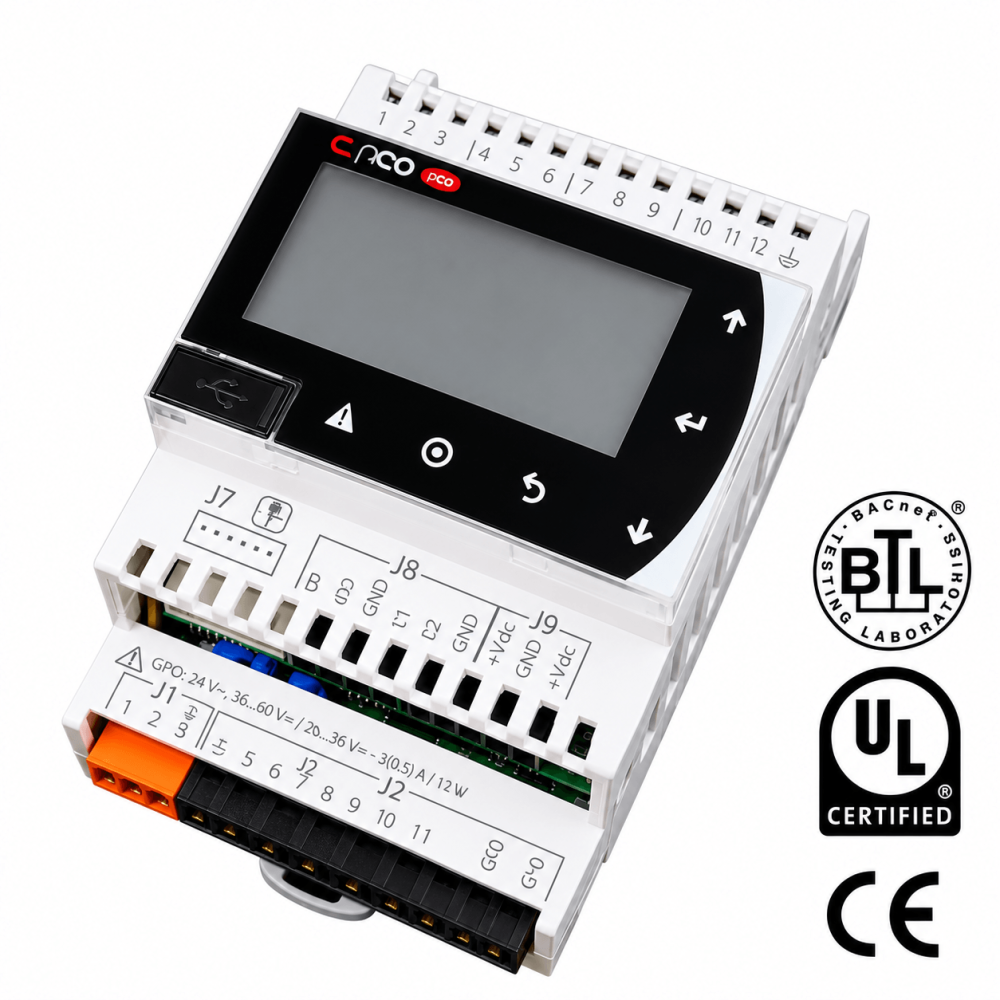
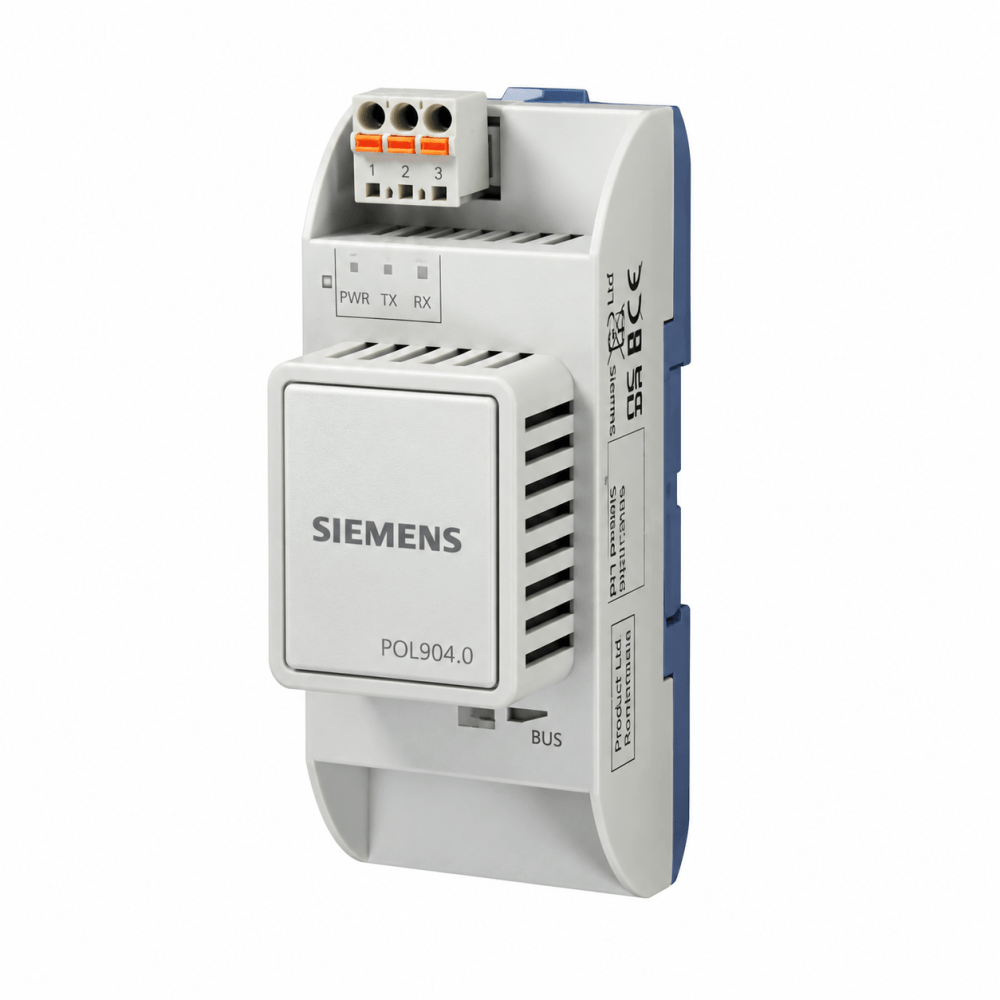
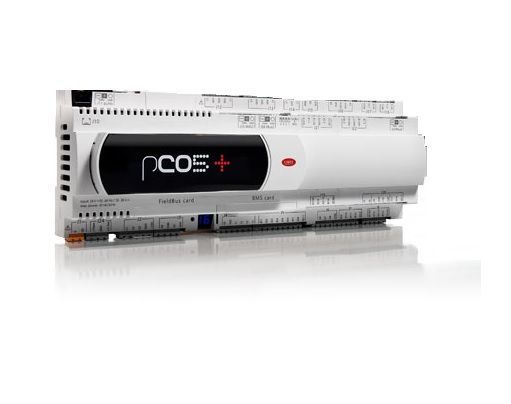
iACS stocks a wide range of DDC controllers to suit different plant sizes and protocols. The Carel pCO Sistema range covers everything from compact terminal unit control up to large AHU and plant sequencing applications, with PGD1 and PGDX display options for local operator access. For projects needing native BACnet, KNX or Modbus connectivity in one unit, the Siemens Climatix POL424.50 offers 21 I/O with RS485, PL-Link, SD card and USB, making it a strong fit for AHU and boiler plant control. Where a simpler room or terminal unit controller is needed, the Axiom AX-CNDR-HC3 provides 0 to 10V heating and cooling control with three fan speed relays on a 24Vac supply. Browse the full range of controllers, expansion modules and accessories at iACS Store.
Browse DDC controllers for AHUs, FCUs and boiler plant at iACS Store.
Comment(s)
Recent Posts
-
What Is a DDC Controller? Direct Digital Control Explained
October 20, 2026
-
BACnet versus Modbus versus KNX: Choosing the Right BMS Protocol
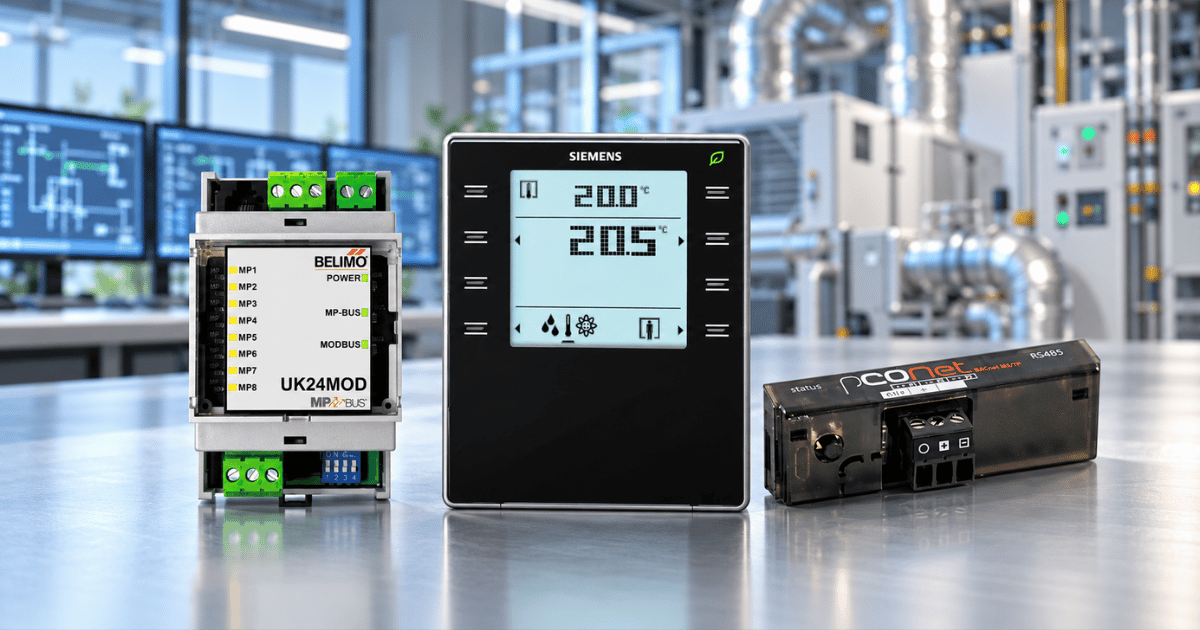 October 19, 2026
-
Variable Frequency Drives Explained: How VFDs Control Pumps and Fans
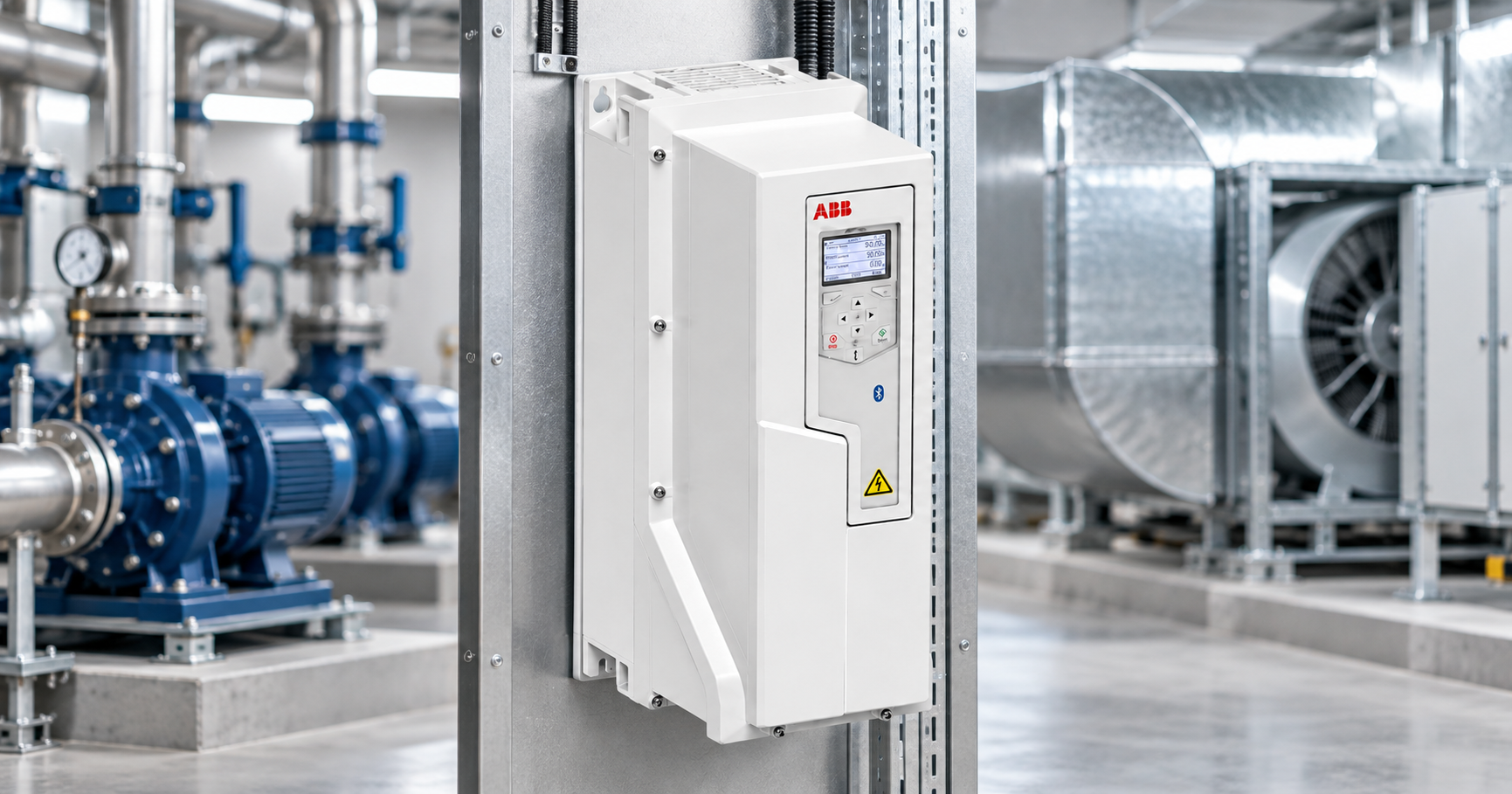 October 18, 2026
-
EC Fans versus AC Fans Explained: Which Is Right for Your HVAC System
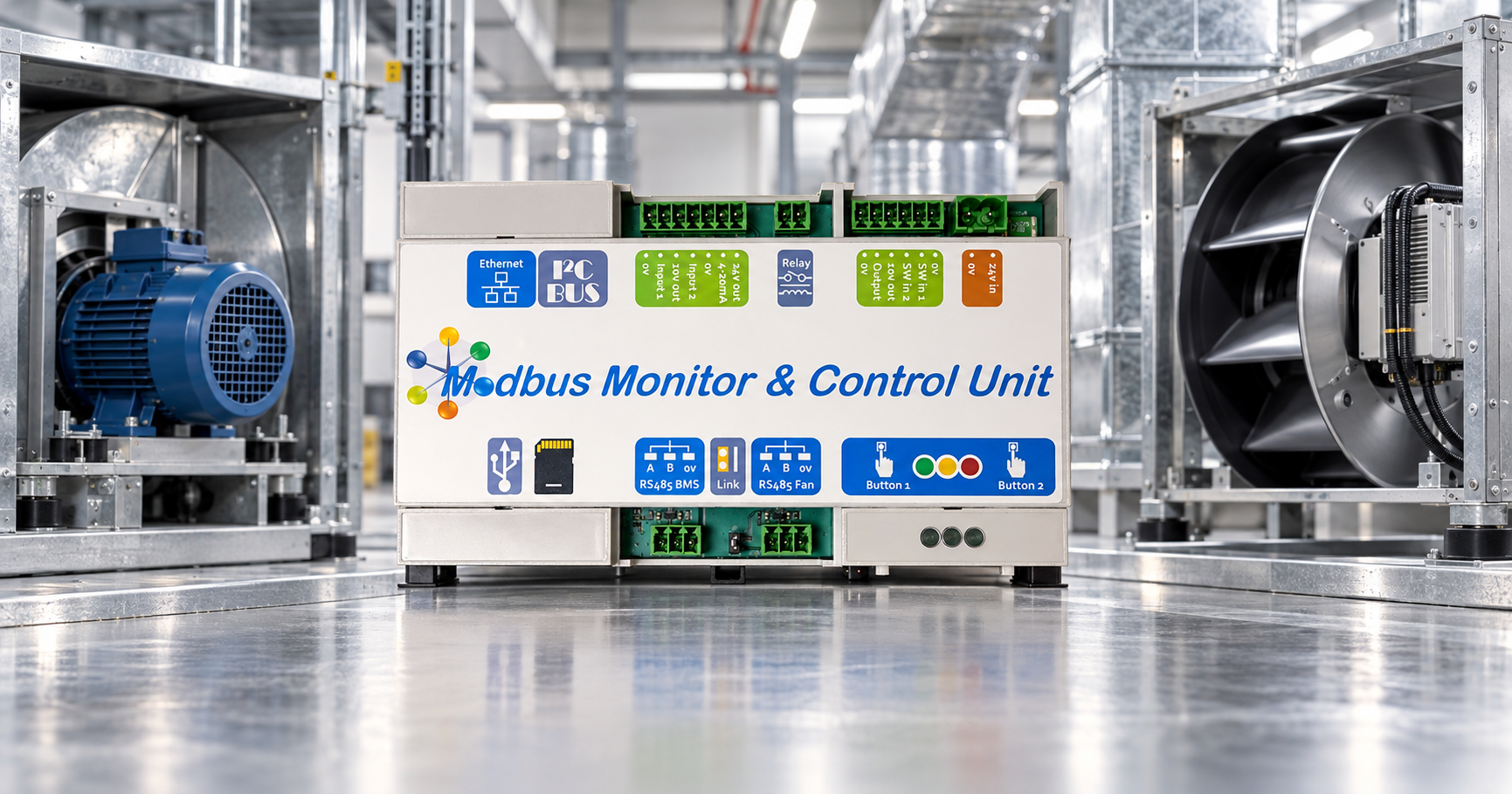 October 17, 2026
-
Steam Humidifier Explained: How HygroMatik Humidification Systems Work
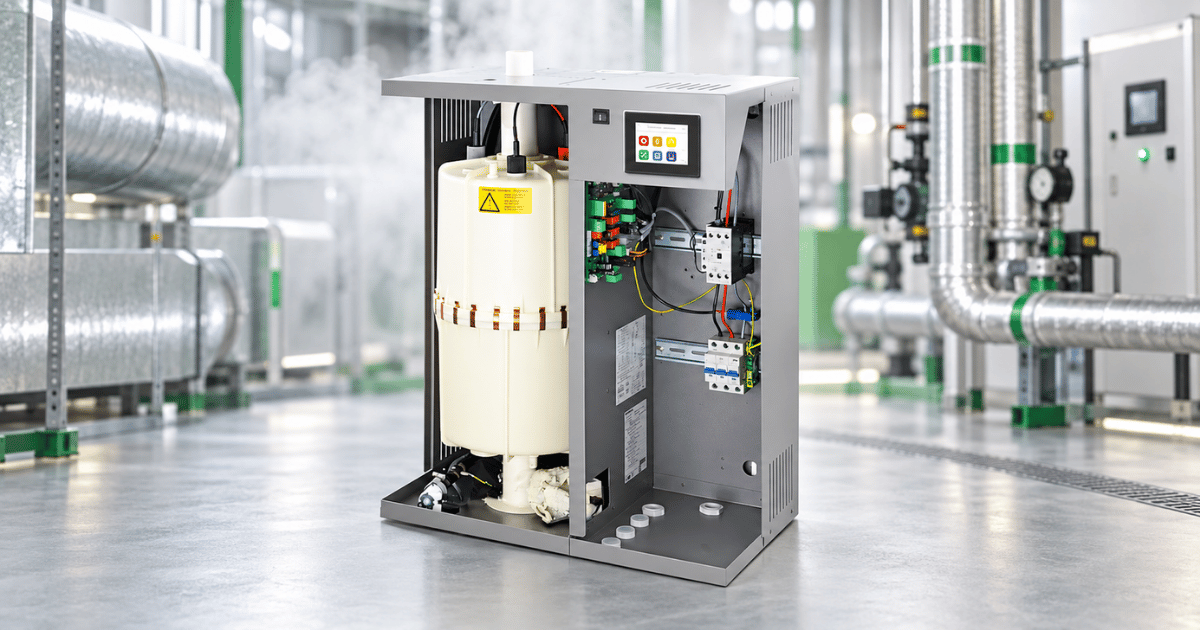 October 16, 2026