
What Our Customers Are Saying
Blog
-
16 Oct
 Read more »
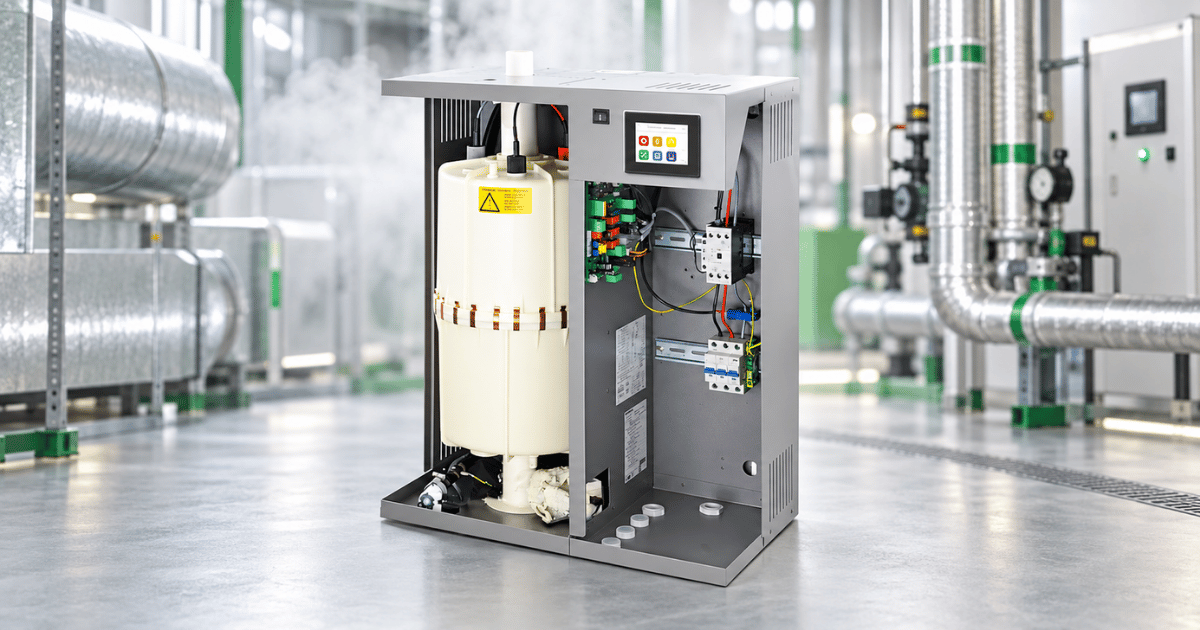
The steam humidifier helps humidify the indoor air by heating up water to produce steam and then distributing the steam through the ductwork or into the room, solving the problem of a lack of humidity during winter. Sizing and controlling one correctly means matching its output to the actual moisture demand of the building.
-
15 Oct
 Read more »
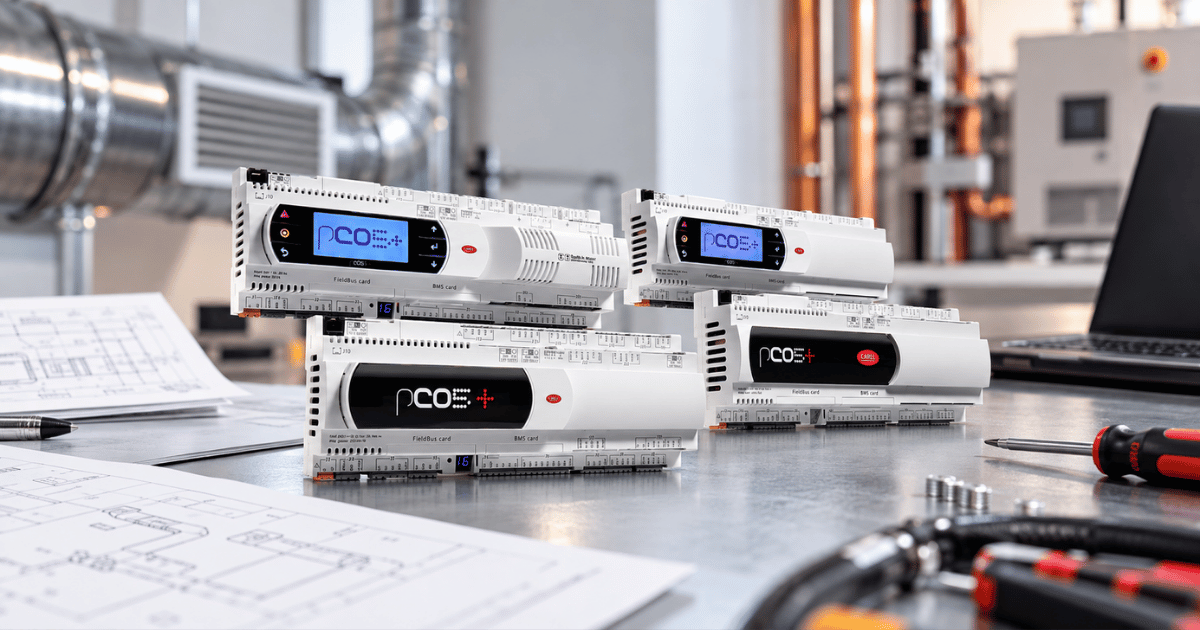
A Carel controller alarm or fault code appears on the unit's display and points to a specific issue, ranging from a faulty sensor to a communication fault or a safety trip. Reading the code correctly and working through the likely cause in order is far faster than guessing at a repair.
-
2 Oct
 Read more »
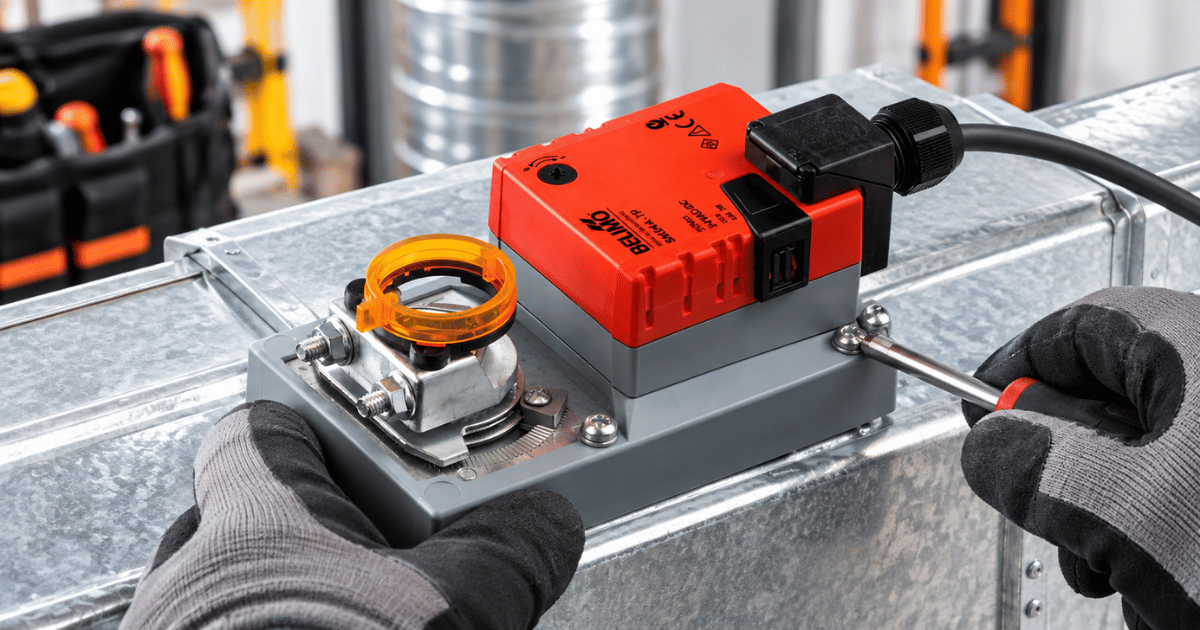
Damper actuator opening, closing, or maintaining a fixed position problems may arise from the following; power supply problems, signal input problems, or a frozen damper blade. However, testing for the above mentioned problems using a manual override test will easily solve the problem. Following the steps below will help fix most damper actuator problems without replacement.
-
1 Oct
 Read more »
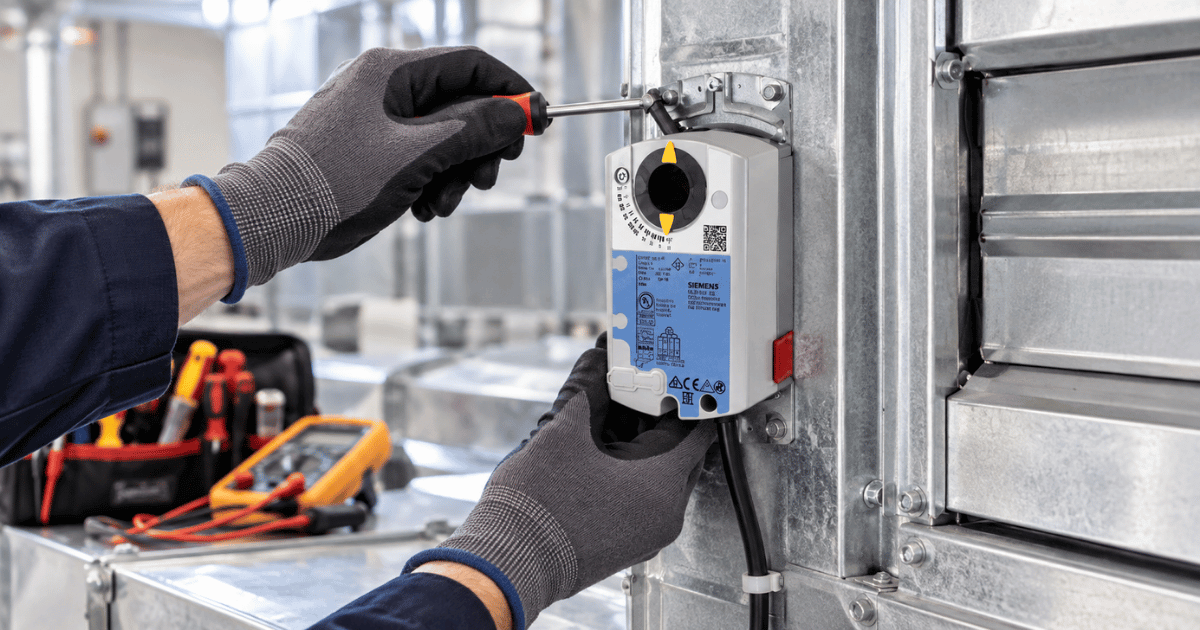
A VAV box, short for variable air volume box, adjusts the amount of conditioned air delivered to a room to match actual demand, rather than supplying a fixed volume regardless of need. This makes VAV systems significantly more efficient than constant volume alternatives in buildings with varying occupancy and load across different zones.
-
23 Sep
 Read more »
CAREL has discontinued the pLDPRO display family, with supply ending in mid 2026. For most HVAC applications, the pGDn is the recommended replacement: PGD1000F01 without buzzer or PGD1000FZ1 with buzzer. It is electrically and functionally equivalent, but slightly larger, so check the panel cut out first.
-
16 Sep
 Read more »
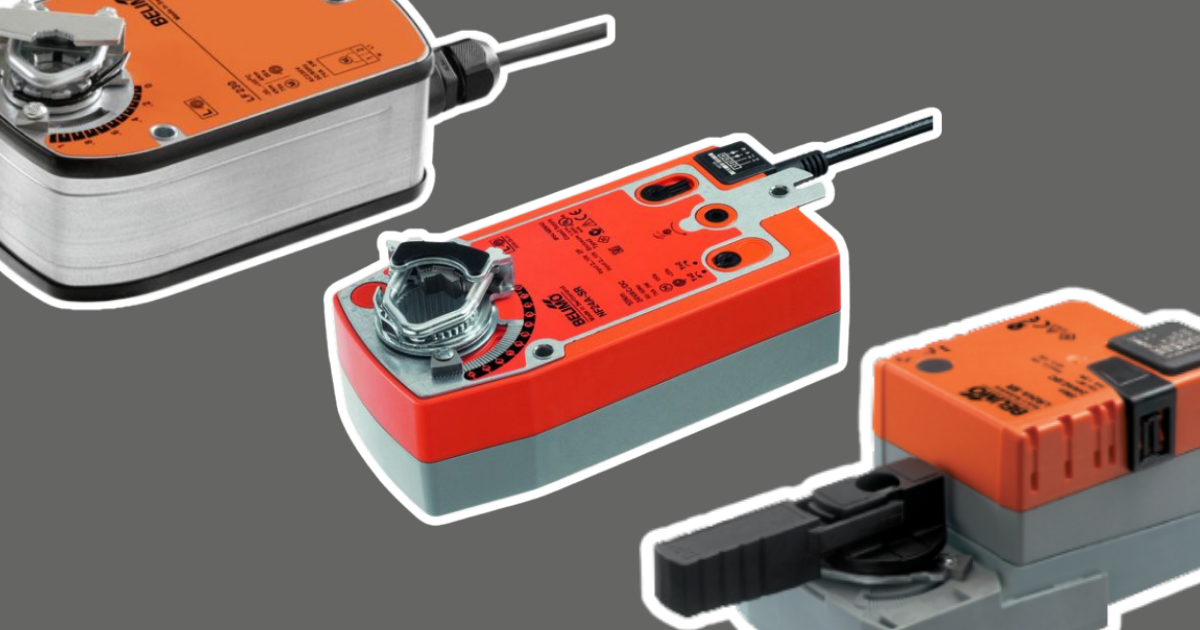
Choose a spring return actuator wherever a valve or damper must move to a safe, fail safe position if power is lost, and choose a non spring return actuator wherever that fail position genuinely does not matter. Getting this choice wrong on a safety critical application, such as a fire damper, is one of the most common specification errors engineers make.
-
9 Sep
 Read more »
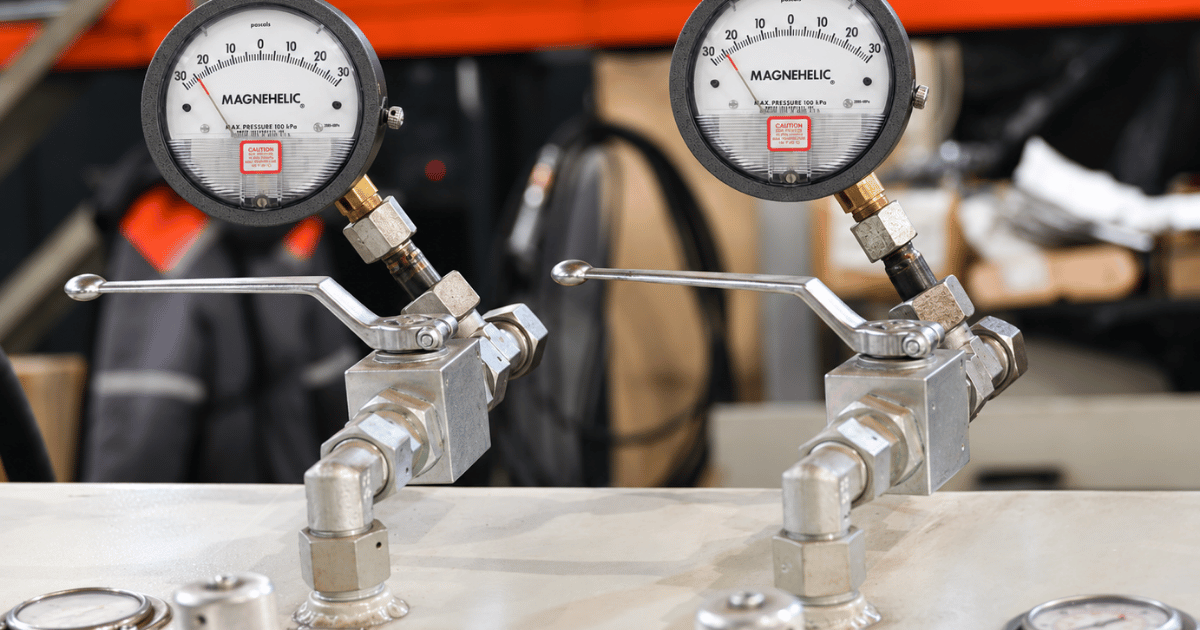
Differential pressure switches work on the principle of measuring the difference in pressure at two ends and then generating an electrical signal when this difference exceeds a certain limit. It is used in HVAC applications for detecting a clogged filter, for verifying that the fan is working, and for ensuring flow through a pump.
-
7 Sep
 Read more »
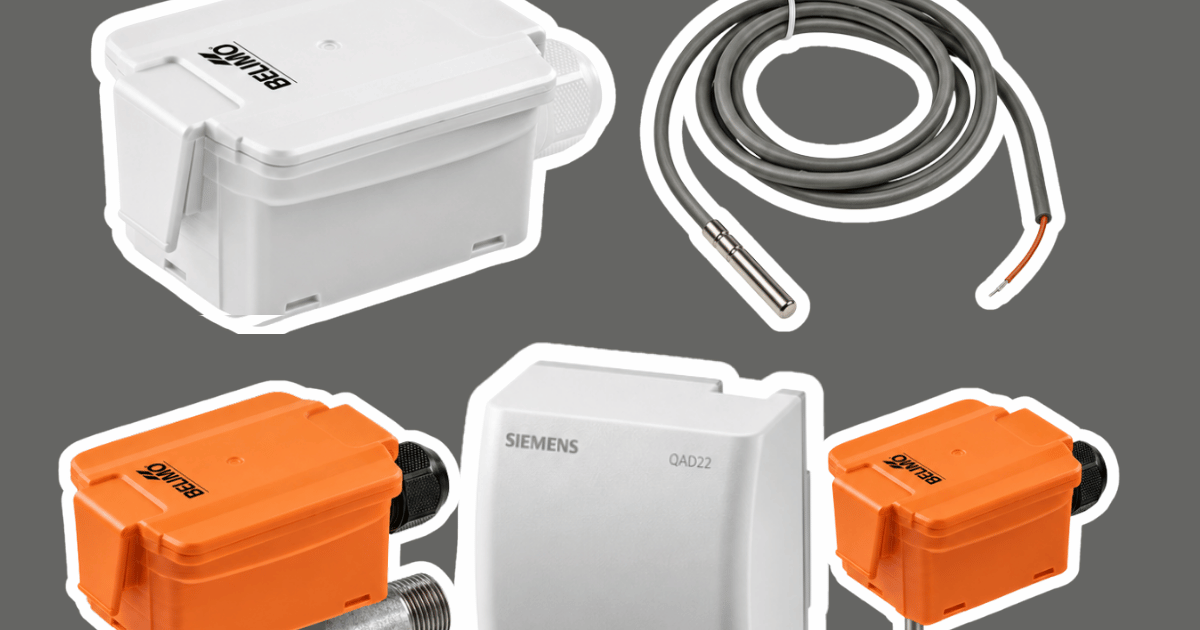
A PT100 temperature detector is a resistance temperature detector that consists of platinum with a resistance of 100 ohms at zero degrees Celsius and exhibits predictable changes in resistance with changes in temperature. PT100 temperature detectors are among the most accurate means of temperature measurement.
-
25 Aug
 Read more »
In this guide, we'll explain what has changed, how the replacement process works, what hardware may also require upgrading and how iACS can supply the complete range of genuine CAREL replacement controllers and accessories needed to complete the project successfully.
-
21 Aug
 Read more »
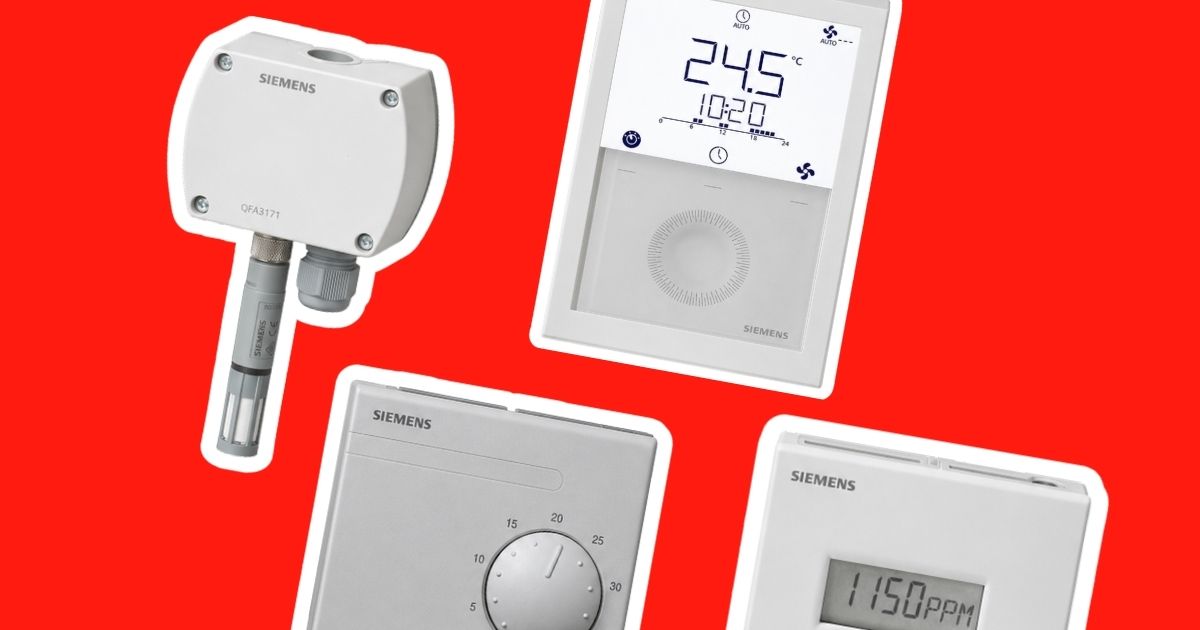
Thermostat wiring usually belongs to one of the following types: two-wire for basic on-off switching; three-wire that includes the common or neutral wire; and four or five-wire for multi-function thermostats used together with a programmer. Correct connection according to the wiring diagram will save you from two of the most frequent errors, which are heating system that cannot call for heat and heating system that cannot shut down.
Recent Posts
-
Steam Humidifier Explained: How HygroMatik Humidification Systems Work
October 16, 2026
-
Carel Controller Fault Codes Explained: A Troubleshooting Guide
October 15, 2026
-
Damper Actuator Not Working? How to Diagnose and Fix Common Faults
October 2, 2026
-
VAV Box Explained: How Variable Air Volume Systems Control Airflow
October 1, 2026
-
Replacing a CAREL pLDPRO Display: pGDn Options, Fit Checks and Affected Part Numbers
September 23, 2026