
What Our Customers Are Saying
Monthly Archives: May 2026
-
6 May
 Read more »
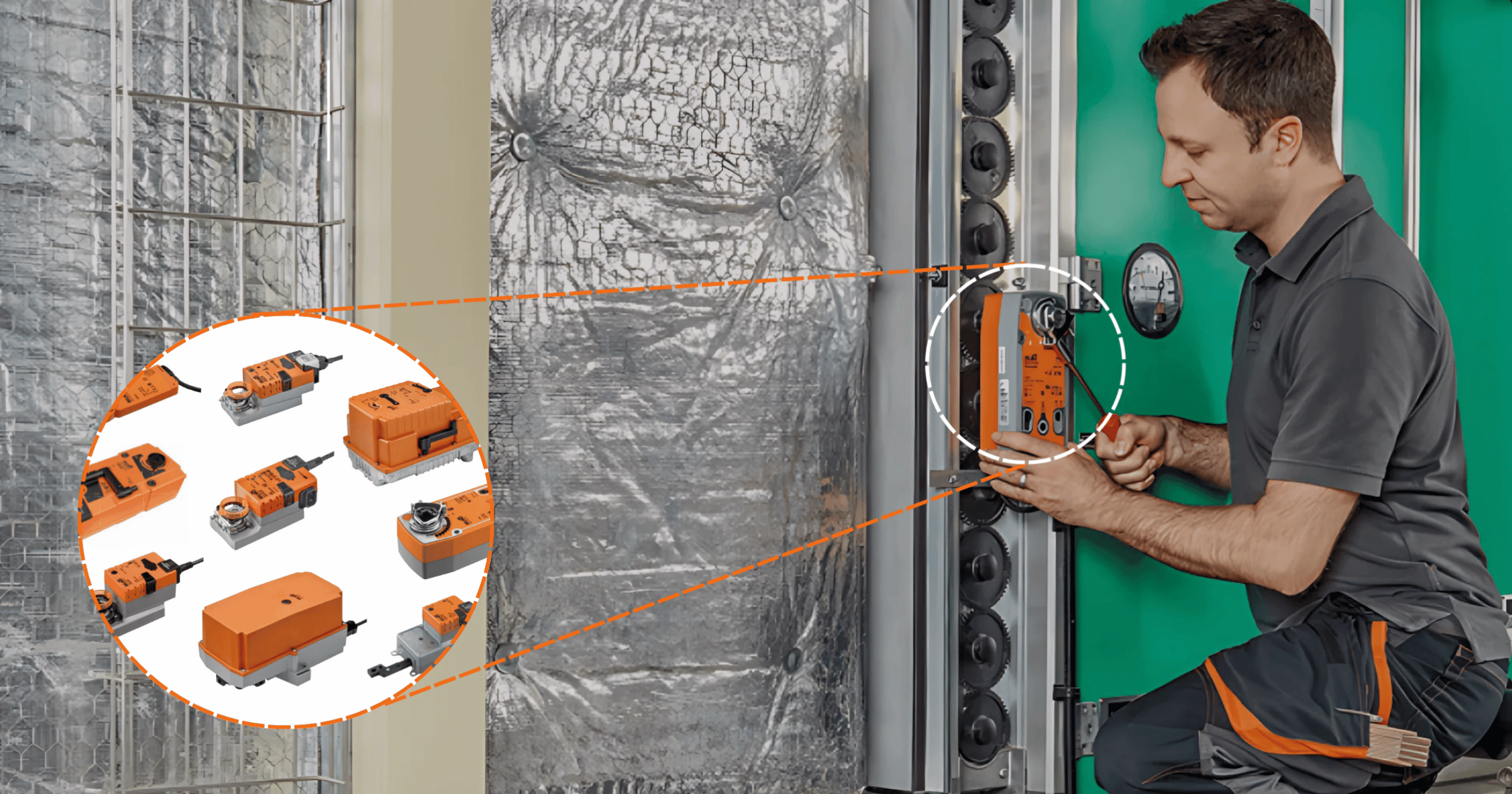
If you work in building services, facilities management, or HVAC installation, understanding controls is not optional — it is the difference between a system that runs efficiently and one that runs up energy bills and callbacks. This guide covers everything: what HVAC controls are, how they work, the components involved, how they communicate, and how to select the right controls for your application.
-
4 May
 Read more »
Thyristor power controllers and solid state relays (SSRs) are the preferred method of controlling resistive heating loads in HVAC applications — from AHU electric heating coils and duct heaters to humidifier heating elements and heat trace systems. They offer smooth, stepless power control without the mechanical wear and contact bounce associated with electromechanical contactors.
-
1 May
 Read more »
Variable speed drives (VSDs, VFDs, inverters, or frequency drives — the terms are used interchangeably) are one of the highest-impact energy saving measures available in commercial HVAC. A correctly specified VFD on a supply air fan or chilled water pump can reduce energy consumption by 40–60% compared to fixed-speed operation. Getting the selection right is straightforward if you follow a systematic approach.
Recent Posts
-
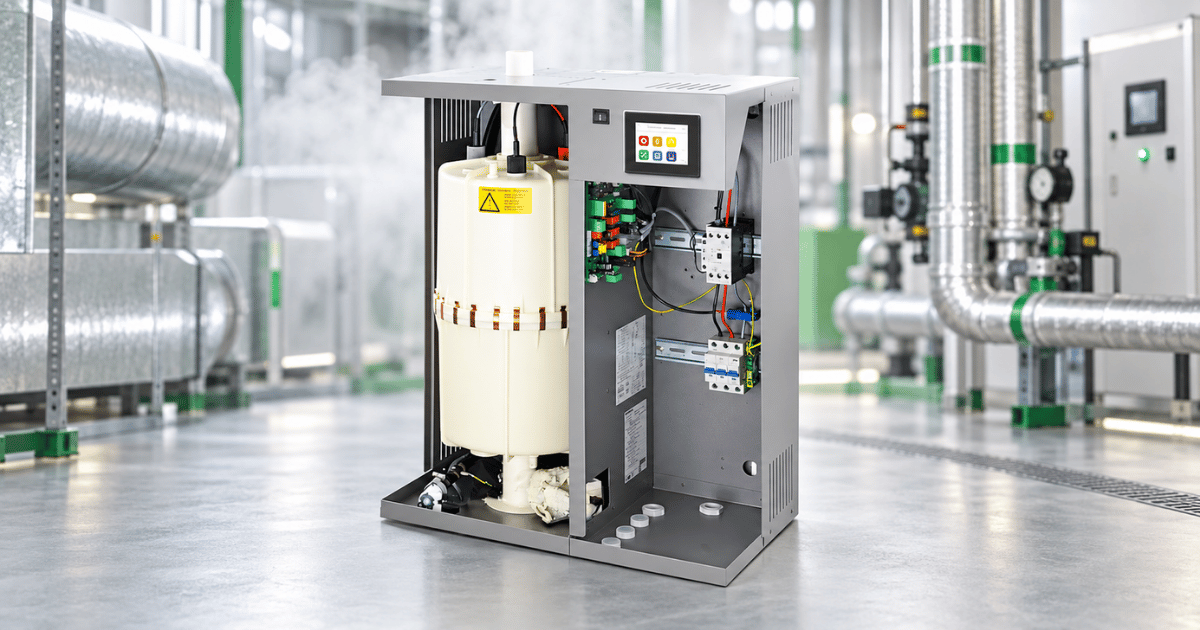
Steam Humidifier Explained: How HygroMatik Humidification Systems Work
 October 16, 2026
 -
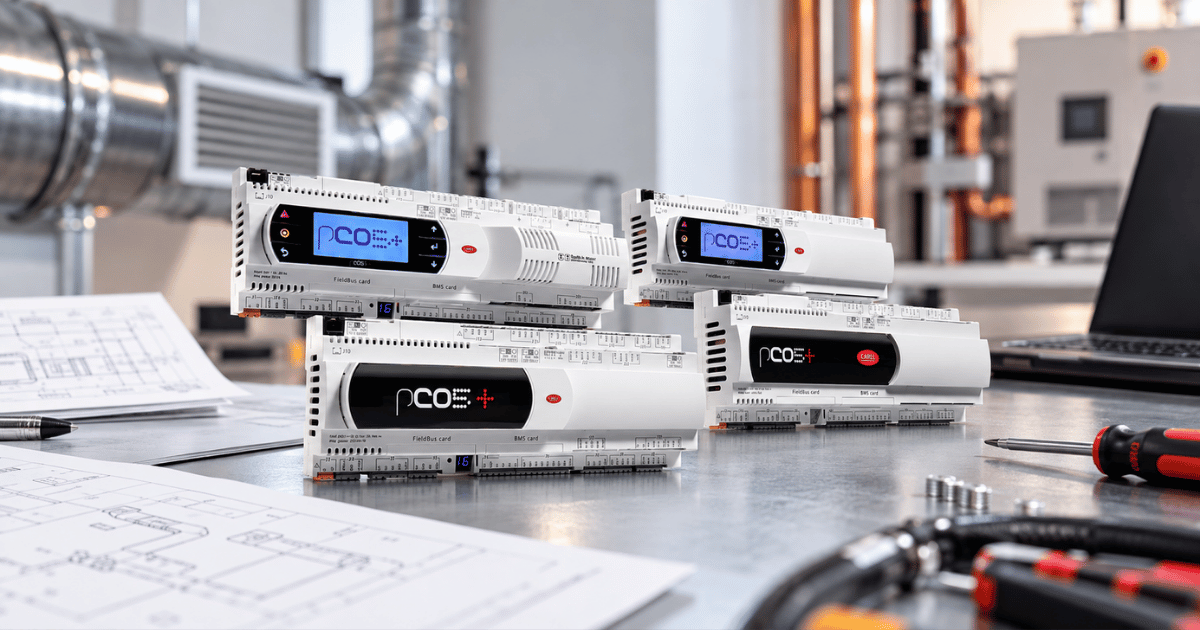
Carel Controller Fault Codes Explained: A Troubleshooting Guide
 October 15, 2026
 -
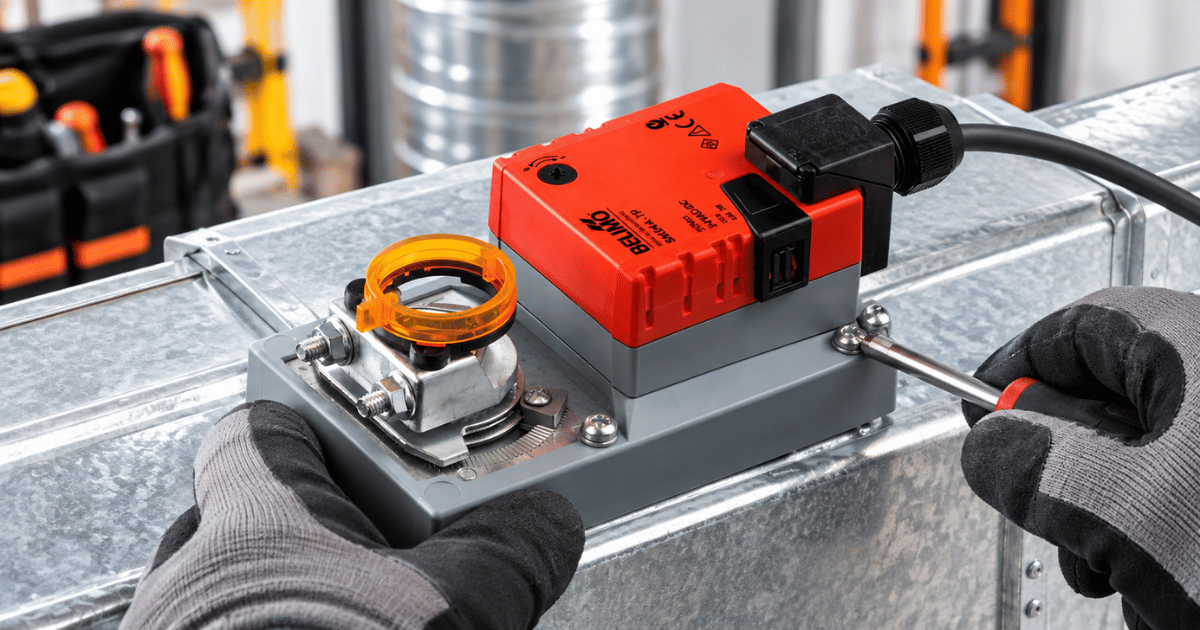
Damper Actuator Not Working? How to Diagnose and Fix Common Faults
 October 2, 2026
 -
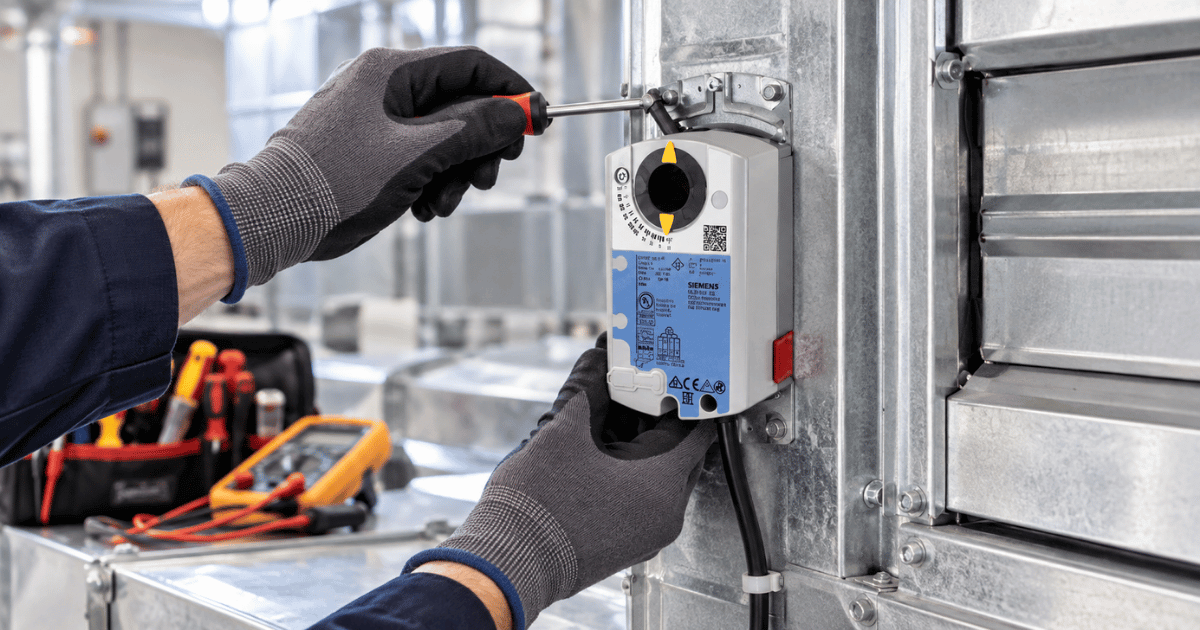
VAV Box Explained: How Variable Air Volume Systems Control Airflow
 October 1, 2026
 -
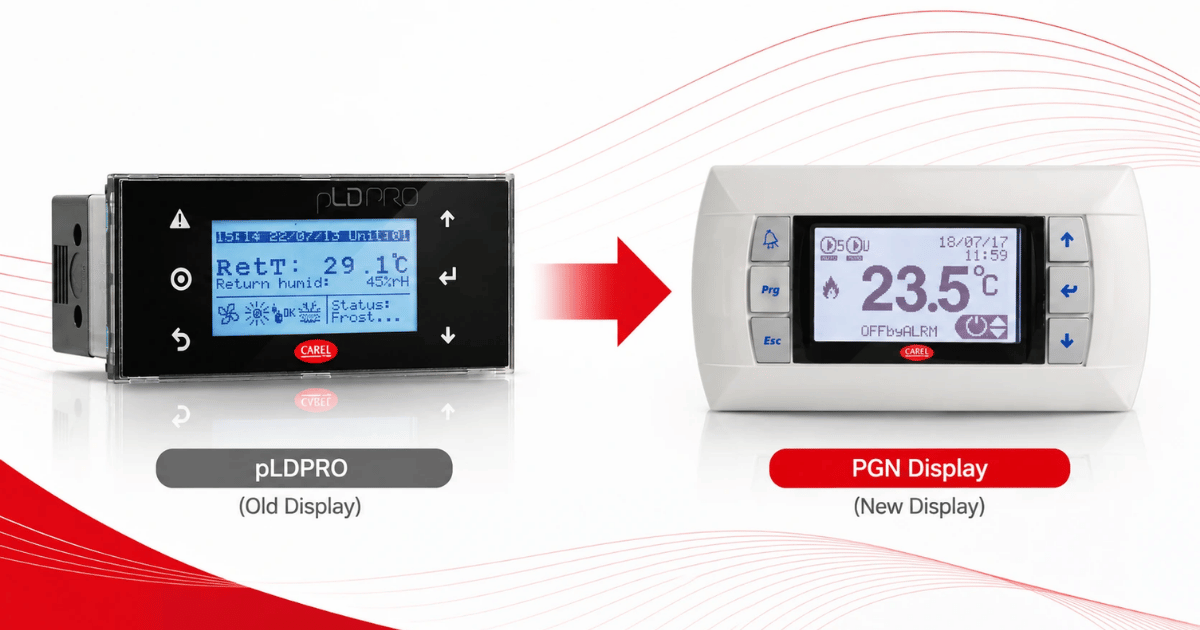
Replacing a CAREL pLDPRO Display: pGDn Options, Fit Checks and Affected Part Numbers
 September 23, 2026