


What Our Customers Are Saying
Page 7 - Blog
-
30 MayRead more »
HVAC Contractor: Delivering Bespoke Solutions for Optimal Performance
When it comes to creating a comfortable and energy-efficient indoor environment, partnering with the right HVAC contractor is essential. From installation and maintenance to system upgrades and emergency repairs, a skilled professional ensures your heating, ventilation, and air conditioning systems operate at peak performance throughout the year.
-
23 MayRead more »
HVAC Maintenance: Ensuring Optimal Performance and Longevity
Maintaining a comfortable indoor environment is essential for any commercial or residential space, and your HVAC system plays a central role in achieving this. Whether you're managing a small office, a retail store, or a large industrial facility, regular HVAC maintenance is key to ensuring efficiency, safety, and long-term savings.
-
9 May
 Read more »
The Best Thermostats for Your HVAC System
Thermostats play a crucial role in maintaining comfort and energy efficiency in both residential and commercial HVAC systems. Choosing the right thermostat can significantly impact your heating and cooling performance while helping to lower energy costs. This guide will explore how thermostats work, the different types available, and the best HVAC thermostats on the market today.
How Do Thermostats Work?
A thermostat is a device that regulates the temperature of a heating, ventilation, and air conditioning (HVAC) system. It monitors the ambient temperature and signals the HVAC system to turn on or off to maintain the desired set point. Modern thermostats use temperature sensors to detect changes in the environment and adjust accordingly. Some advanced models also include humidity sensors to enhance comfort control.

ADCA000110 - Carel Clima Thermostat with RTC manages the simple air-conditioning and heating systems
Types of HVAC Thermostats
There
-
2 May
 Read more »
Air Handling Units: Top Brands Reviewed
Air handling units (AHUs) play a crucial role in heating, ventilation, and air conditioning (HVAC) systems. They regulate and circulate air efficiently, ensuring optimal indoor air quality for various applications, from commercial offices to large industrial facilities. Choosing the right AHU is essential for energy efficiency and performance. In this article, we’ll review top air handling unit brands in the UK and provide insight into how they work.
How Do Air Handling Units Work?
Air handling units are designed to condition and distribute air within buildings. They typically consist of components such as fans, filters, heating and cooling coils, dampers, and control systems.
The process starts with the intake of fresh air from outside, which is filtered to remove dust and pollutants. The air is then heated or cooled, depending on the building’s requirements, and distributed through the ductwork to maintain a comfortable indoor environment. AHUs
-
25 Apr
 Read more »
Understanding Temperature Sensors in HVAC
In modern heating, ventilation, and air conditioning (HVAC) systems, temperature sensors play a crucial role in maintaining comfort, efficiency, and energy savings. These sensors help regulate indoor environments by monitoring temperature fluctuations and ensuring the system responds appropriately. But what do temperature sensors do, how do temperature sensors work, and what types of temperature sensors are available? This guide explores everything you need to know about these essential HVAC components.
AX-RHT-03 - The Axio AX-RHT-3-x range of RH & T Transmitters provides accurate Relative Humidity and Temperature measurements, with selectable current or voltage analogue outputs. The units are extremely reliable, have excellent stability and a quick response time
What Do Temperature Sensors Do?
Temperature sensors in HVAC systems measure ambient temperature and send signals to the control unit, which adjusts heating or cooling accordingly. These
-
18 Apr
 Read more »
Top-Rated Inverters for Energy Efficiency
Understanding Inverters and Their Role in Energy Efficiency
Inverters play a crucial role in energy efficiency, particularly in HVAC systems. These devices convert direct current (DC) into alternating current (AC), allowing electrical systems to operate more efficiently. By optimising power usage and reducing energy wastage, inverters contribute to lower electricity bills and improved system longevity.
If you are considering upgrading your HVAC system, choosing the right inverter can make a significant difference in performance and cost savings. In this article, we will explore how inverters work, the benefits of HVAC inverters, and review some of the top-rated inverters on the market, including Danfoss inverters.
How Do Inverters Work?
Inverters regulate the speed of electric motors by controlling the frequency of the electrical power supplied. Unlike traditional systems that operate at a constant speed regardless of demand, inverters adjust
-
9 AprRead more »
How to Choose Reliable HVAC Contractors
Finding a trustworthy HVAC contractor is essential for ensuring the efficiency and longevity of your heating, ventilation, and air conditioning (HVAC) system. Whether you need routine maintenance, repairs, or a full system installation, choosing the right professional can save you time, money, and future headaches. Here’s a guide to help you make an informed decision when searching for reliable HVAC contractors.
Understand What HVAC Contractors Do
Before hiring a contractor, it’s important to understand their role. HVAC contractors are professionals who specialise in installing, maintaining, and repairing heating and cooling systems. They ensure that residential and commercial HVAC systems function efficiently, providing optimal indoor air quality and climate control. A skilled contractor will offer tailored HVAC solutions that suit your specific needs.
Look for Licensing and Certifications
Reputable HVAC contractors should have the necessary licenses
-
2 AprRead more »
Why Regular HVAC Service Saves Money
Meta Description: Learn how regular HVAC service saves money by improving efficiency, reducing energy costs, and preventing costly repairs. Keep your system running smoothly year-round.
Regular HVAC service is essential for maintaining an efficient heating, ventilation, and air conditioning system. Many businesses overlook routine maintenance, only addressing issues when something goes wrong. However, scheduling regular servicing can lead to significant long-term savings while ensuring a comfortable indoor environment. Here’s how proactive HVAC solutions can reduce costs and extend the lifespan of your system.
Lower Energy Bills
One of the most immediate benefits of routine HVAC service is improved energy efficiency. Over time, dust and debris accumulate in the system, causing it to work harder to heat or cool your space. Components such as air filters, coils, and fans require regular cleaning and inspection to ensure smooth operation. A well-maintained
-
25 Mar
 Read more »
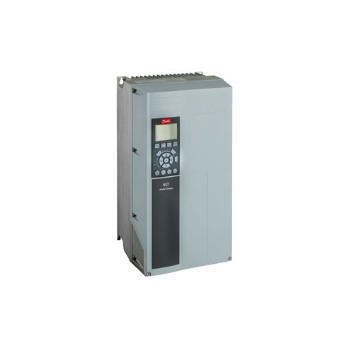
Top-Rated Inverters for Energy Efficiency
Understanding Inverters and Their Role in Energy Efficiency
Inverters play a crucial role in energy efficiency, particularly in HVAC systems. These devices convert direct current (DC) into alternating current (AC), allowing electrical systems to operate more efficiently. By optimising power usage and reducing energy wastage, inverters contribute to lower electricity bills and improved system longevity.
If you are considering upgrading your HVAC system, choosing the right inverter can make a significant difference in performance and cost savings. In this article, we will explore how inverters work, the benefits of HVAC inverters, and review some of the top-rated inverters on the market, including Danfoss inverters.
How Do Inverters Work?
Inverters regulate the speed of electric motors by controlling the frequency of the electrical power supplied. Unlike traditional systems that operate at a constant speed regardless of demand, inverters adjust
-
14 Mar
 Read more »
Essential Tips for HVAC Maintenance
Regular HVAC maintenance is key to keeping your heating, ventilation, and air conditioning system running efficiently all year round. A well-maintained HVAC system ensures optimal performance, reduces energy costs, and extends the lifespan of the equipment. Whether you’re a homeowner or a business owner, these HVAC tips will help you prevent unexpected breakdowns and costly HVAC repair.
What is HVAC?
Before diving into maintenance tips, it’s important to understand what is HVAC. HVAC stands for heating, ventilation, and air conditioning. This system regulates indoor temperature, humidity, and air quality, ensuring a comfortable and healthy environment. Proper maintenance is crucial for maximising efficiency and preventing costly repairs.
Essential HVAC Maintenance Tips
1. Change Air Filters Regularly
Air filters trap dust, pollen, and other airborne particles, preventing them from circulating in your home or workplace. Over time, filters become clogged,
Recent Posts
-
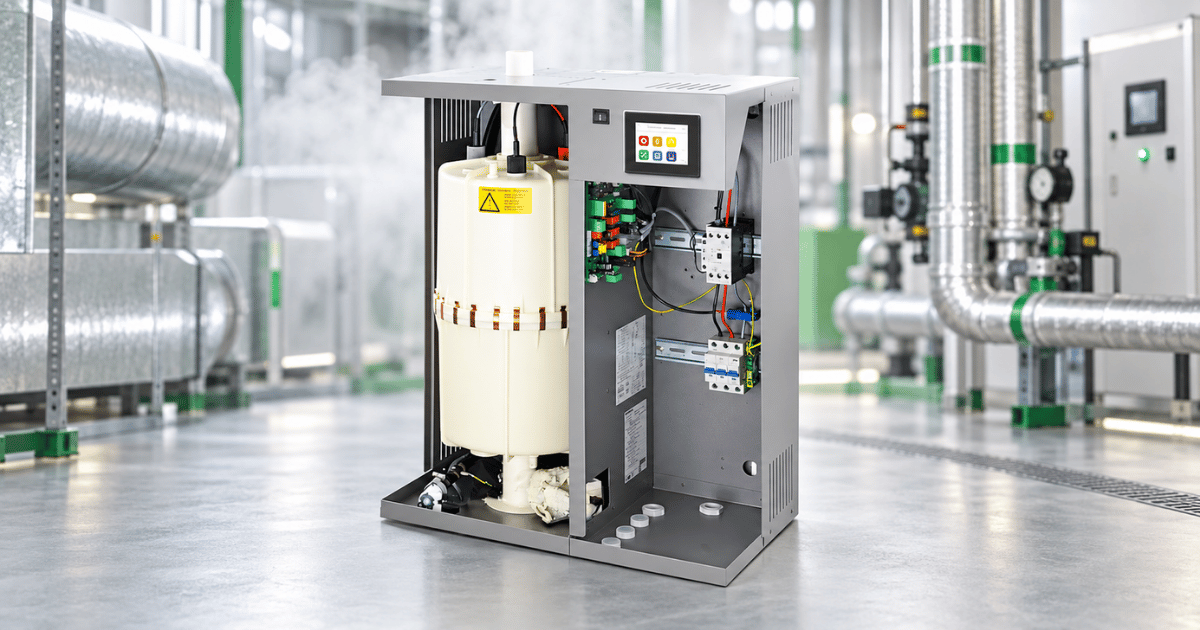
Steam Humidifier Explained: How HygroMatik Humidification Systems Work
 October 16, 2026
 -
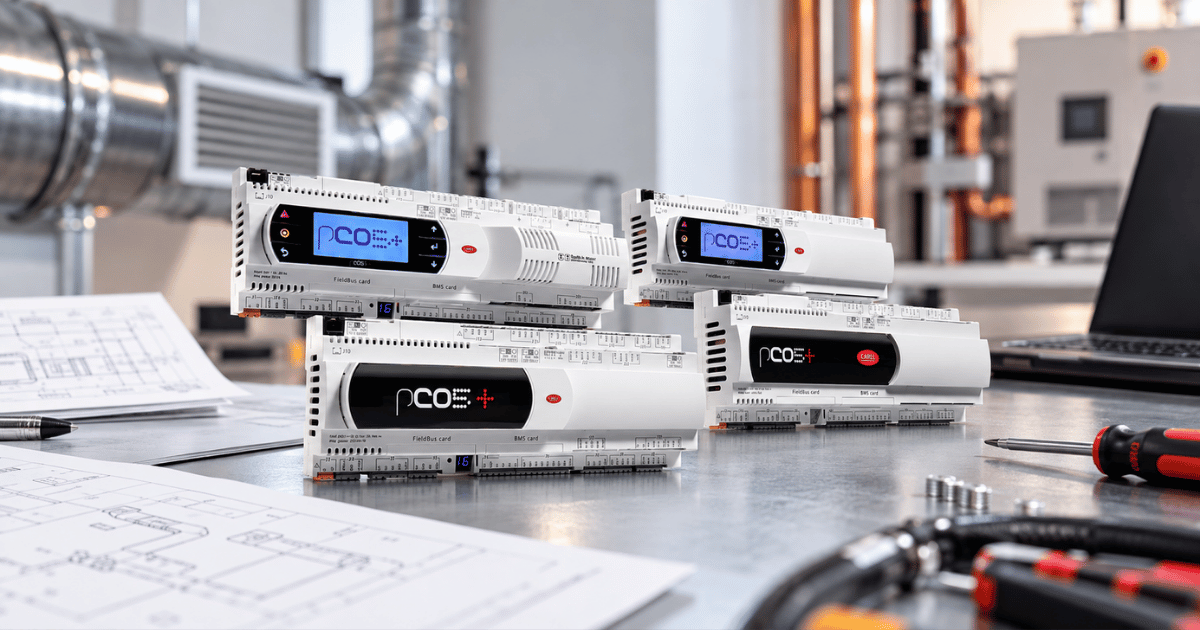
Carel Controller Fault Codes Explained: A Troubleshooting Guide
 October 15, 2026
 -
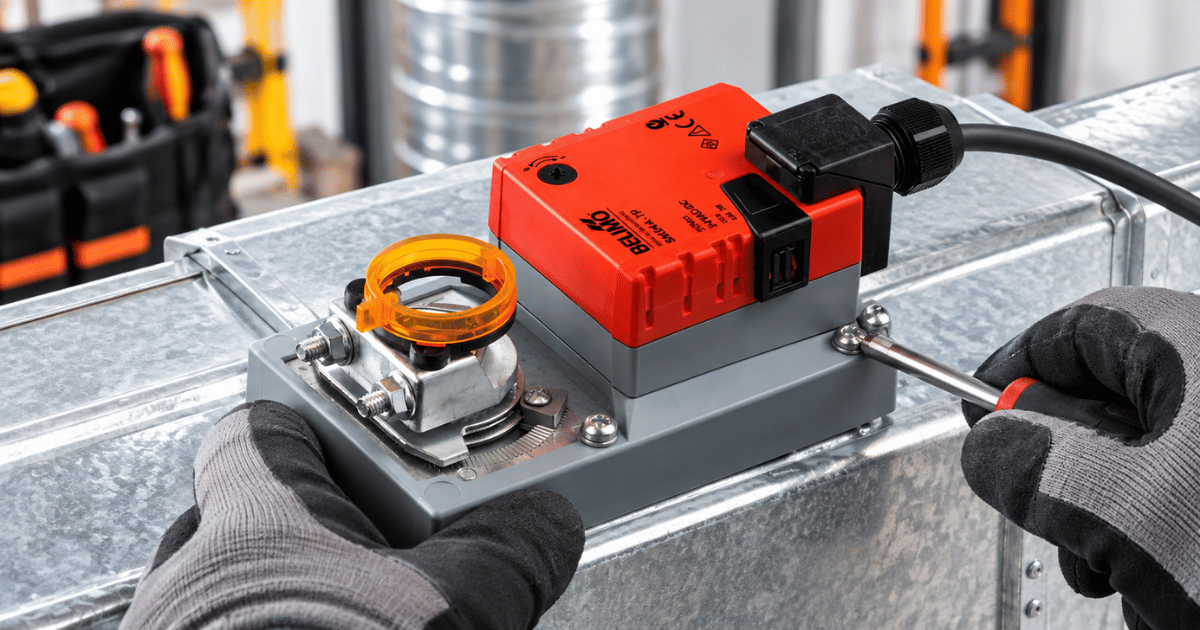
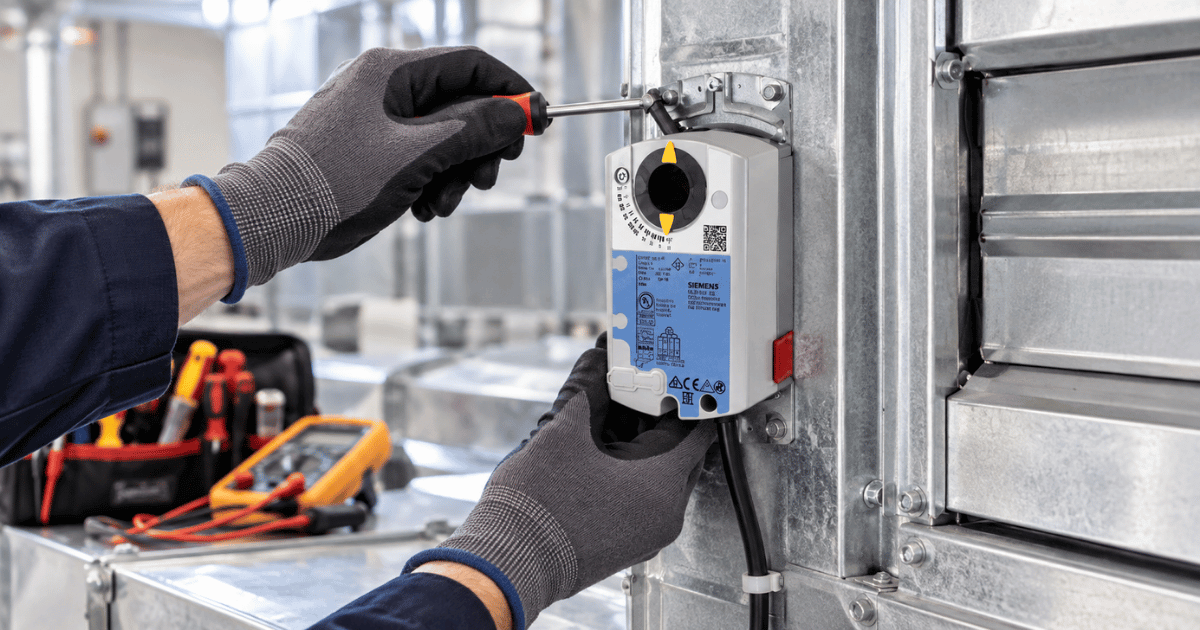
Damper Actuator Not Working? How to Diagnose and Fix Common Faults
 October 2, 2026
 -
VAV Box Explained: How Variable Air Volume Systems Control Airflow
 October 1, 2026
 -
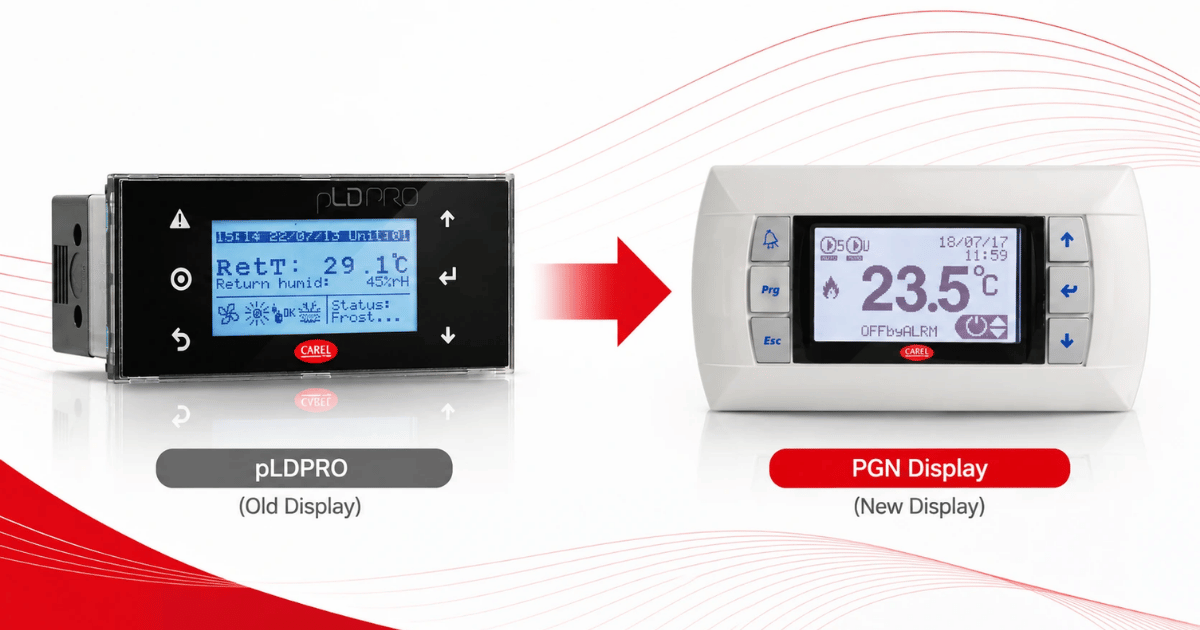
Replacing a CAREL pLDPRO Display: pGDn Options, Fit Checks and Affected Part Numbers
 September 23, 2026