
What Our Customers Are Saying
Air Flow Sensor Not Reading Correctly? Common VAV Faults and Fixes
8
Nov
If a VAV air flow sensor is reading incorrectly, the most common causes are a blockage or wiring fault giving a zero reading, turbulence or poor sensor placement causing an erratic reading, or calibration drift giving a consistently high or low reading. Working through wiring, obstruction and calibration checks in that order will identify the fault quickly.
How an Air Flow Sensor Works in a VAV Box
An air flow sensor within a VAV box measures the actual volume of air passing through, feeding that reading back to the box's local controller so it can adjust the damper to hit the target airflow set by the BMS, as covered in our VAV box guide.
Common Symptoms and Causes
A sensor reading zero usually points to a physical blockage in the sensing element or a wiring fault preventing the signal reaching the controller. A sensor reading erratically, jumping between values with no clear pattern, often indicates turbulence at the sensor location or a sensor that has been positioned too close to a duct fitting or bend. A sensor reading consistently high or low, but stable, typically points to calibration drift rather than an active fault.
Diagnosing the Fault
Check wiring and power to the sensor first, confirming a genuine signal is present. Check for physical obstruction by inspecting the sensing element directly for dust, debris or damage. Compare the sensor's reading against a handheld reference meter at the same point in the duct to confirm whether the fixed sensor itself is at fault or whether the airflow genuinely differs from what the BMS expects
Recalibrating or Replacing the Sensor
Where a reference reading confirms the sensor is simply drifted rather than physically damaged, recalibration against the manufacturer's procedure is usually possible and more cost effective than replacement. Where the sensing element itself is damaged or contaminated beyond cleaning, replacement is the more reliable option.
Preventing Recurring Faults
Correct sensor placement, away from duct bends, dampers and other sources of turbulence, prevents many erratic reading faults before they start. Building a periodic verification check, comparing the fixed sensor against a handheld reference, into planned maintenance catches drift before it affects comfort or ventilation compliance.
Frequently Asked Questions
How do I tell if a VAV fault is the sensor or the damper actuator?
Comparing the sensor's reading against a handheld reference meter will confirm whether the airflow reading itself is accurate, while a manual check of the damper's physical movement will confirm whether the actuator is responding correctly to commands.
How often should a VAV air flow sensor be recalibrated?
This varies by manufacturer, but many installations include a periodic verification check, often annually, comparing the fixed sensor against a handheld reference meter.
Can a VAV sensor be replaced without recommissioning the whole zone?
In most cases yes, provided the replacement sensor is correctly calibrated and matched to the existing box, though a basic verification check of the zone's airflow after replacement is good practice.
Recommended Products for This Fix
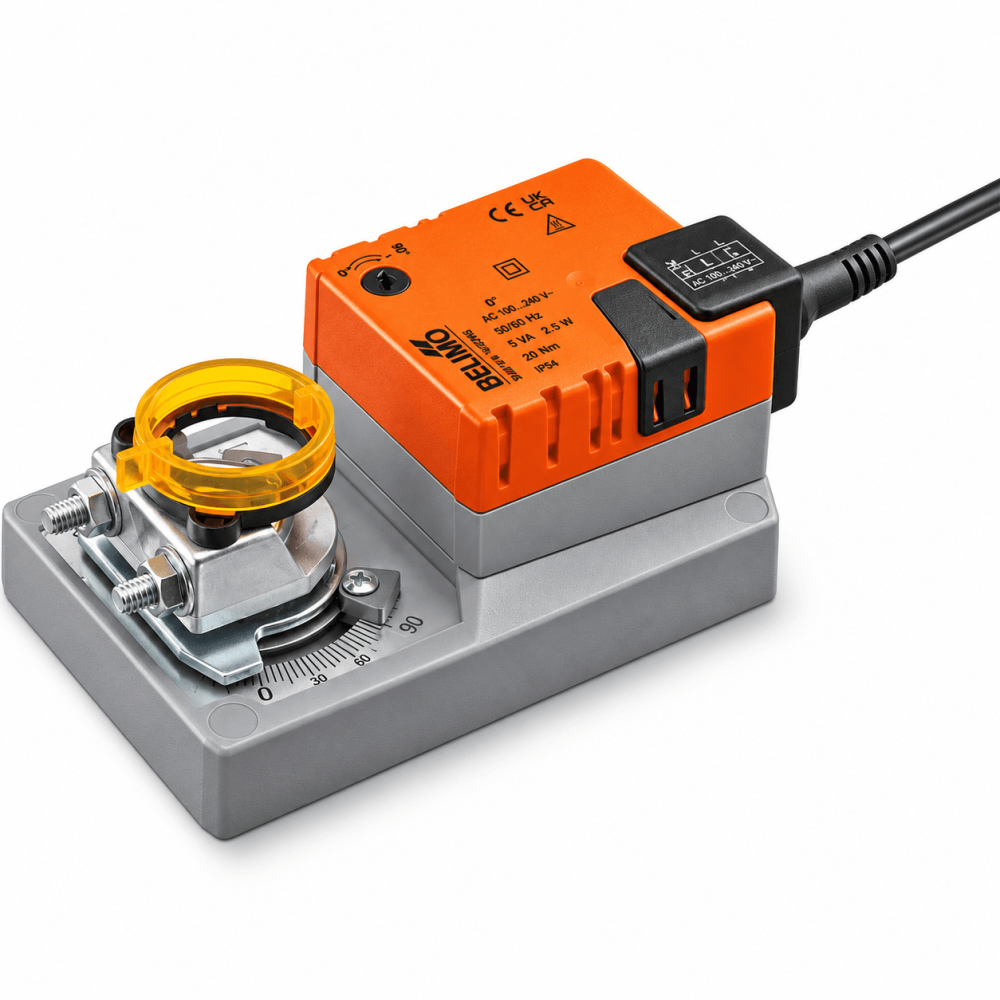
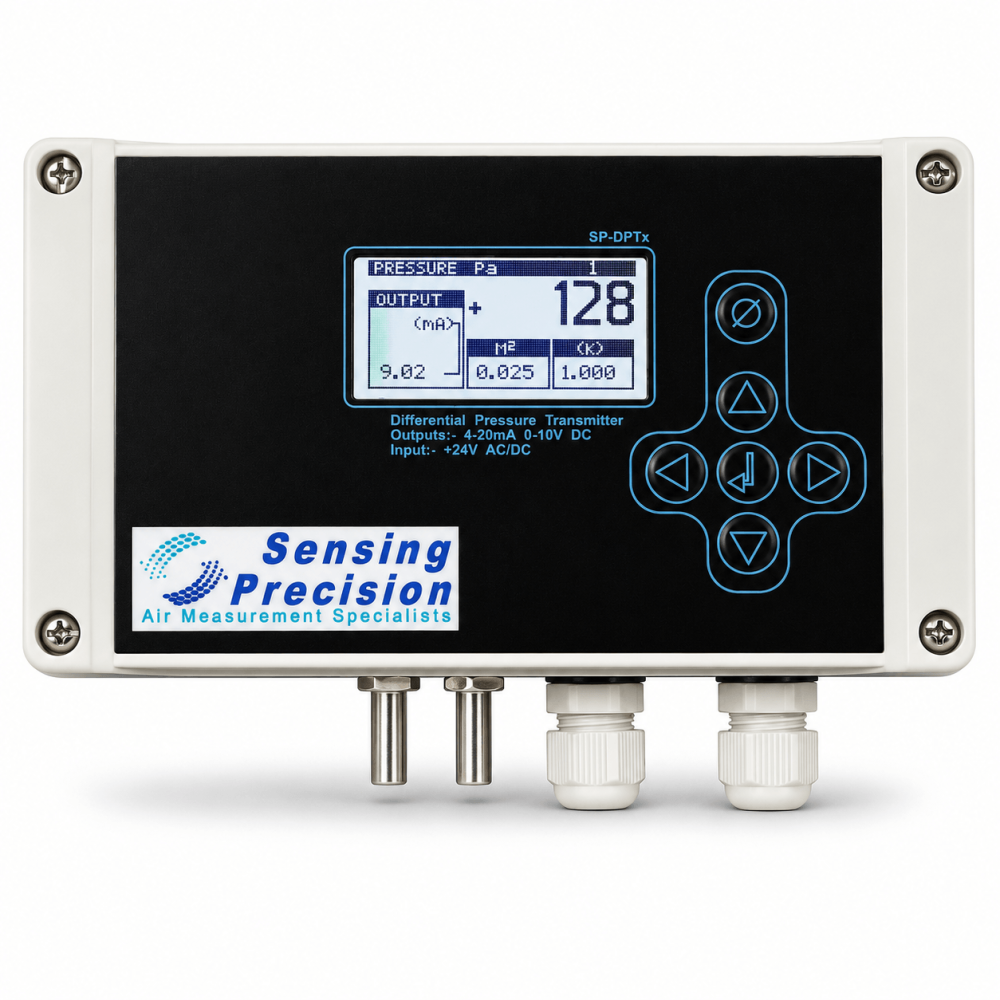
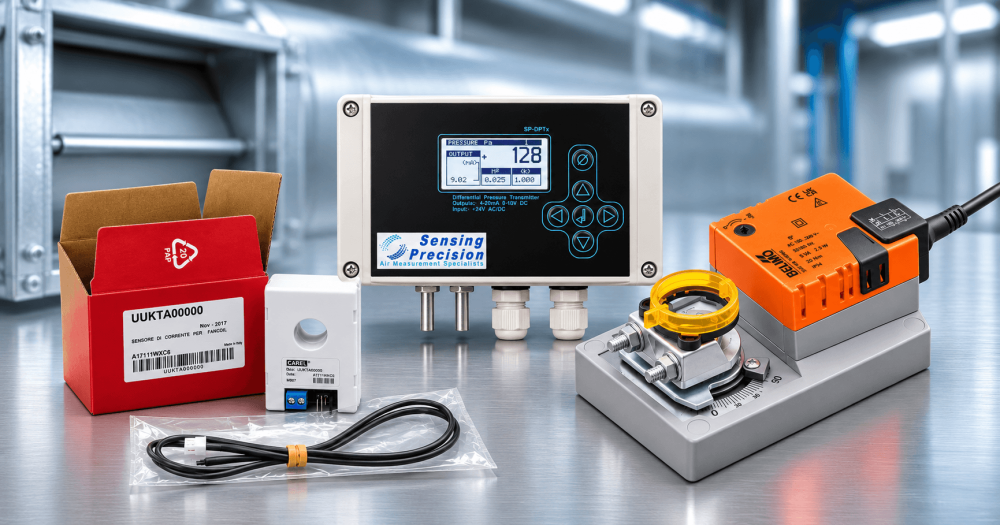
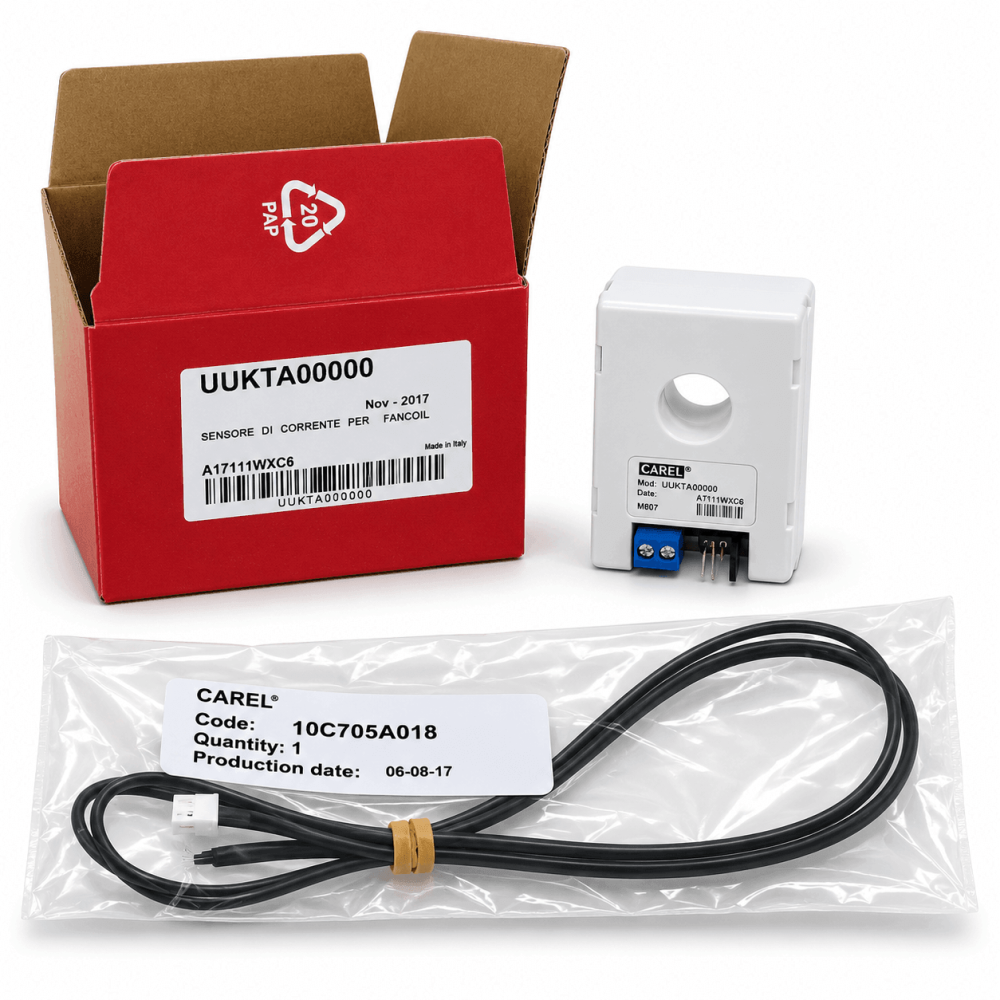
For sites tracing a VAV air flow sensor fault, the Carel UUKTA00000 Air Flow Sensor (TAM) is a direct replacement option, built for HumiSonic and compatible VAV applications where the original sensing element is damaged or contaminated beyond cleaning. Where the fault sits in the actuator rather than the sensor itself, Belimo's rotary damper actuators cover the standard VAV torque ranges and pair with most existing controllers for a straightforward swap. For sites measuring differential pressure as part of the airflow calculation, the DPTx High Accuracy DP Transmitter with display and Modbus output gives a reliable reference reading to confirm whether the fixed sensor or the airflow itself is at fault.
Shop replacement VAV air flow sensors and dampers at iACS Store.
Comment(s)
Recent Posts
-
Air Flow Sensor Not Reading Correctly? Common VAV Faults and Fixes
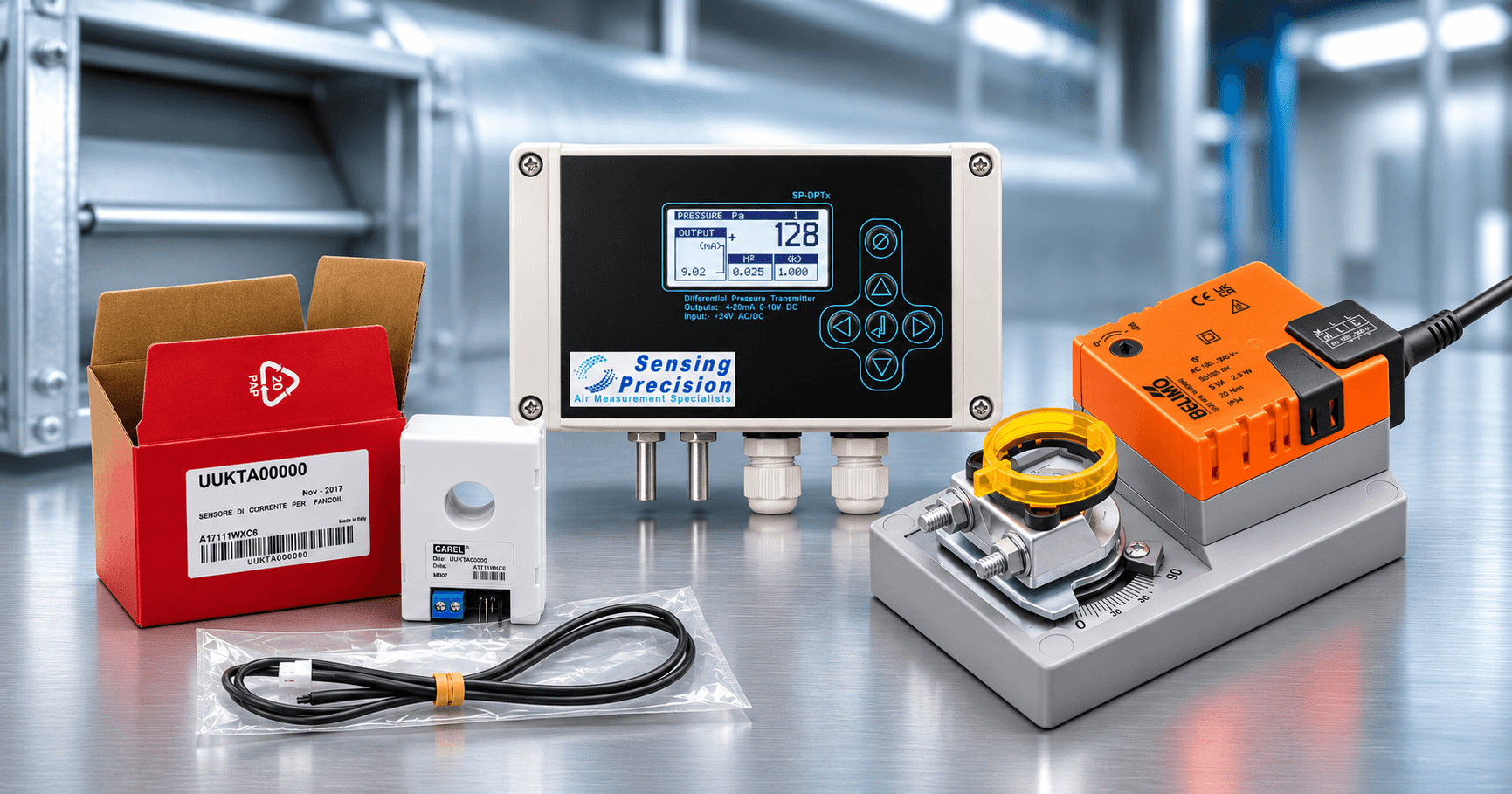 November 8, 2026
-
Pressure Independent Control Valves Explained: PICVs versus Traditional Valves
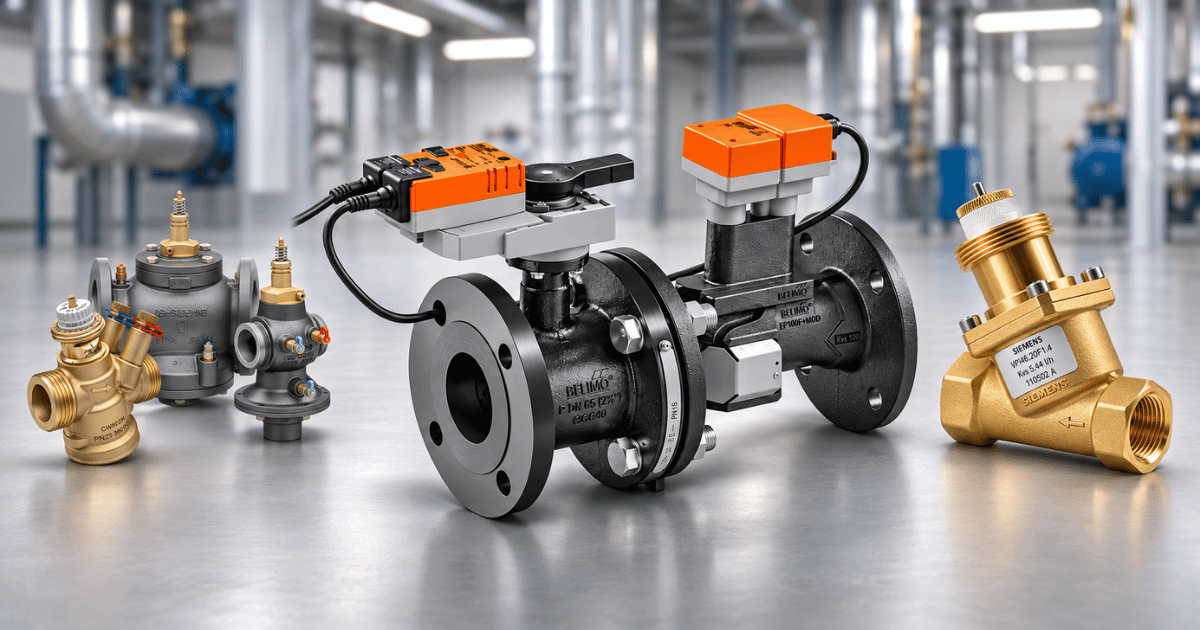 November 4, 2026
-
How to Choose an HVAC Actuator: Torque, Voltage and Signal Type Explained
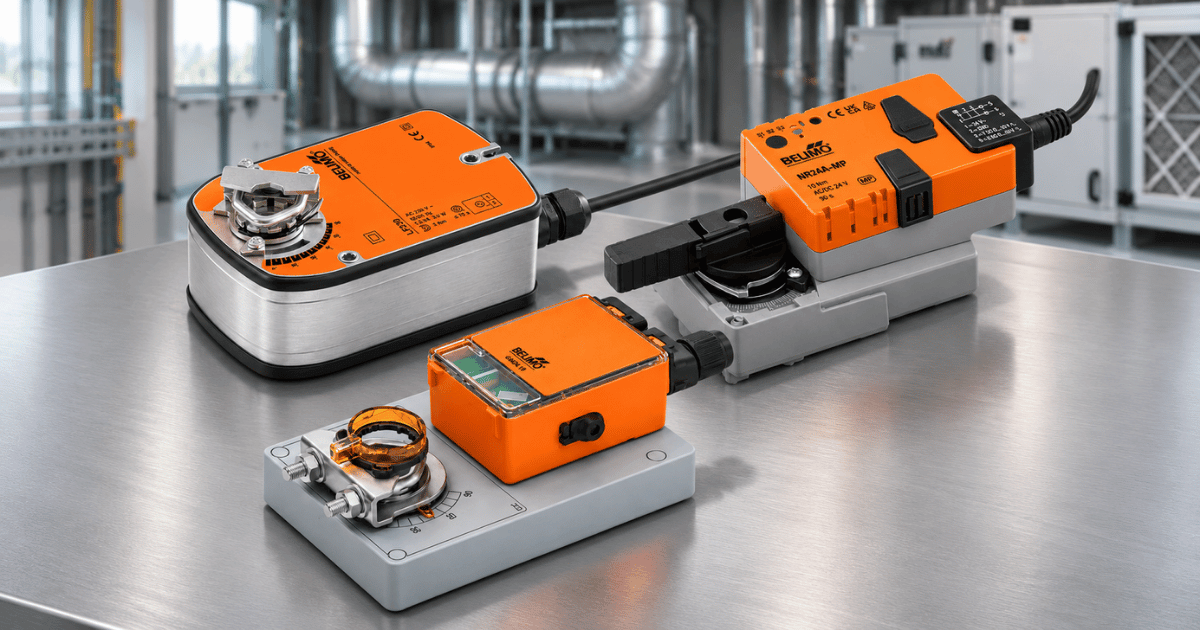 November 3, 2026
-
CO2 Sensors Explained: Demand Controlled Ventilation for Better Air Quality
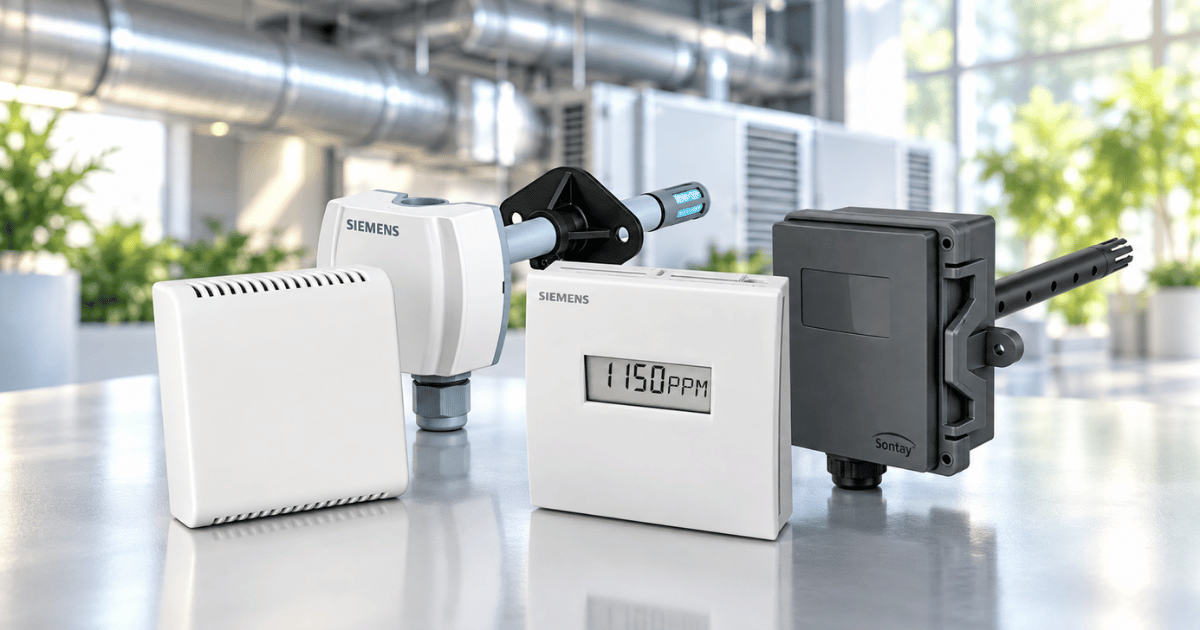 November 2, 2026
-
Humidity Sensors Explained: Types and Applications in HVAC
 November 1, 2026