
What Our Customers Are Saying
Monthly Archives: November 2026
-
10 Nov
 Read more »
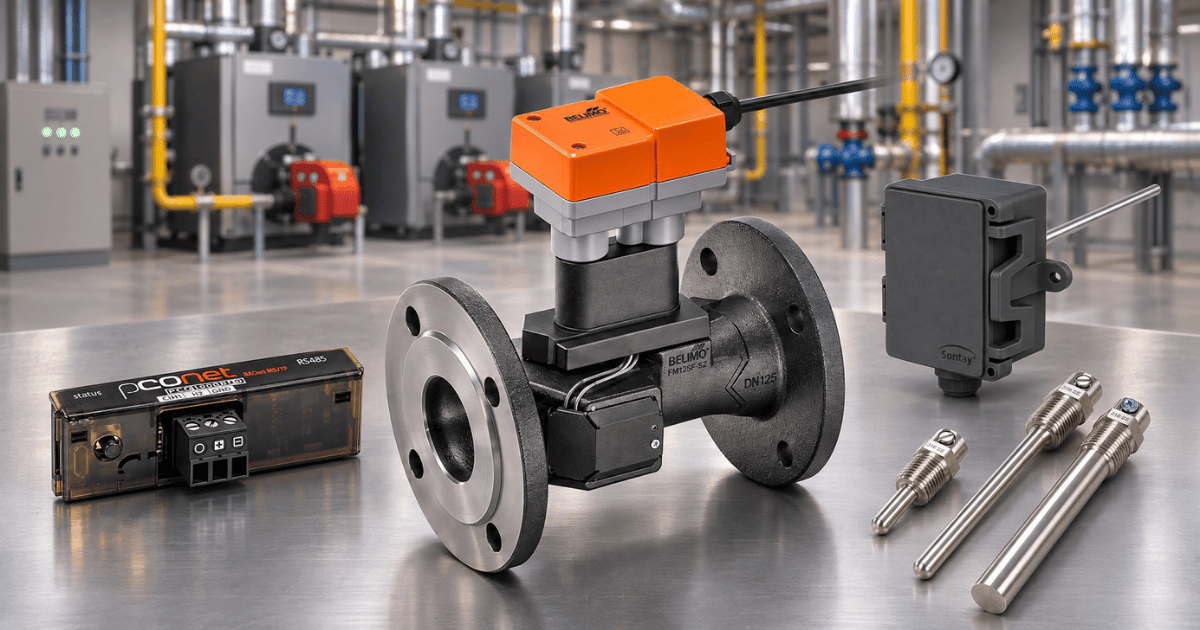
Boiler sequencing is how a BMS runs multiple boilers together, staging them on and off to match actual heating load rather than running one large boiler at part load continuously. This improves efficiency, gives the plant built in redundancy, and spreads wear evenly across the installed boilers.
-
8 Nov
 Read more »
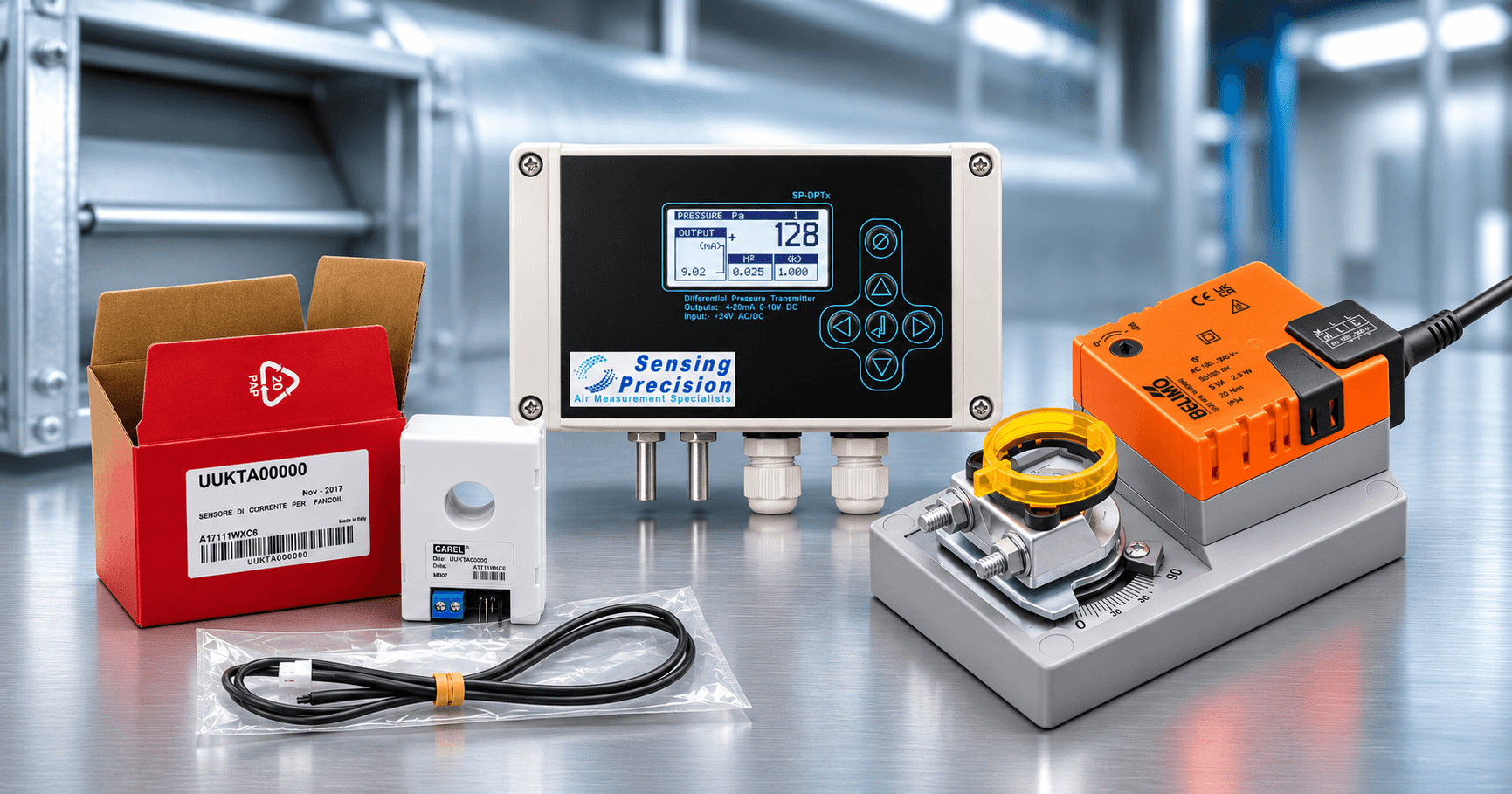
If a VAV air flow sensor is reading incorrectly, the most common causes are a blockage or wiring fault giving a zero reading, turbulence or poor sensor placement causing an erratic reading, or calibration drift giving a consistently high or low reading. Working through wiring, obstruction and calibration checks in that order will identify the fault quickly.
-
4 Nov
 Read more »
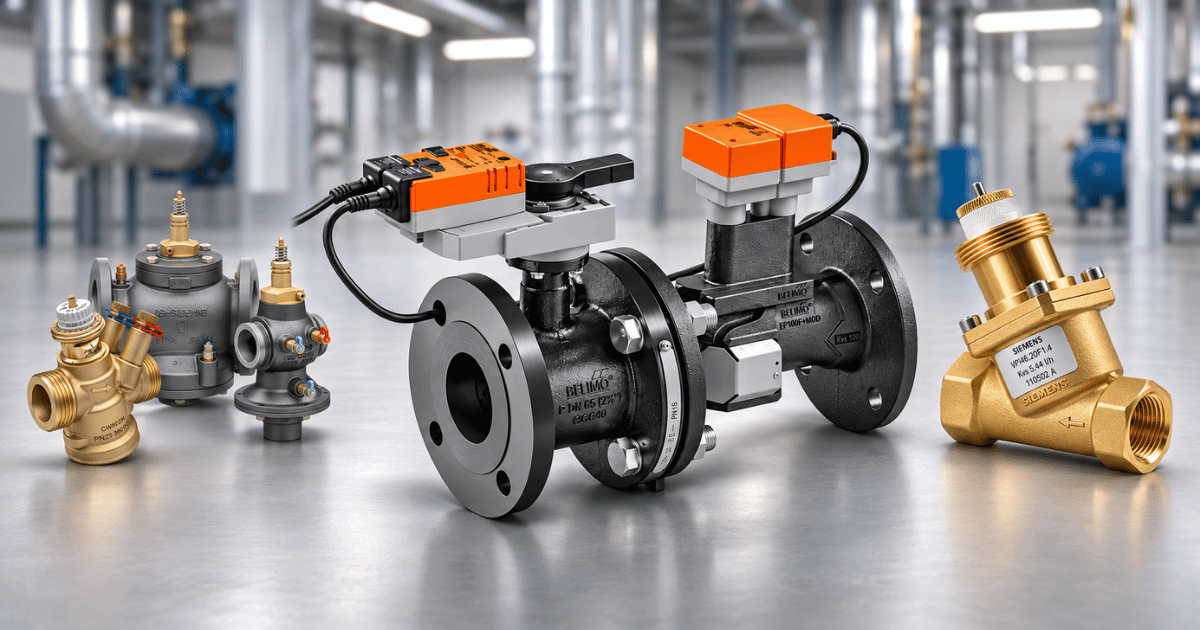
A PICV, or pressure independent control valve, combines a flow limiter and a modulating control valve in one body, holding flow constant regardless of pressure changes elsewhere in the system. This differs from a traditional two port valve, which requires the wider system to be properly hydraulically balanced to perform reliably.
-
3 Nov
 Read more »
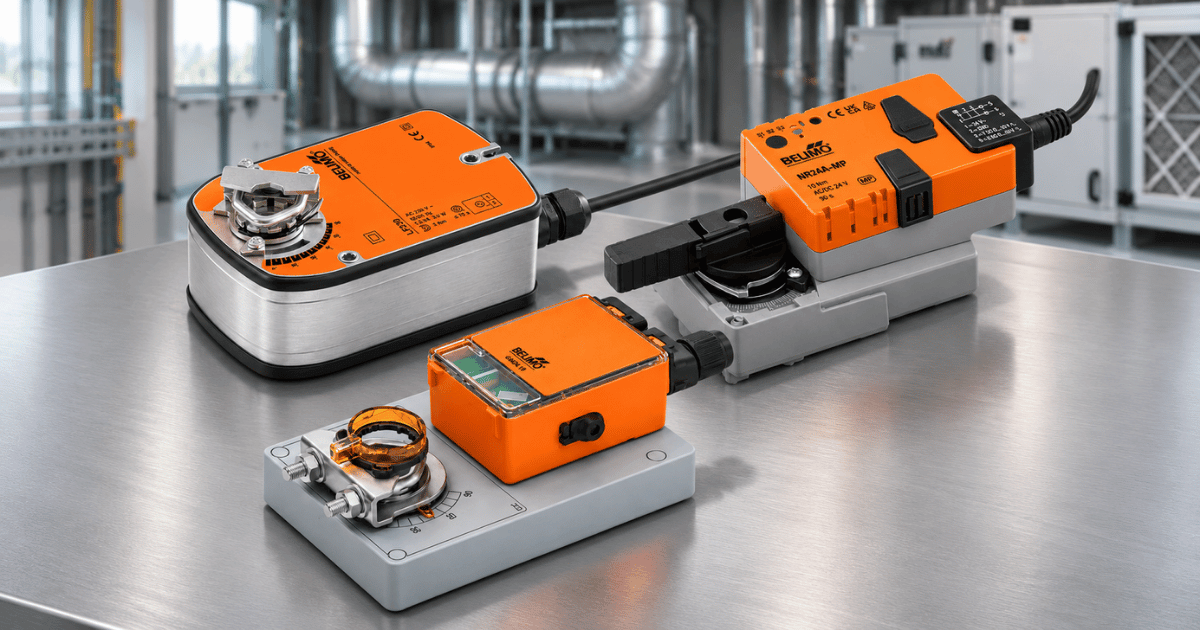
The choice of an appropriate HVAC actuator is dependent on three factors, which include torque rating, the voltage, and the control signal types. The error in any of these three factors will ensure malfunctioning or failure of the actuator even if the choice was seemingly good.
-
2 Nov
 Read more »
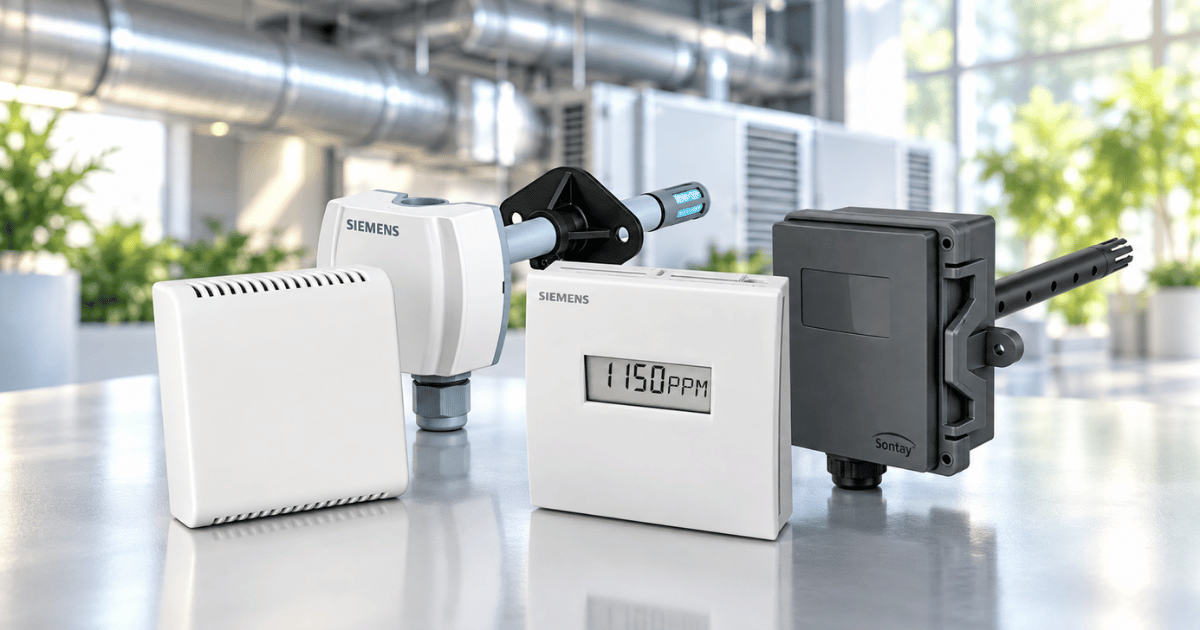
CO2 sensor is an instrument that measures the level of carbon dioxide in the atmosphere and is a vital component of demand controlled ventilation, which means the building will provide just the right amount of fresh air as needed by the actual occupancy and not on a pre-set schedule.
-
1 Nov
 Read more »
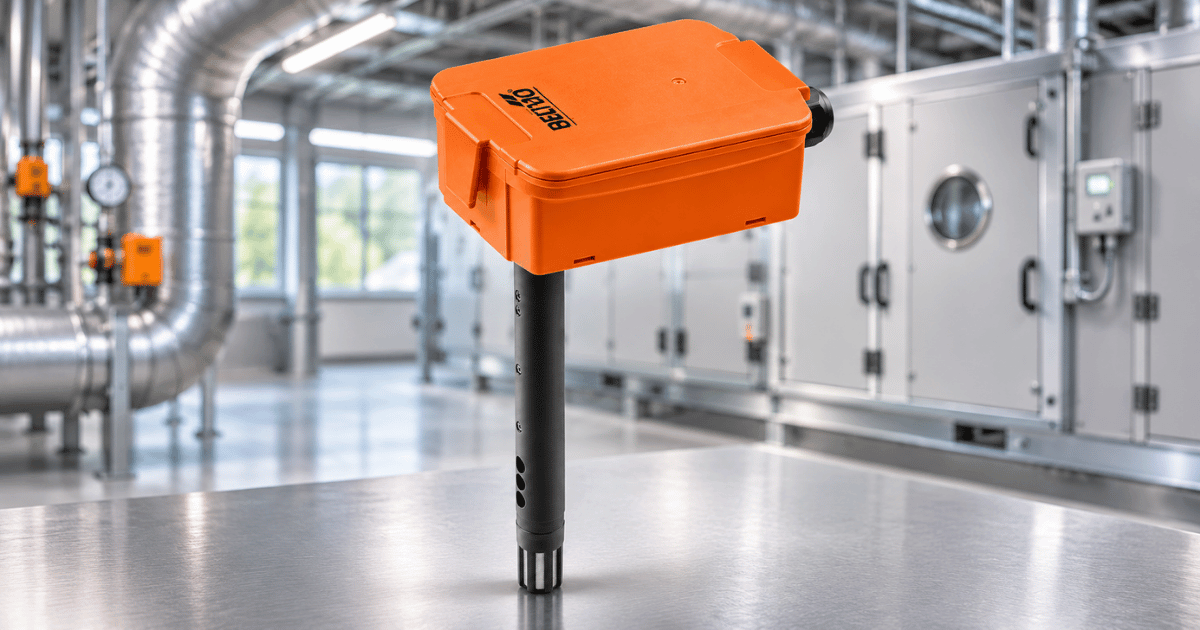
Humidity sensors detect the amount of water vapour in the air and return the value to the building management system or humidifier, thereby enabling buildings to maintain an optimal level of humidity. It is equally important to select the proper sensor and location for accurate readings.
Recent Posts
-
Boiler Sequencing Explained: How BMS Optimises Multiple Boiler Systems
November 10, 2026
-
Air Flow Sensor Not Reading Correctly? Common VAV Faults and Fixes
November 8, 2026
-
Pressure Independent Control Valves Explained: PICVs versus Traditional Valves
November 4, 2026
-
How to Choose an HVAC Actuator: Torque, Voltage and Signal Type Explained
November 3, 2026
-
CO2 Sensors Explained: Demand Controlled Ventilation for Better Air Quality
November 2, 2026