
What Our Customers Are Saying
Boiler Sequencing Explained: How BMS Optimises Multiple Boiler Systems
10
Nov
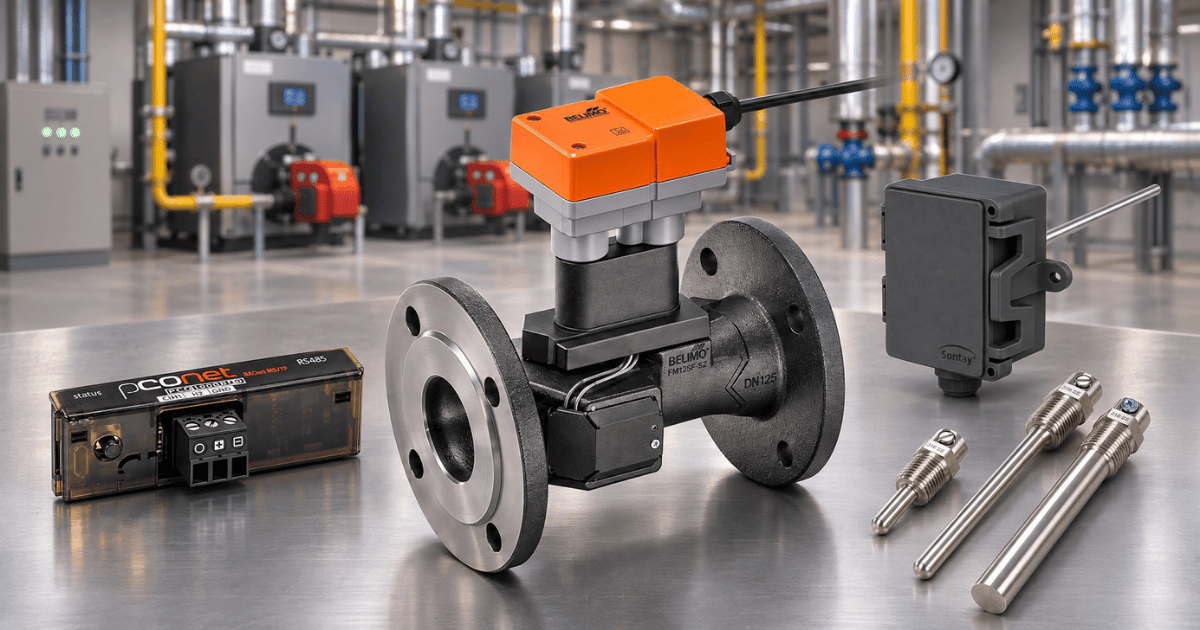
Boiler sequencing is how a BMS runs multiple boilers together, staging them on and off to match actual heating load rather than running one large boiler at part load continuously. This improves efficiency, gives the plant built in redundancy, and spreads wear evenly across the installed boilers.
What Is Boiler Sequencing
Rather than installing one large boiler sized for peak demand and running it at part load most of the time, many commercial buildings install several smaller boilers and sequence them, bringing additional boilers online only as load actually increases. This keeps each running boiler closer to its efficient operating range rather than throttled well below capacity.
Why Sequence Boilers
Efficiency improves because boilers generally run most efficiently closer to their rated output rather than heavily throttled at part load. Redundancy is built in automatically, since the failure of one boiler in a sequenced group still leaves the remaining boilers able to meet at least part of the load. Even wear across the plant follows from rotating which boiler leads the sequence, rather than always relying on the same single unit.
Common Sequencing Techniques
Lead-lag rotation strategy involves naming one boiler as the lead boiler while the remaining boilers will be lag boilers. The lag boilers are introduced as the load increases and periodically the lead boiler is rotated. Equal run hours rotation monitors the number of hours that each boiler has been operated. Load based staging brings boilers on and offline purely based on measured heating demand, independent of run hour balancing, prioritising efficiency over even wear.
Sensors and Controls Involved
Flow temperature sensors confirm the heating circuit is delivering the correct temperature as boilers stage on and off. Outdoor temperature sensors feed into weather compensation, covered in our BMS heating controls guide, adjusting the overall flow temperature target the sequencing strategy works towards. The BMS logic itself ties these readings together, deciding which boiler to stage next and when.
Integrating Boiler Sequencing with the Wider BMS
Boiler sequencing does not operate in isolation. It works alongside the wider heating strategy covered in our BMS heating controls guide and the broader plant control principles set out in our BMS in HVAC guide, with sequencing logic simply being one specific application of the same sensor, controller, actuator loop used throughout the BMS.
Common Sequencing Faults
A boiler that will not stage in or out correctly often points to a fault in the enable signal from the BMS or a fault in the boiler's own internal controls rather than the sequencing logic itself. Uneven run hours within the plant even though there is a rotation policy programmed into the system is an indication that the rotation policy has not been implemented properly or there is a malfunction causing failure to put a boiler into operation.
Frequently Asked Questions
What is the difference between boiler sequencing and cascade control?
The terms are often used interchangeably, though cascade specifically tends to refer to boilers of the same type and size staged purely by load, while sequencing more broadly includes rotation strategies designed to balance run hours as well as meet load.
What is the number of boilers in the sequencing system?
It depends completely on the size of the building and heating load requirements; however, in commercial installations, the number of boilers used in the sequencing process varies from two to six.
How are run hours balanced across sequenced boilers?
The BMS tracks running time on each boiler and rotates which unit leads the sequence, or which unit is prioritised to be brought online next, to keep total run hours roughly even across the plant.

Recommended Products
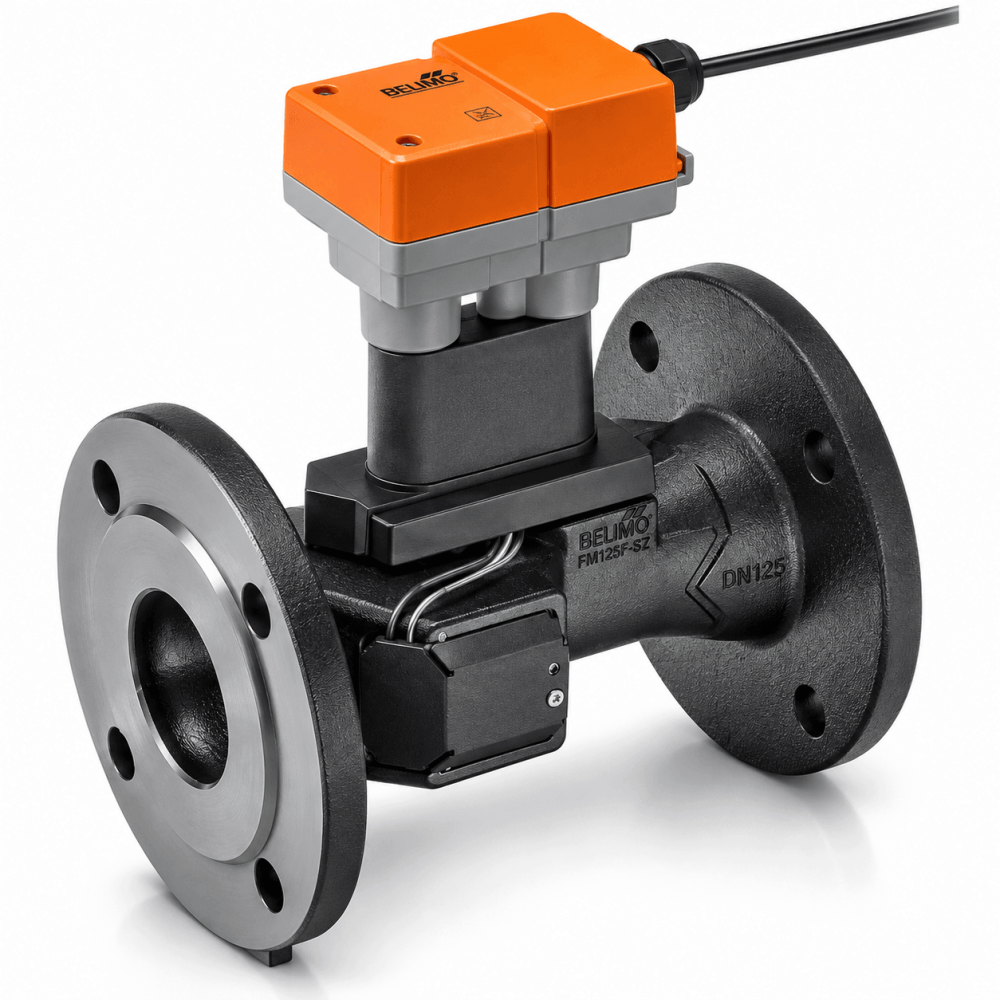
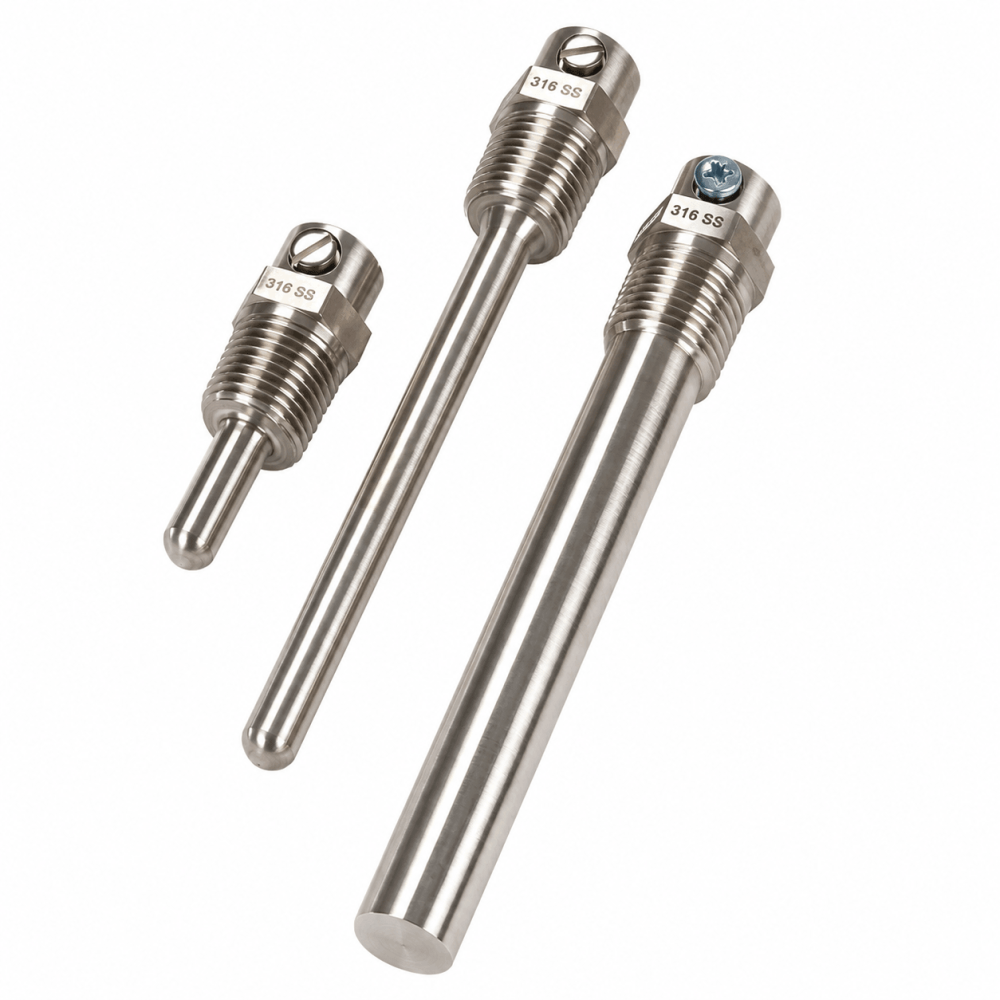
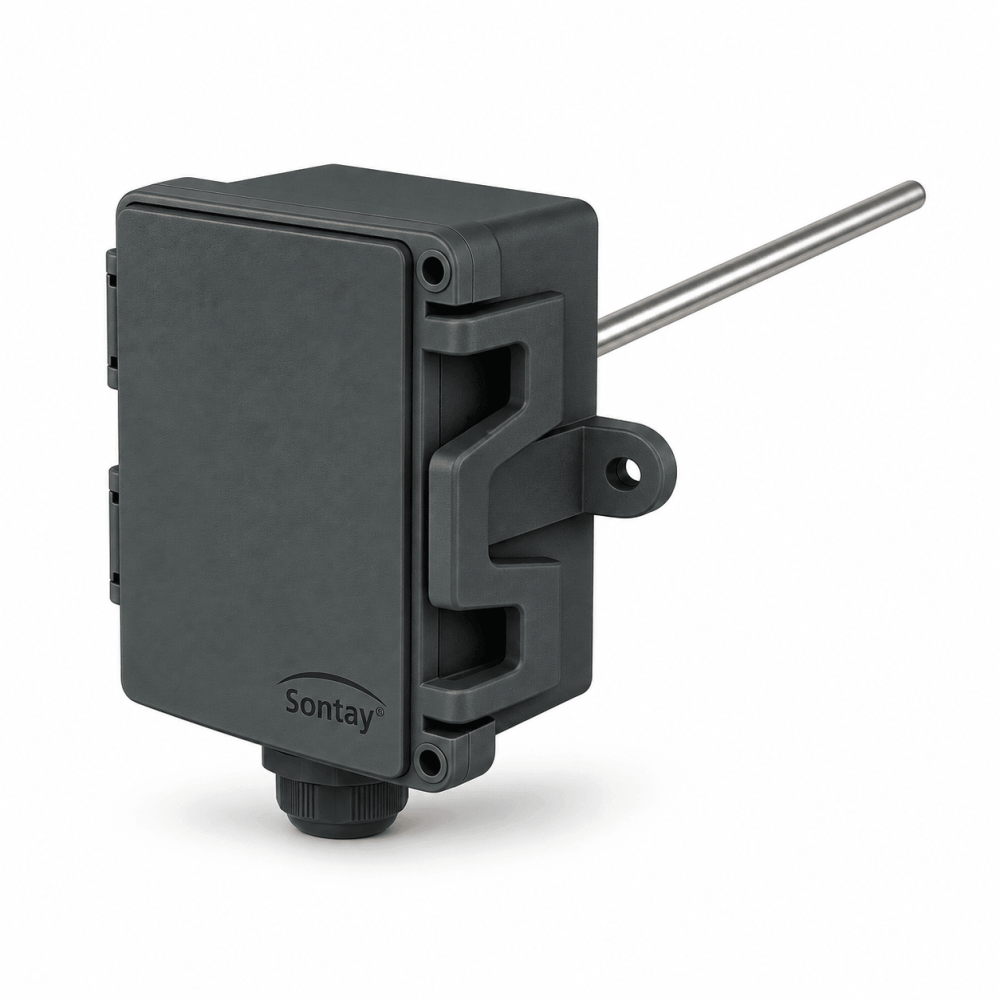
Flow temperature sensing for sequenced boiler circuits is typically handled by immersion sensors such as the Sontay TT-I range, fitted directly into the pipework via a stainless steel pocket. Weather compensation relies on an outside air temperature sensor, with Siemens, Sontay, and Belimo options stocked across NTC, PT100, and 0 to 10V outputs. The sequencing logic itself sits on a programmable controller, and the Carel pCO5+ range is a common choice for BMS integrators needing Modbus or BACnet connectivity alongside multiple configurable analogue inputs.
Browse boiler sequencing controls and sensors at iACS Store.
Comment(s)
Recent Posts
-
Boiler Sequencing Explained: How BMS Optimises Multiple Boiler Systems
November 10, 2026
-
Air Flow Sensor Not Reading Correctly? Common VAV Faults and Fixes
 November 8, 2026
-
Pressure Independent Control Valves Explained: PICVs versus Traditional Valves
 November 4, 2026
-
How to Choose an HVAC Actuator: Torque, Voltage and Signal Type Explained
 November 3, 2026
-
CO2 Sensors Explained: Demand Controlled Ventilation for Better Air Quality
 November 2, 2026