
What Our Customers Are Saying
CO2 Sensors Explained: Demand Controlled Ventilation for Better Air Quality
2
Nov
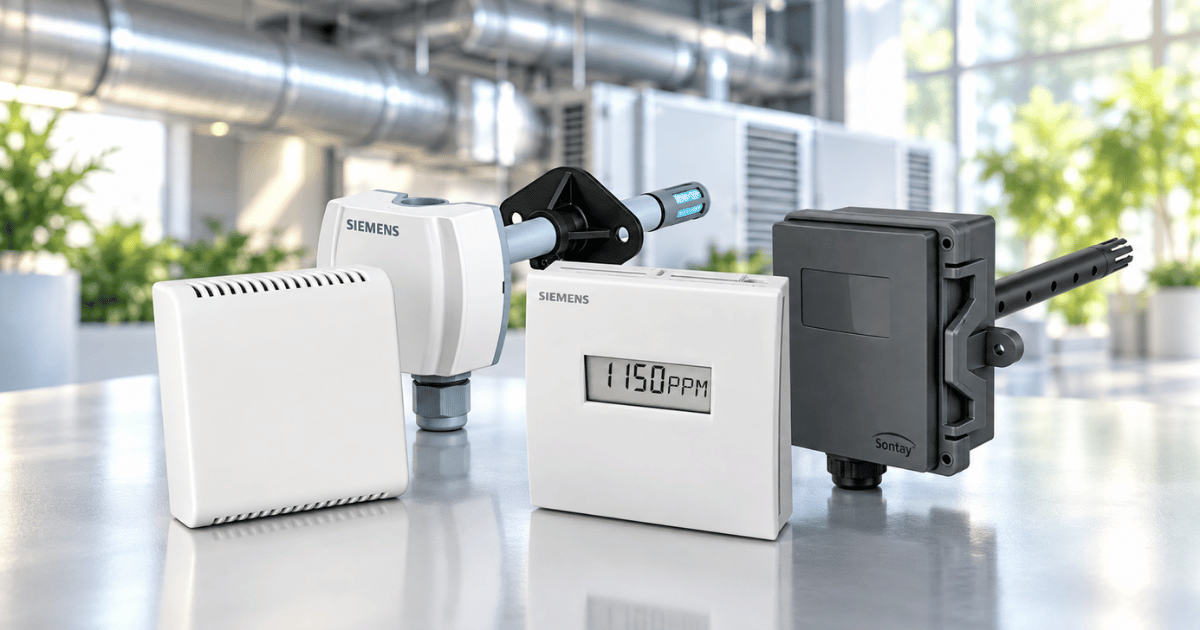
CO2 sensor is an instrument that measures the level of carbon dioxide in the atmosphere and is a vital component of demand controlled ventilation, which means the building will provide just the right amount of fresh air as needed by the actual occupancy and not on a pre-set schedule.
Why Monitor CO2 in Buildings
The amount of CO2 is directly proportional to the number of people in a room, making it an accurate measure of the occupancy of that room as well as an accurate measure of air quality. High CO2 concentrations are associated with lack of concentration and discomfort.
What Is Demand Controlled Ventilation
Demand controlled ventilation adjusts the fresh air supply rate based on measured CO2 levels rather than running ventilation on a fixed schedule regardless of actual occupancy. This means a meeting room used intermittently receives full ventilation only when it is actually busy, rather than running at maximum ventilation rate throughout the working day.
How a CO2 Sensor Works
Most HVAC CO2 sensors use non dispersive infrared measurement, detecting how much infrared light of a specific wavelength is absorbed by CO2 in a small sample chamber, a reliable and widely used technology across the industry.
Where CO2 Sensors Are Installed
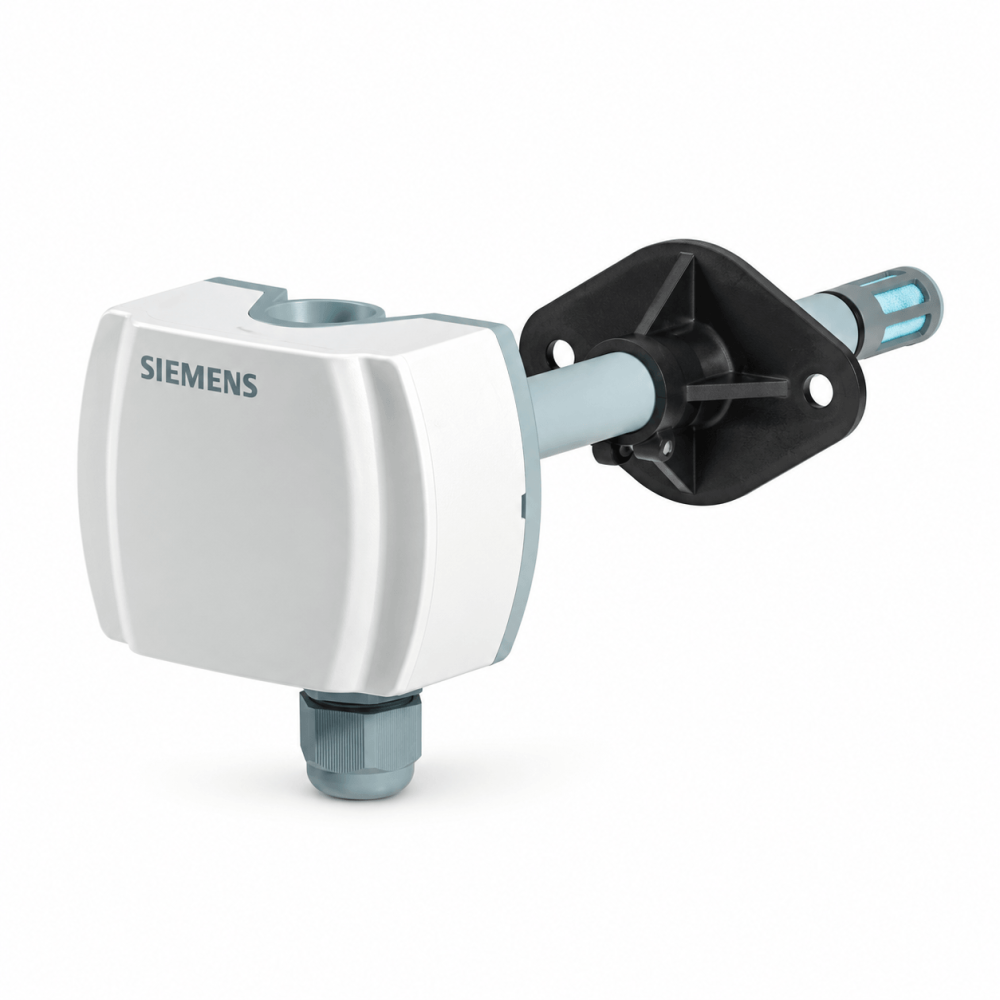
Room mounted sensors give a direct reading of occupied space conditions and are common in meeting rooms, classrooms and open plan offices. Duct sensors are used to determine CO2 concentration in return air; this is helpful in instances where only one measurement is needed to reflect the larger area. Combined sensors that have the capability to take measurements of temperature, humidity, and CO2 in one package are becoming more widespread.
Connecting a CO2 Sensor to a BMS
The BMS reads the CO2 signal and adjusts ventilation rate, typically by modulating a damper or fan speed, against a programmed set point, integrating with the wider control strategy covered in our BMS in HVAC guide.
Energy Savings from Demand Controlled Ventilation
Since the ventilation process in itself consumes a great deal of energy to heat or cool the intake of fresh air, especially in winter or summer, the lowering of the ventilation rate during periods when the occupancy level is low helps to conserve energy.
FAQ’s
What is considered a normal indoor CO2 level?
The outdoor CO2 level can range from 400 to 450 parts per million, while the indoor CO2 level of a well-ventilated and occupied area should be kept under 1000 parts per million.
How does demand controlled ventilation save energy?
This helps save energy that would have been used to heat or cool the incoming fresh air because the system does not have to ventilate at a constant rate irrespective of the number of people present.
How often should a CO2 sensor be calibrated?
This varies by manufacturer, but many CO2 sensors are recommended for calibration checks every one to two years to maintain measurement accuracy.
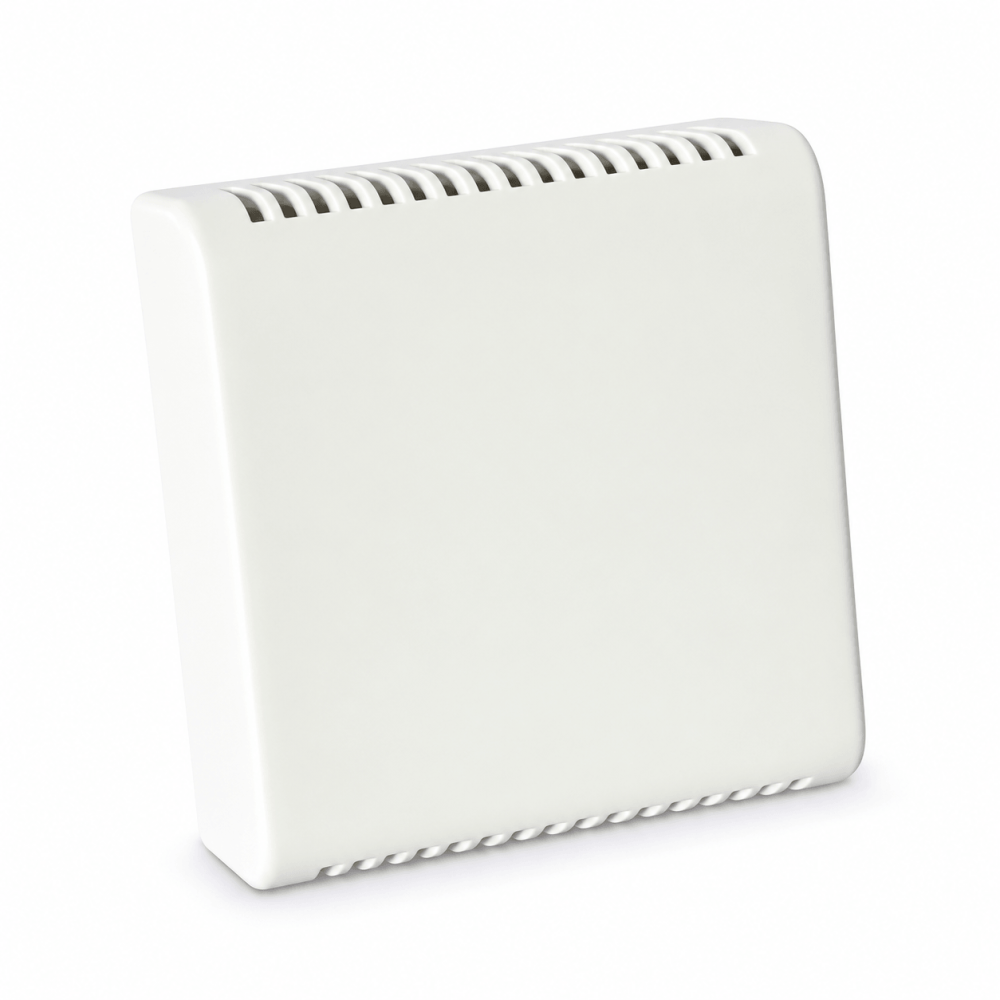
Featured CO2 Sensors at iACS
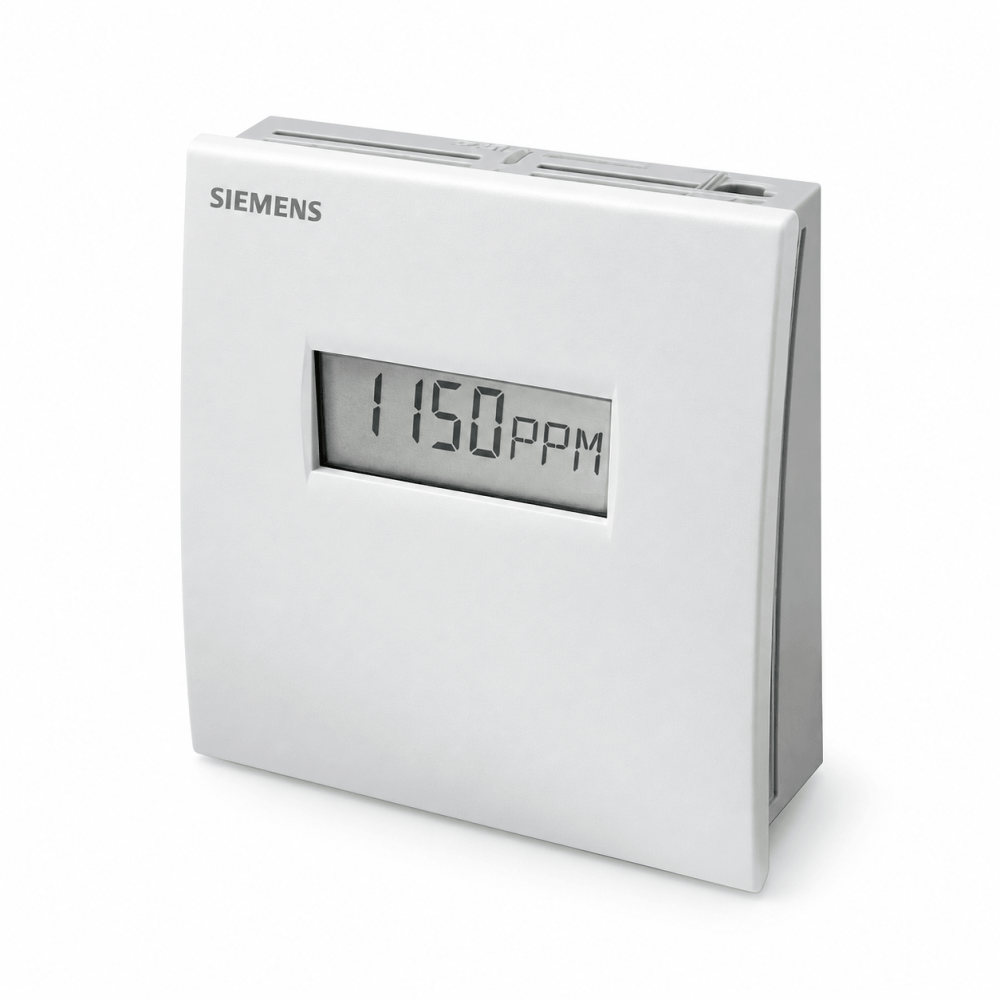
For room applications, the Sontay GS-CO2-S-UN offers wall mounted CO2 and temperature sensing, built in the UK with a 0 to 2000ppm range. The Siemens QPA2002D adds a display and combined CO2/VOC monitoring where enhanced room comfort control is needed.
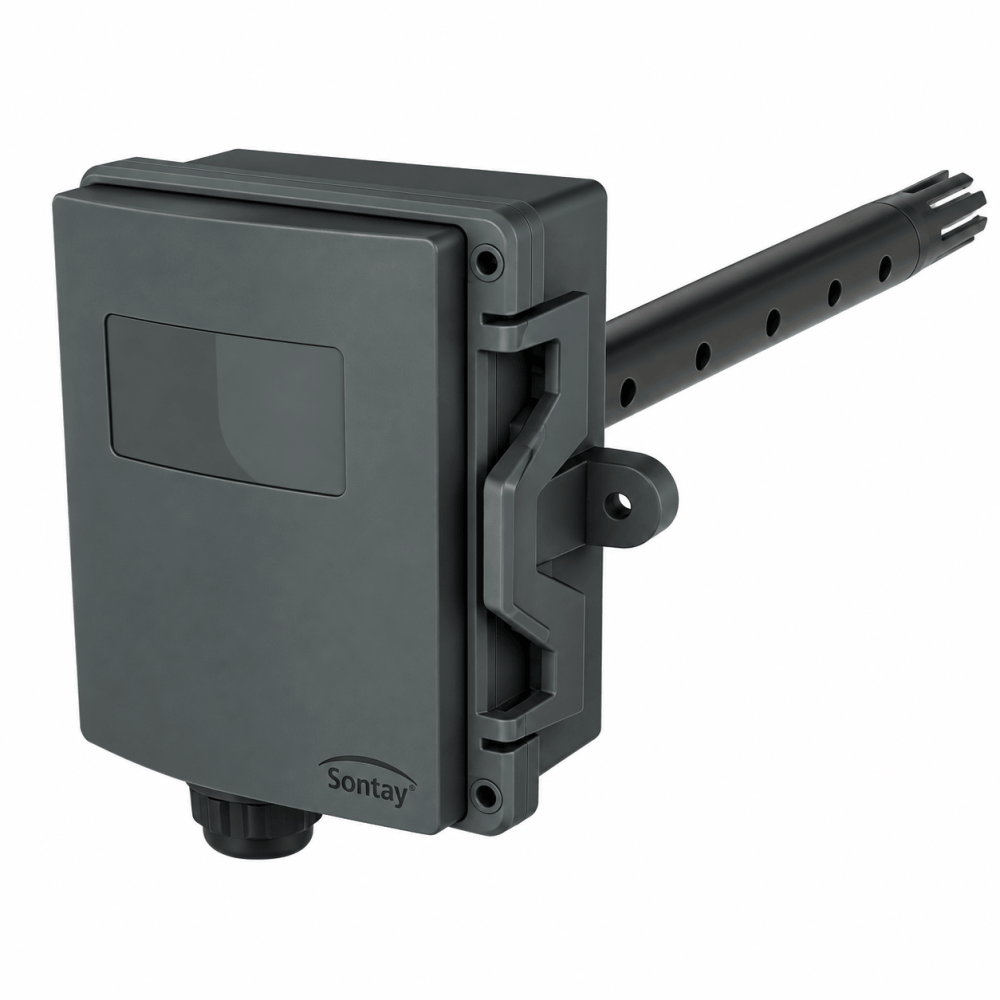
For duct mounted sensing, the Siemens QPM2100 measures CO2, VOC, humidity and duct air temperature from a single point. Where new cabling is impractical, the Titan TPZRCO2T provides wireless CO2 and temperature monitoring over Zigbee to a TPZ-Net coordinator, suited to retrofit projects.
Browse CO2 sensors for demand controlled ventilation at iACS Store.
Comment(s)
Recent Posts
-
How to Choose an HVAC Actuator: Torque, Voltage and Signal Type Explained
 November 3, 2026
-
CO2 Sensors Explained: Demand Controlled Ventilation for Better Air Quality
November 2, 2026
-
Humidity Sensors Explained: Types and Applications in HVAC
 November 1, 2026
-
Immersion versus Strap On versus Duct Temperature Sensors: Which Should You Choose
 October 26, 2026
-
Water Flow Switch Explained: How It Works and Common Faults
 October 21, 2026