
What Our Customers Are Saying
Humidity Sensors Explained: Types and Applications in HVAC
1
Nov
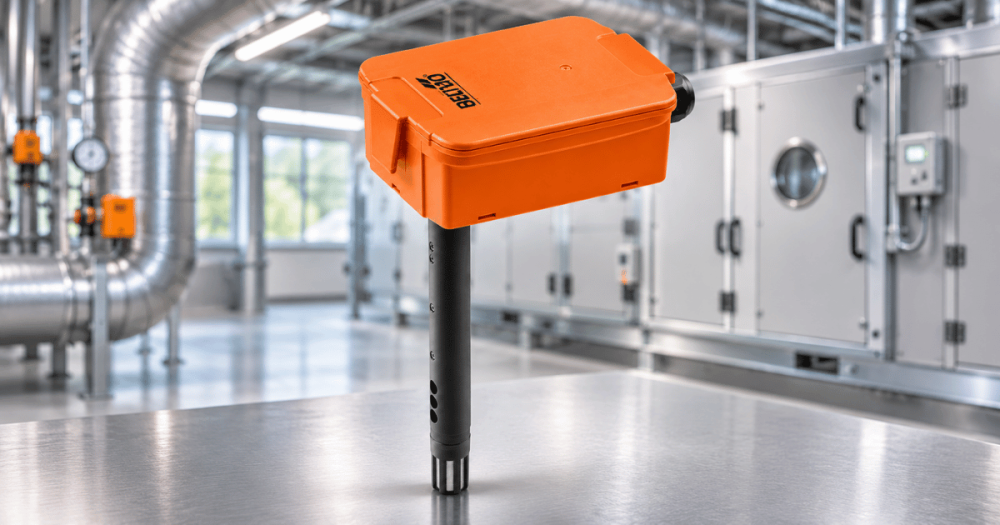
Humidity sensors detect the amount of water vapour in the air and return the value to the building management system or humidifier, thereby enabling buildings to maintain an optimal level of humidity. It is equally important to select the proper sensor and location for accurate readings.
Relative Humidity vs. Absolute Humidity
The relative humidity is expressed as a percentage of the total amount of moisture that the air can hold at a certain temperature, which is a measure mostly applied in the HVAC control since it determines the level of comfort. The absolute humidity is expressed as the actual weight of moisture held by the air irrespective of the temperature.
How a Humidity Sensor Works
Most HVAC humidity sensors use capacitive sensing, where a material's electrical capacitance changes predictably as it absorbs or releases moisture from the surrounding air, giving a reliable and widely used measurement technology across the industry.
Where Humidity Sensors Are Fitted
Duct mounted sensors measure supply or return air humidity centrally within an air handling system. Room mounted sensors give a direct reading of occupied space conditions. Outdoor sensors measure ambient humidity, useful where outdoor conditions feed into a wider control strategy.
Humidity Control Strategies
A humidity sensor typically feeds a reading back to the BMS, which then modulates a humidifier, covered fully in our steam humidifier guide, to hold humidity within a target range, often alongside a high limit sensor further along the duct to guard against condensation risk from over humidification.
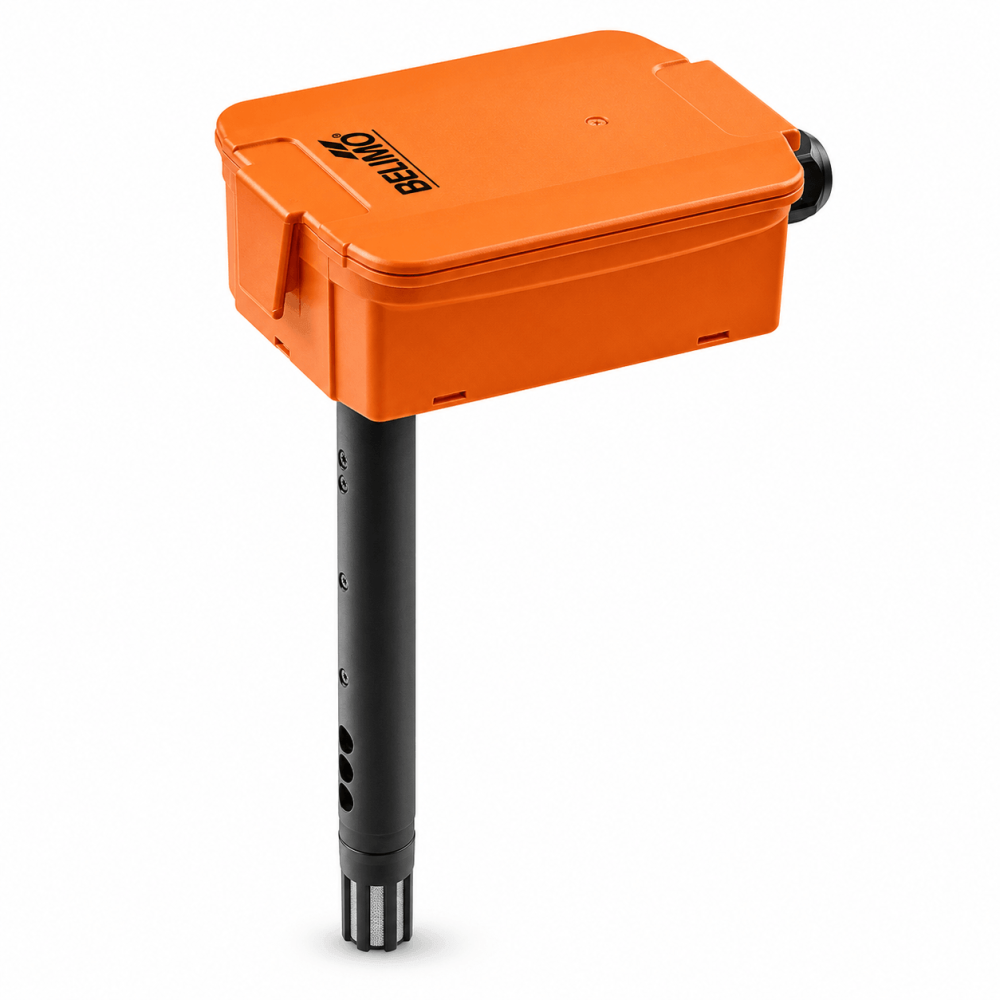
Selecting the Humidity Sensor
Range and accuracy need to be tailored for the application, and more precise sensors are generally required for specialised applications like museums and laboratories than standard office environment applications. Multi-sensor solutions can be selected where several sensors are required in the same area to cut down on costs and installations.
Frequently Asked Questions
What should be the optimum range of humidity indoors in an office building?
The range of relative humidity of about 40 to 60 percent is generally aimed at achieving comfort as well as minimising problems with dryness and condensation.
What distinguishes relative humidity from absolute humidity?
Relative humidity is measured in percentages that represent the amount of moisture in the air compared to how much moisture the air can hold when it is at a particular temperature.
How frequently does the humidity sensor require recalibration?
Calibration of humidity sensors is different for each brand and its particular use, but usually, humidity sensors require calibration every one or two years to ensure accuracy.
Shop humidity sensors for HVAC and BMS integration at iACS Store.
Comment(s)
Recent Posts
-
How to Choose an HVAC Actuator: Torque, Voltage and Signal Type Explained
 November 3, 2026
-
CO2 Sensors Explained: Demand Controlled Ventilation for Better Air Quality
 November 2, 2026
-
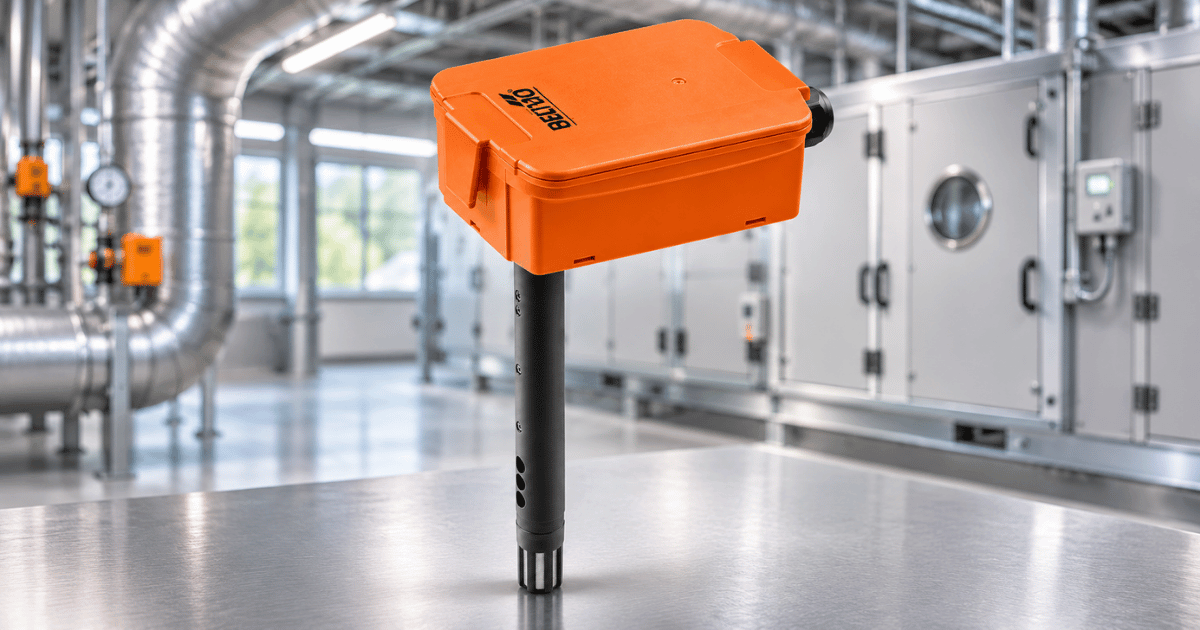
Humidity Sensors Explained: Types and Applications in HVAC
 November 1, 2026
-
Immersion versus Strap On versus Duct Temperature Sensors: Which Should You Choose
 October 26, 2026
-
Water Flow Switch Explained: How It Works and Common Faults
 October 21, 2026