
What Our Customers Are Saying
IP Ratings Explained: Choosing the Right Enclosure for HVAC Sensors
25
Oct
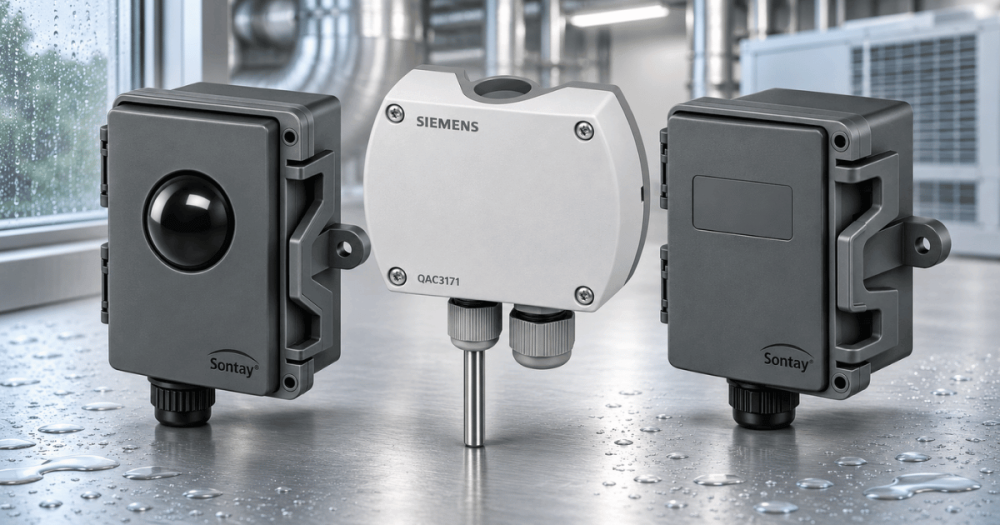
An IP rating refers to the protection level provided by an enclosure in terms of solids and liquids, which is usually two numbers following the letters "IP." Selecting the appropriate IP rating in line with the particular environment where the sensor or enclosure will operate be it a dry room, outdoors, or wet environment is very important.
What Does IP Stand For
IP stands for Ingress Protection, followed by two digits. The first digit describes protection against solid objects, ranging from large objects up to fine dust. The second digit describes protection against liquid ingress, ranging from dripping water up to full immersion.
Reading an IP Rating
IP20 offers basic protection against solid objects but no meaningful protection against liquid, suitable only for dry indoor locations. IP44 offers protection against small solid objects and splashing water from any direction, suitable for many indoor plant room applications. IP65 provides complete protection from dust and low-pressure water jets from any angle, and is usually used as the basic requirement for outdoor equipment. IP66 provides complete protection from dust and strong water jets, making it fit for exposed outdoor places or areas requiring cleaning with water jets.
Choosing the Right Rating by Environment
For an indoor plant room with no direct water exposure, IP44 is often sufficient. For an outdoor exposed location subject to rain and wind driven water, IP65 is a common baseline. For washdown or food grade environments where equipment is actively hosed down as part of cleaning, IP66 or higher is typically required.
IP Ratings on Common iACS Products
Sensors, actuators and enclosures across the iACS range are specified with a clear IP rating, and this figure should always be checked against the installation location before ordering, particularly for sensors such as those covered in our PT100 and immersion versus strap on sensor guides, which are frequently installed outdoors or in exposed plant areas.
Common Errors
Rating the device with a number that is too small for outdoor use is one of the most common reasons for early failures of either the sensor or its enclosure, as moisture will gradually damage the internal electronics, despite there being no obvious malfunction. IP rating should not be mistaken for waterproofing, because, in spite of high IP rating, the device only provides protection against certain testing criteria.
FAQ
What is the difference between IP65 and IP66?
Both provide protection against dust ingress but IP65 provides protection from low pressure water jets whereas IP66 provides protection from powerful water jets. Hence, IP66 will be more useful in washdown situations.
Is a high IP rating always a good idea?
No, because a high IP rating comes at a price and could affect certain aspects like ventilation of heat sensitive components. Hence, the IP rating has to suit the actual surroundings and not just the maximum available one.
What IP rating do I need for my outdoor sensor?
IP65 is normally considered adequate for outdoor usage and a higher rating like IP66 and above will be needed in case of more exposed surroundings.
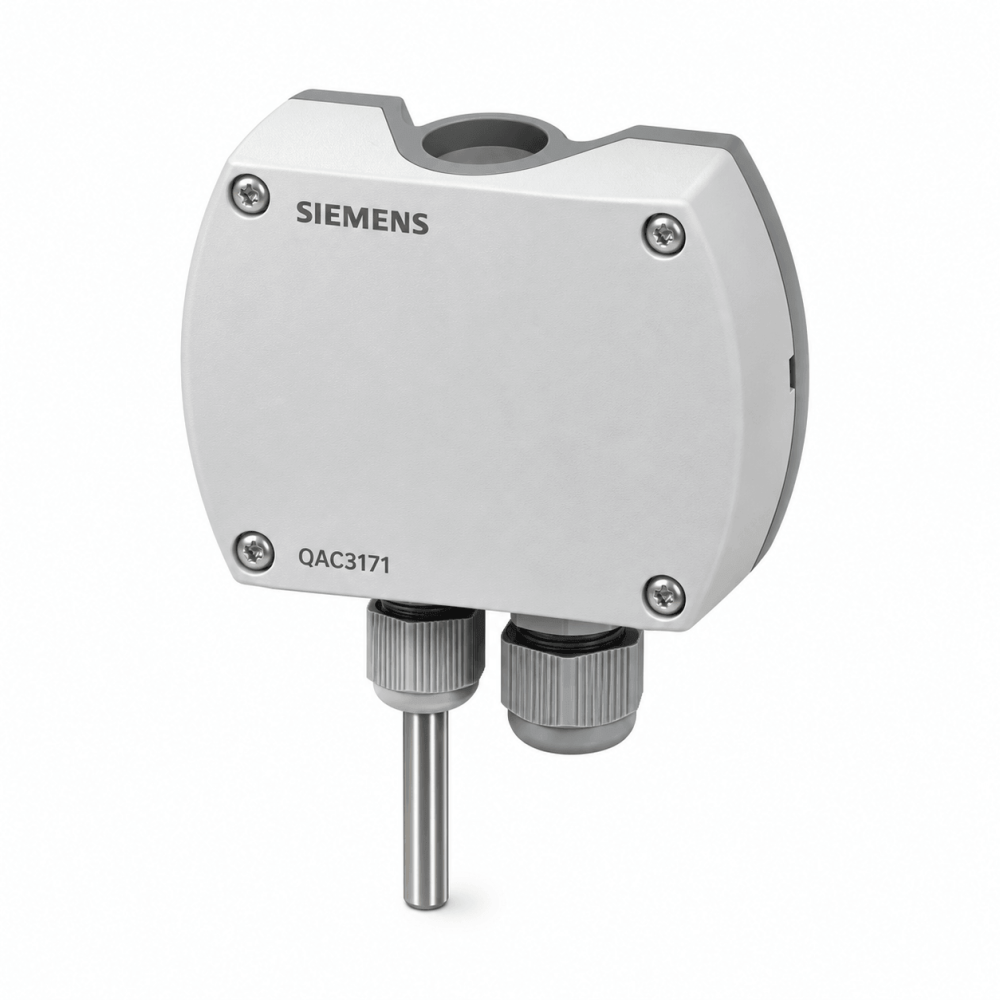
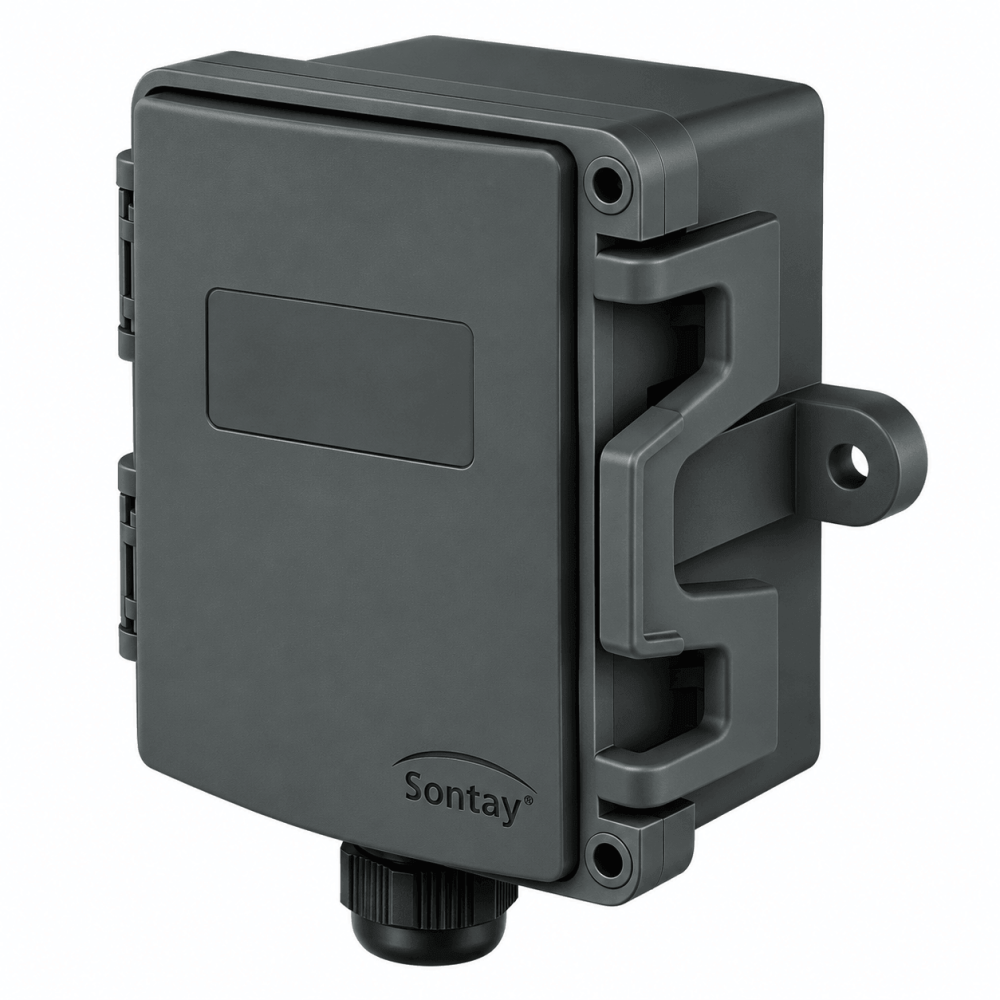
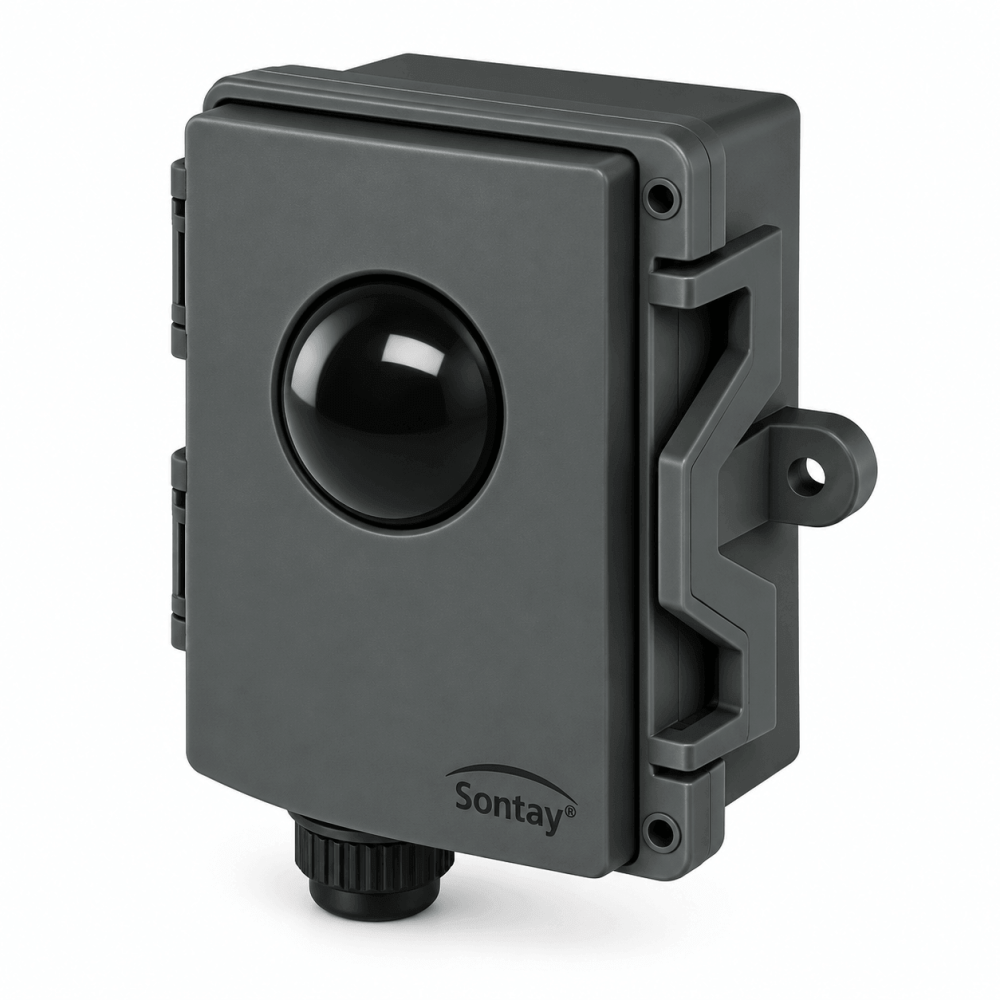
Recommended IP65-rated Outdoor Sensors
Some of the outdoor temperature sensors available in the iACS range have an IP65 rating as standard, so they can be considered as good starting points when designing for outdoor installations. One of such sensors is the Siemens QAC3171 which has a rating of IP65 and outputs signals in the range of 4-20mA from -50°C to +50°C. The Sontay TT-O-Y offers the same IP65 protection in a stainless steel housing, intended for mounting on a north facing wall away from direct sun. For sites needing to match an existing controls platform, the Axio AX-TE-Ox range provides IP65 housed outdoor sensors compatible with Carel NTC, Trend, Trane, Priva and Satchwell inputs, so replacements can be sourced without a full head end change. Where radiant heat rather than air temperature is the concern, the Sontay TT-EBB-D black bulb sensor is also IP65 rated and designed specifically for outdoor comfort temperature calculations. The full range can be filtered by IP rating on the Outside Air Temperature Sensors category page.
Browse sensors and enclosures with the right IP rating for your environment at iACS Store.
Comment(s)
Recent Posts
-
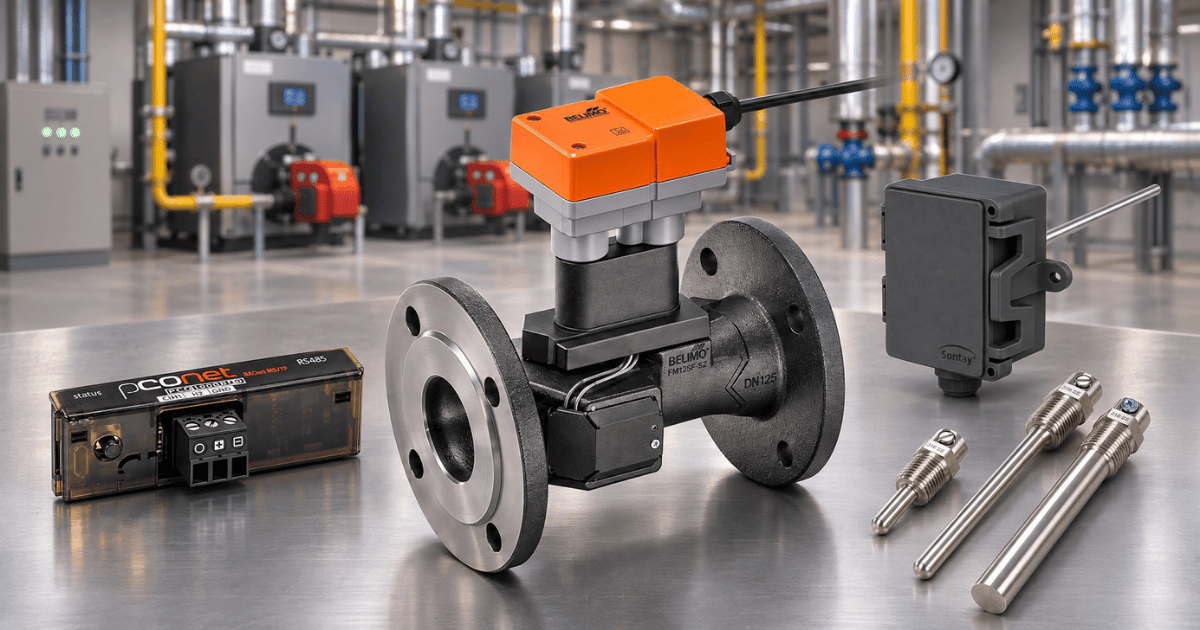
Boiler Sequencing Explained: How BMS Optimises Multiple Boiler Systems
 November 10, 2026
-
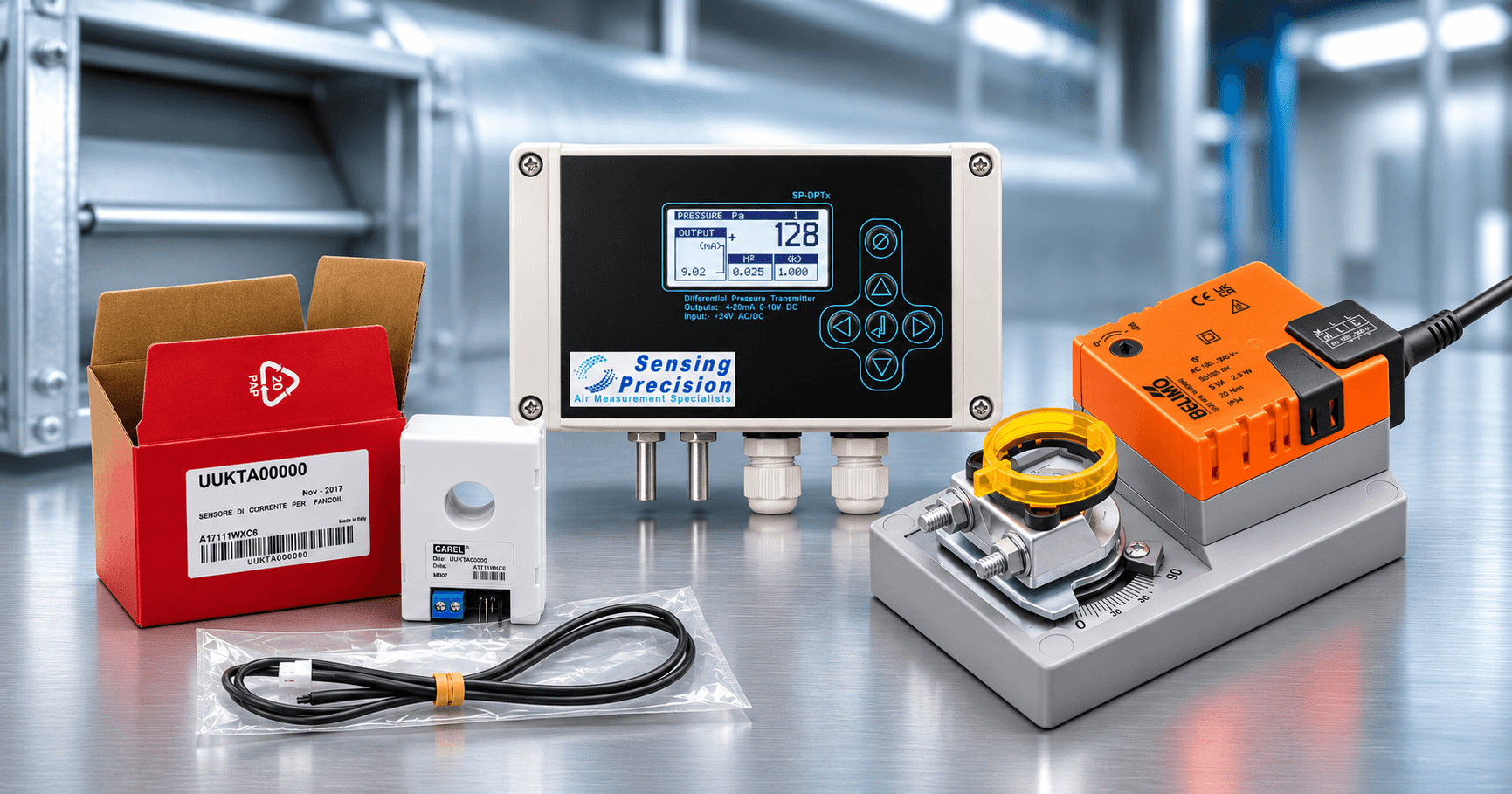
Air Flow Sensor Not Reading Correctly? Common VAV Faults and Fixes
 November 8, 2026
-
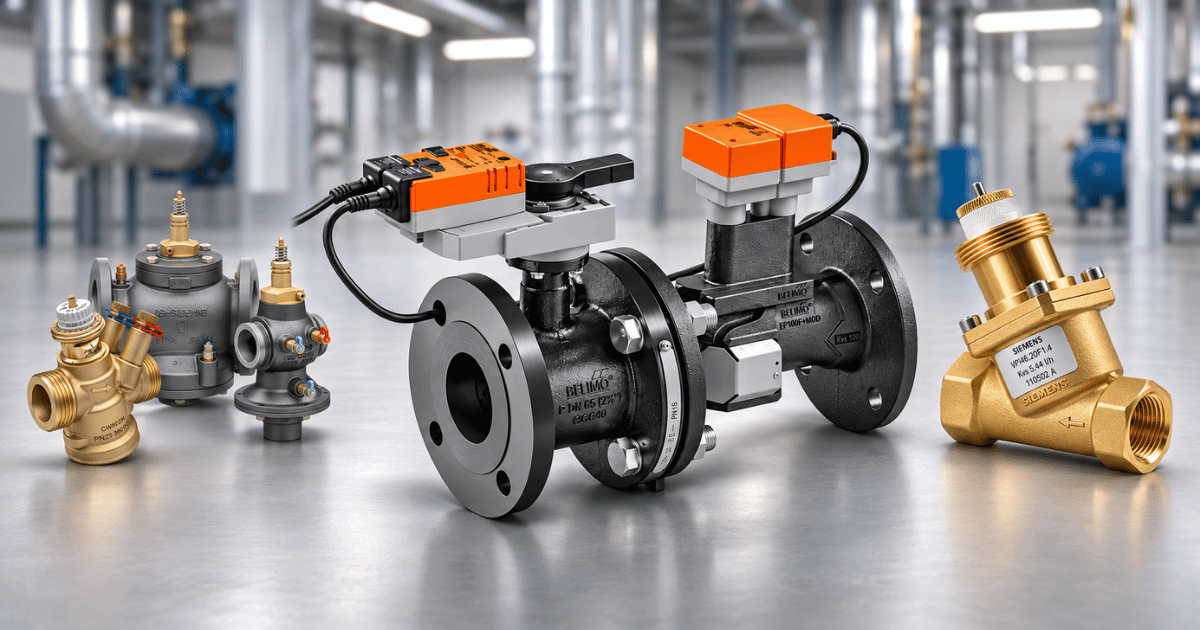
Pressure Independent Control Valves Explained: PICVs versus Traditional Valves
 November 4, 2026
-
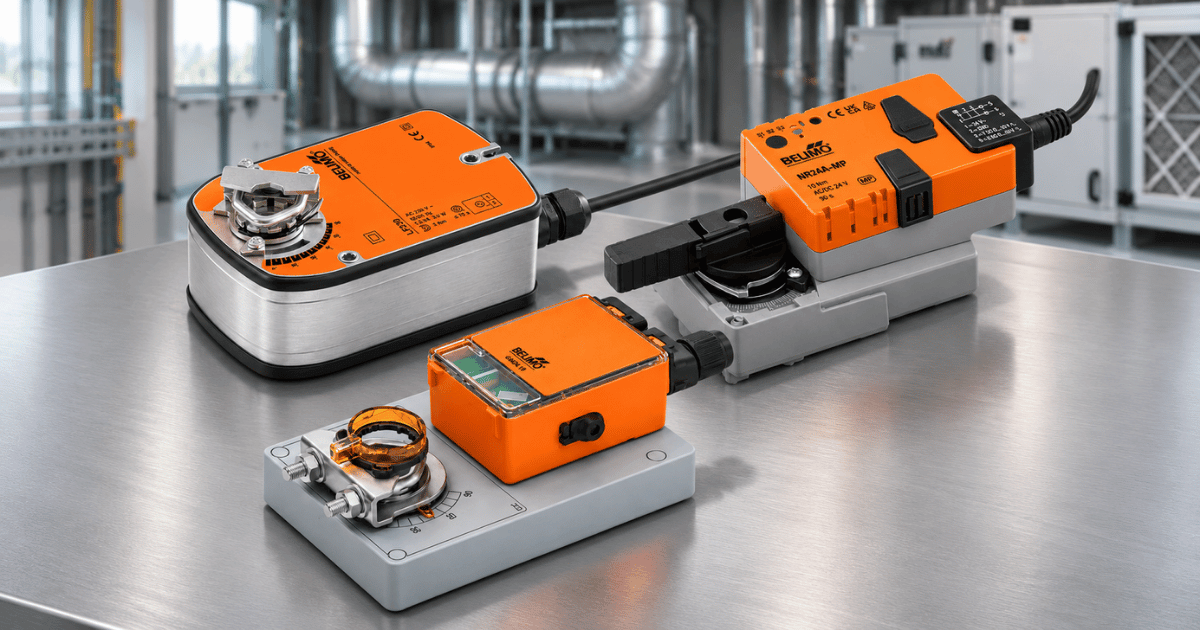
How to Choose an HVAC Actuator: Torque, Voltage and Signal Type Explained
 November 3, 2026
-
CO2 Sensors Explained: Demand Controlled Ventilation for Better Air Quality
 November 2, 2026