
What Our Customers Are Saying
Page 3 - Blog
-
6 May
 Read more »
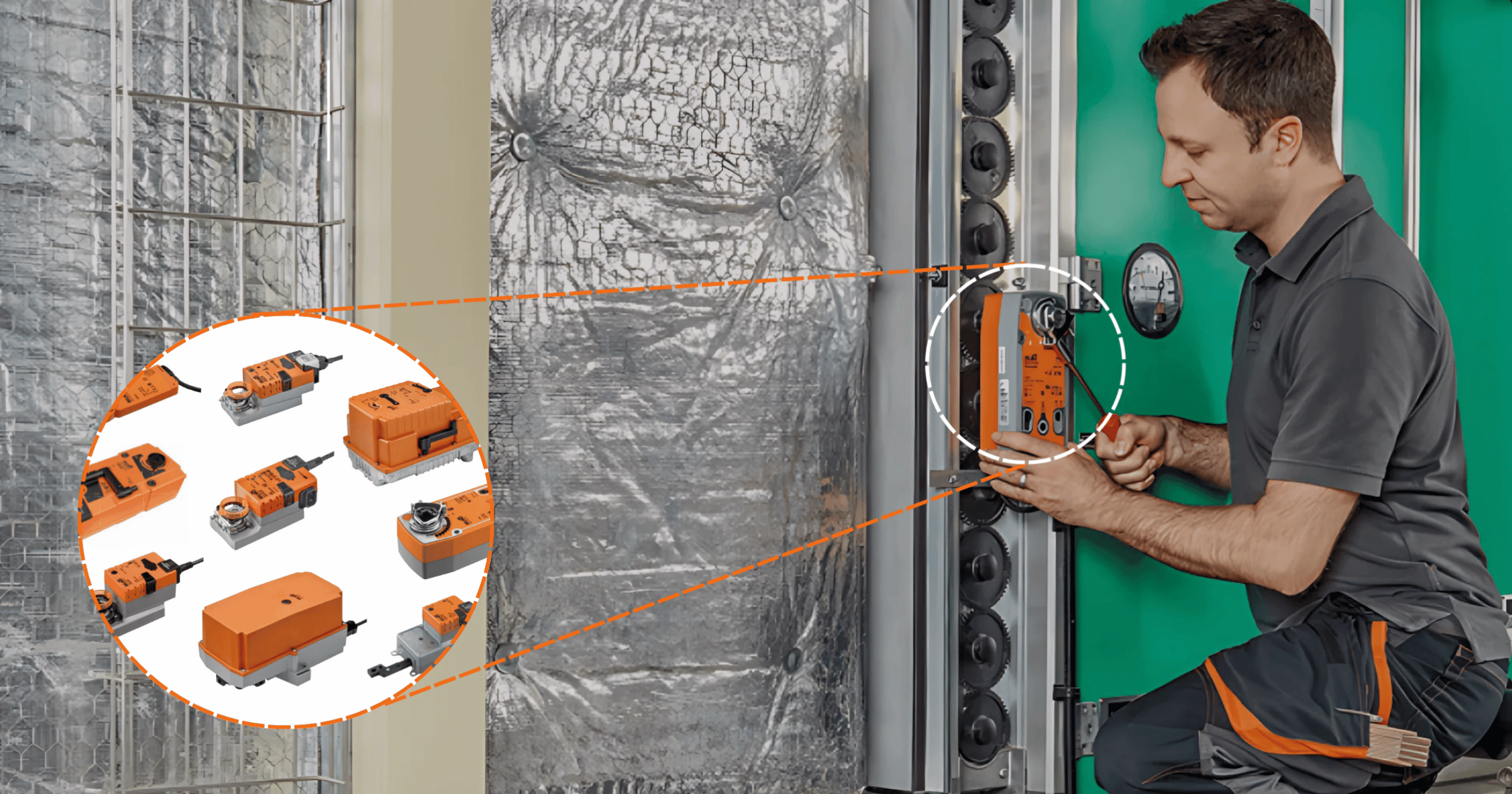
If you work in building services, facilities management, or HVAC installation, understanding controls is not optional — it is the difference between a system that runs efficiently and one that runs up energy bills and callbacks. This guide covers everything: what HVAC controls are, how they work, the components involved, how they communicate, and how to select the right controls for your application.
-
4 May
 Read more »
Thyristor power controllers and solid state relays (SSRs) are the preferred method of controlling resistive heating loads in HVAC applications — from AHU electric heating coils and duct heaters to humidifier heating elements and heat trace systems. They offer smooth, stepless power control without the mechanical wear and contact bounce associated with electromechanical contactors.
-
1 May
 Read more »
Variable speed drives (VSDs, VFDs, inverters, or frequency drives — the terms are used interchangeably) are one of the highest-impact energy saving measures available in commercial HVAC. A correctly specified VFD on a supply air fan or chilled water pump can reduce energy consumption by 40–60% compared to fixed-speed operation. Getting the selection right is straightforward if you follow a systematic approach.
-
29 Apr
 Read more »
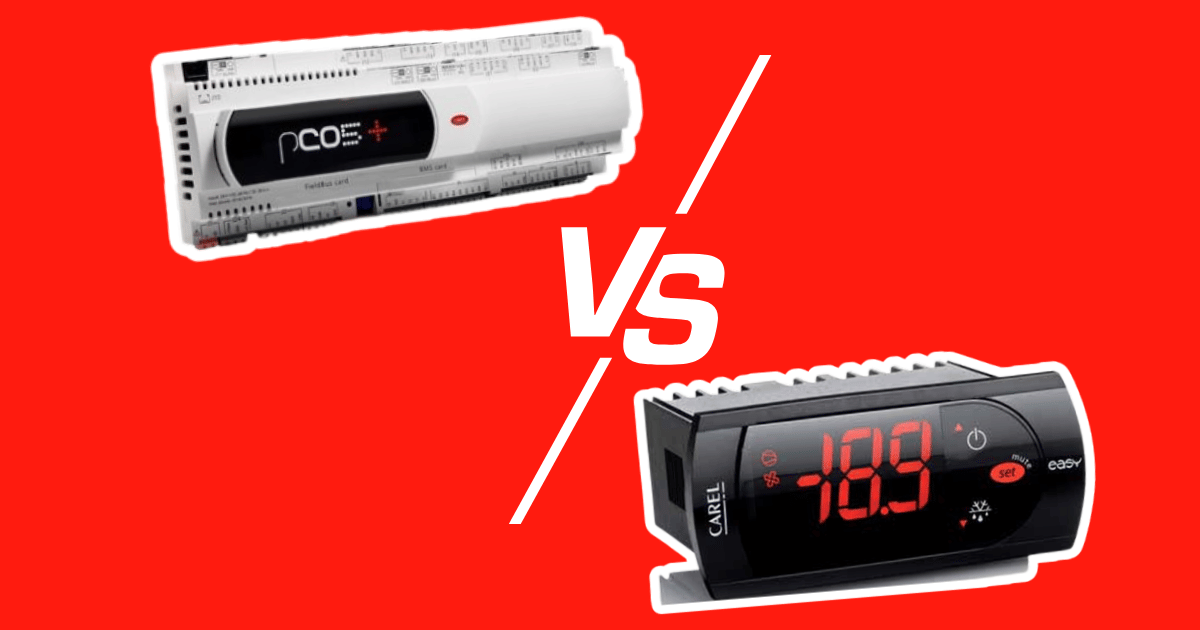
Carel is one of the world's leading manufacturers of controllers, humidifiers, and electronic components for HVAC/R and refrigeration applications. iACS has stocked and supported the Carel range since 2011 and holds one of the most comprehensive Carel inventories in the UK. This guide covers the key Carel controller families, their applications, and how to select the right model.
-
27 Apr
 Read more »
Planned preventative maintenance (PPM) of HVAC controls is one of the most cost-effective investments a facilities team can make. A controls fault that goes undetected can run a system incorrectly for months — wasting energy, causing discomfort, and building towards a more expensive breakdown. This checklist covers everything that should be inspected, tested, and documented on a typical HVAC controls PPM visit.
-
22 Apr
 Read more »
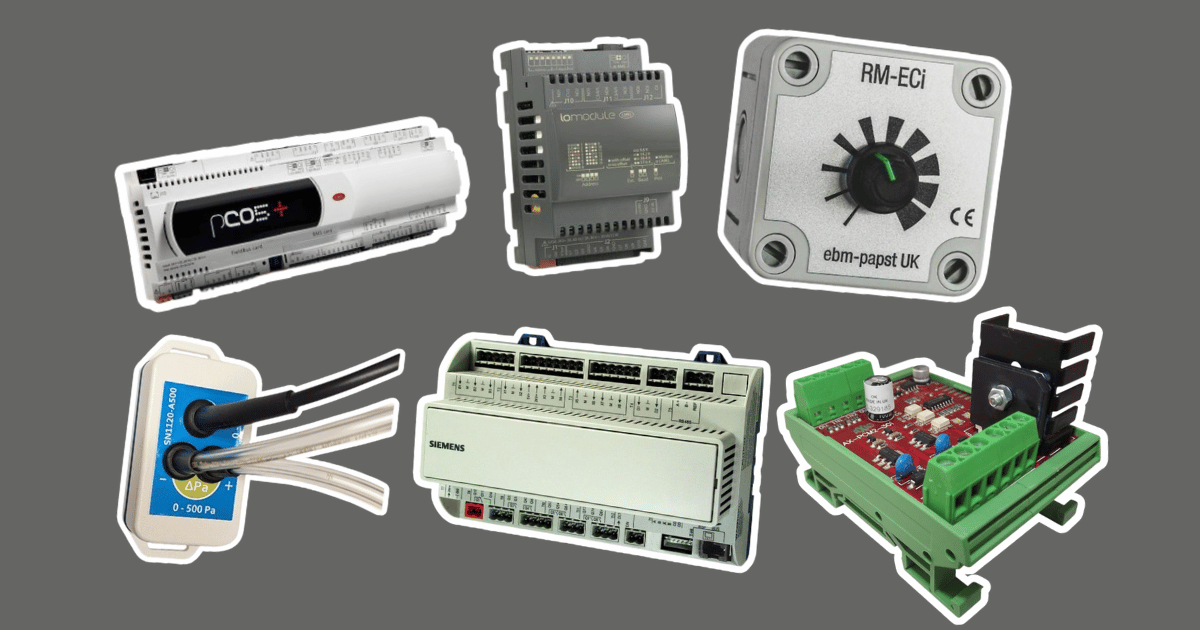
The term Building Management System gets used loosely — sometimes to mean a simple time clock and thermostat setup, sometimes to describe a sophisticated, multi-protocol, enterprise-level monitoring platform. This guide explains what a BMS actually is, what it does, how it integrates with HVAC field devices, and when your project needs one.
-
22 Apr
 Read more »
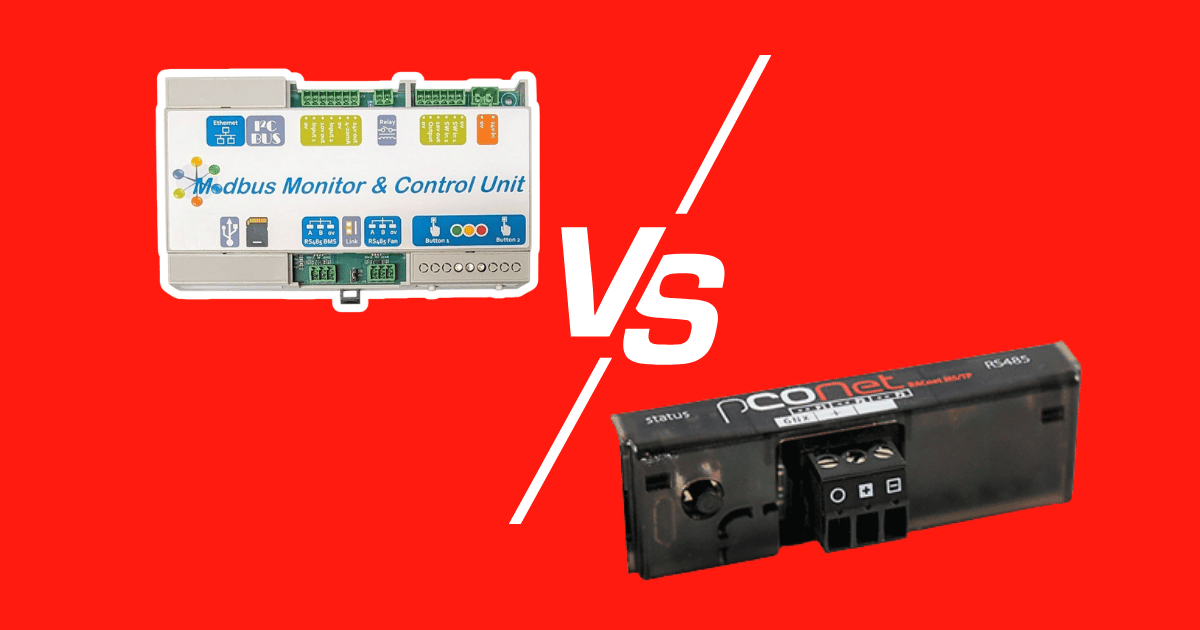
If you are specifying a new HVAC controls system or integrating new equipment into an existing installation, the choice of communication protocol will define what is possible, what is practical, and what will cost you time on site. BACnet and Modbus are the two protocols you will encounter in almost every commercial HVAC project. This guide explains both clearly, compares them honestly, and tells you which to use when.
-
20 Apr
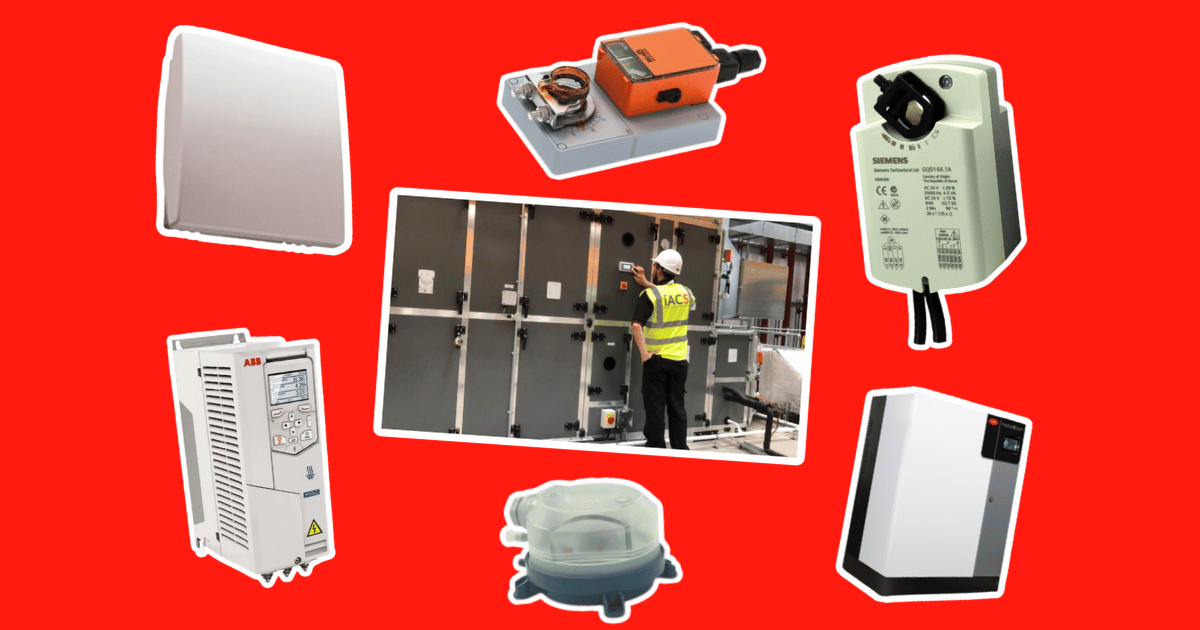 Read more »
An air handling unit (AHU) is the central hub of a mechanical ventilation system — the piece of equipment that conditions and distributes air throughout a building. Understanding how AHU controls work is fundamental for anyone specifying, installing, or commissioning HVAC systems.
This guide covers the anatomy of a typical AHU, the control components used at each stage, sensor placement, actuator and drive selection, and the commissioning steps that ensure the system operates as designed.
-
17 Apr
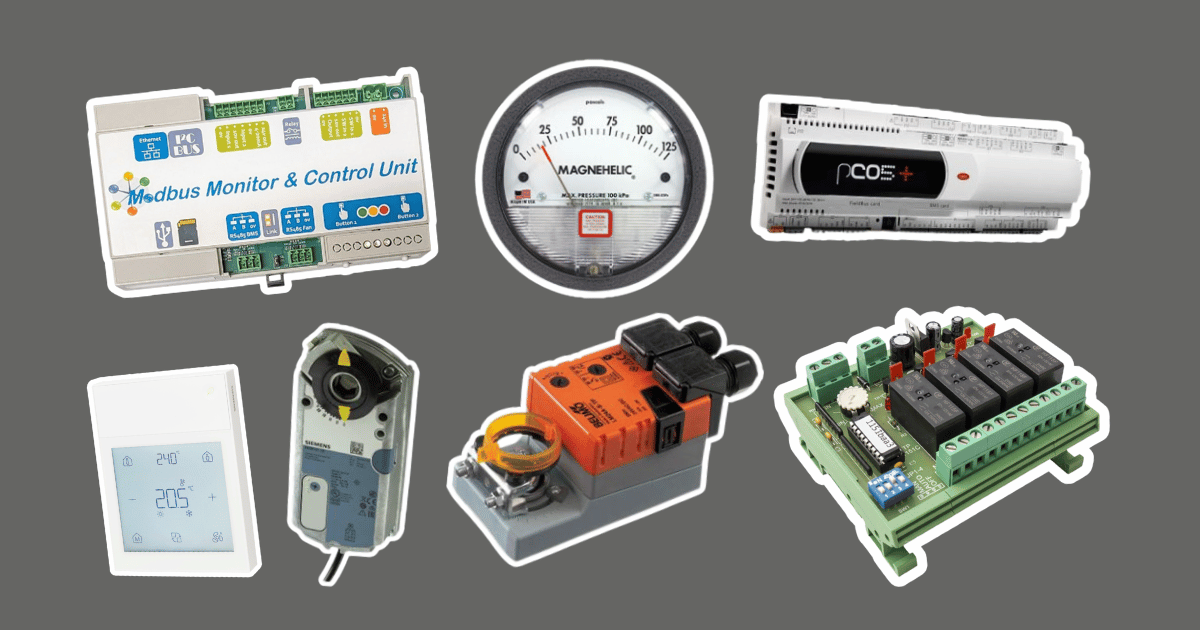 Read more »
If you work in building services, facilities management, or HVAC installation, understanding controls is not optional — it is the difference between a system that runs efficiently and one that runs up energy bills and callbacks. This guide covers everything: what HVAC controls are, how they work, the components involved, how they communicate, and how to select the right controls for your application.
-
22 Jan
 Read more »
iACS is excited to offer the range of EBM Papst connectivity modules, including the CN1127 Ethernet MMCU and CN1133 NB‑IoT MMCU, now available via our online store. These intelligent gateways empower facility managers and HVAC engineers with enhanced control, diagnostics, and remote monitoring capabilities via the EBM Papst Insights Dashboard. This blog explains their advantages, practical applications, and why they outperform competitor offerings.
Recent Posts
-
Steam Humidifier Explained: How HygroMatik Humidification Systems Work
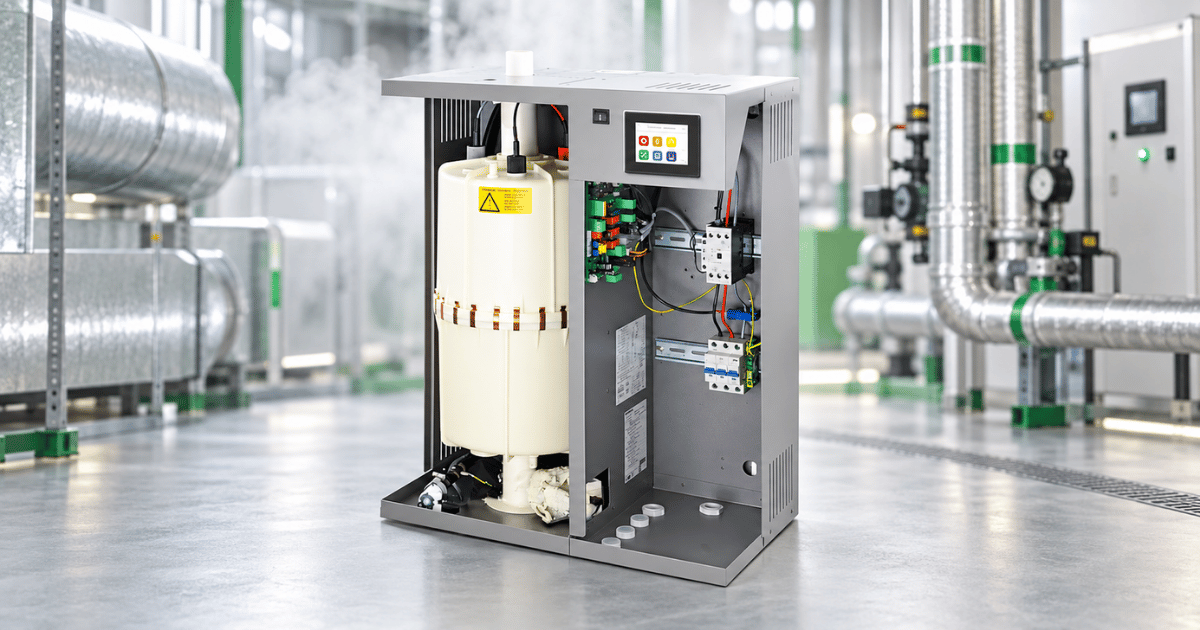 October 16, 2026
 -
Carel Controller Fault Codes Explained: A Troubleshooting Guide
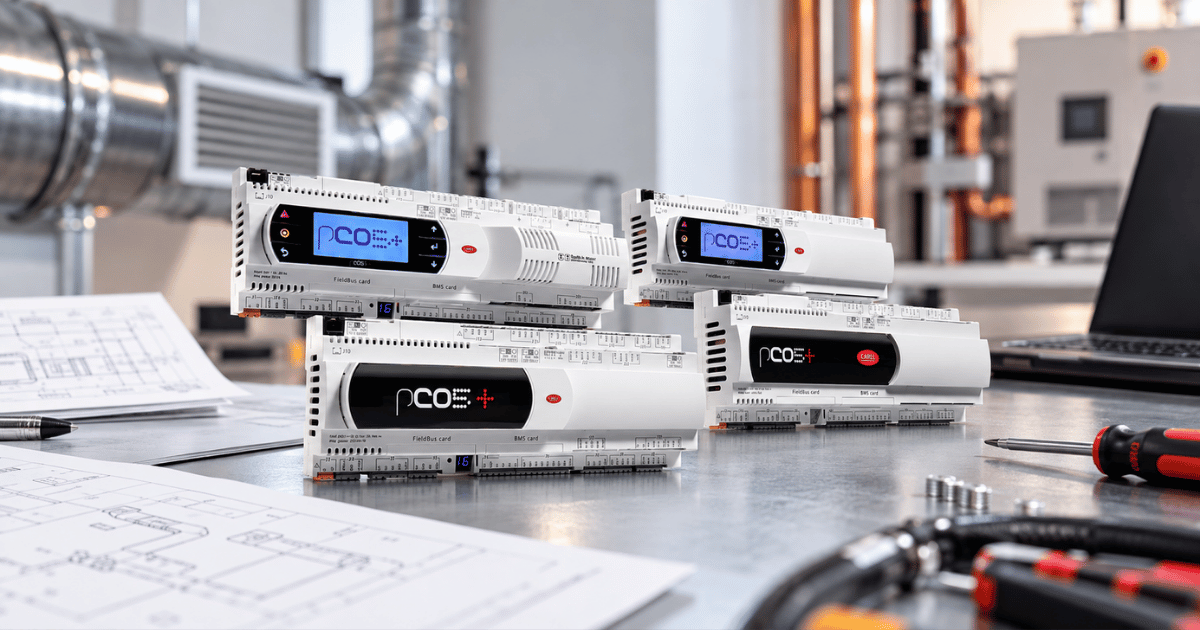 October 15, 2026
 -
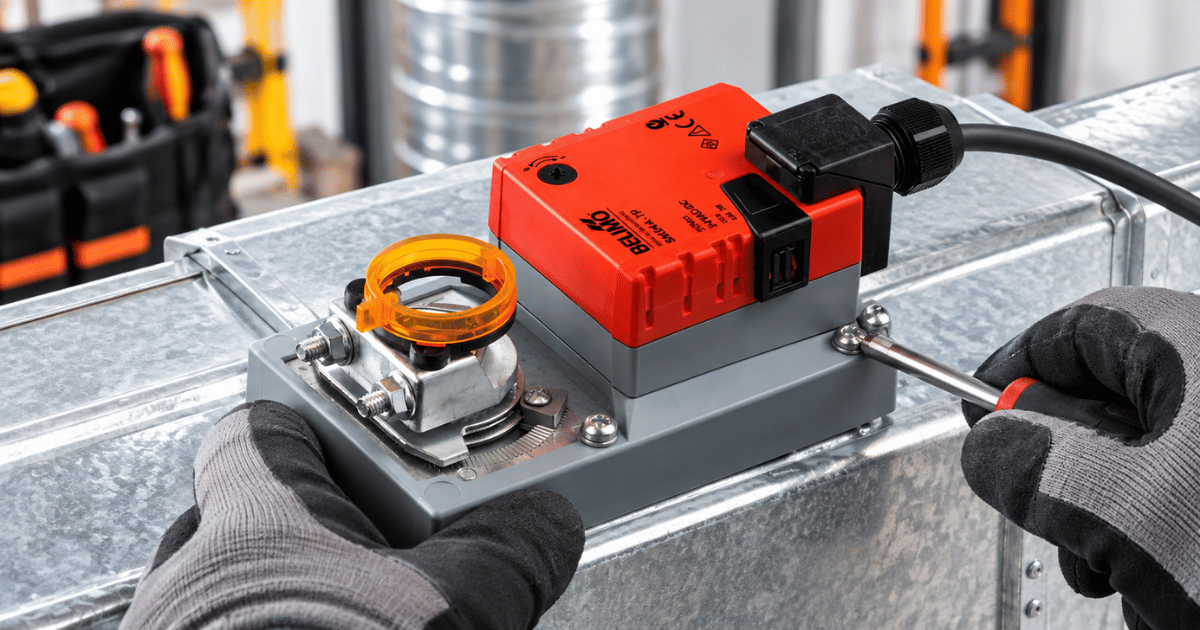
Damper Actuator Not Working? How to Diagnose and Fix Common Faults
 October 2, 2026
 -
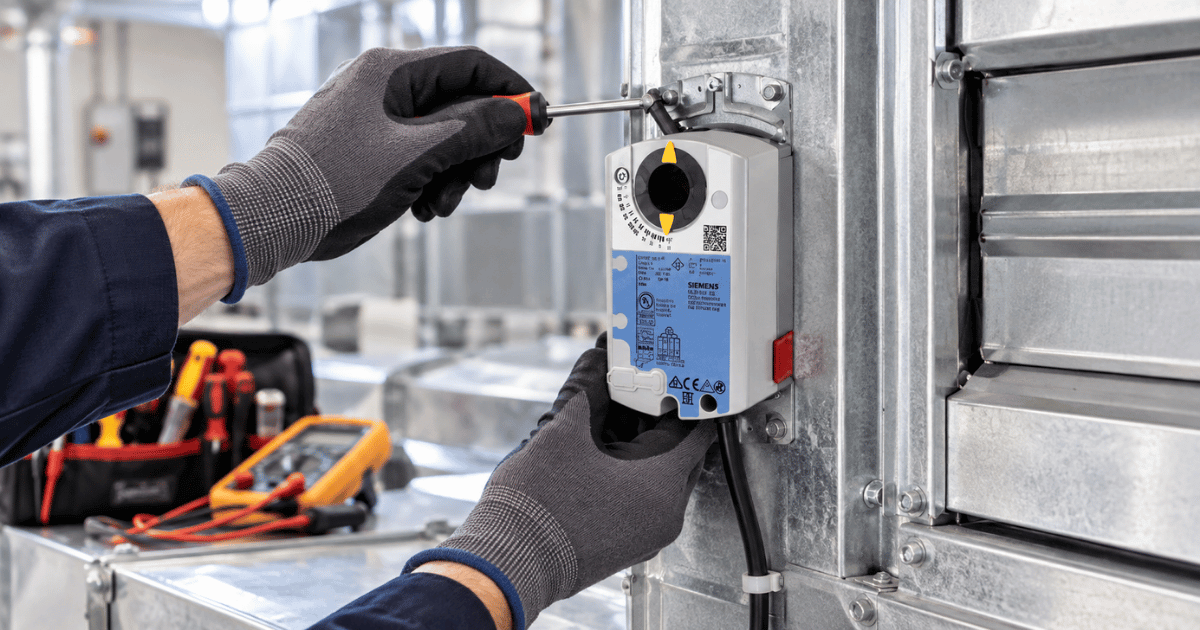
VAV Box Explained: How Variable Air Volume Systems Control Airflow
 October 1, 2026
 -
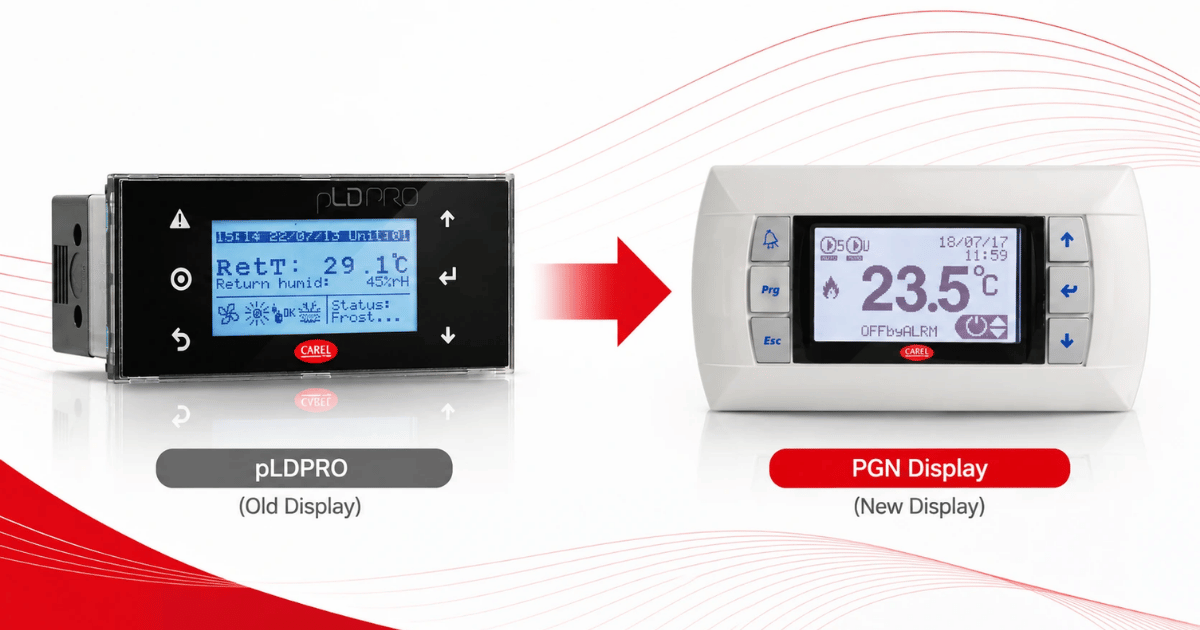
Replacing a CAREL pLDPRO Display: pGDn Options, Fit Checks and Affected Part Numbers
 September 23, 2026